
Facing a dental emergency in Fort Worth? Learn what to do before you reach us and how Flossophy Dental Studio treats urgent cases fast. Call today!
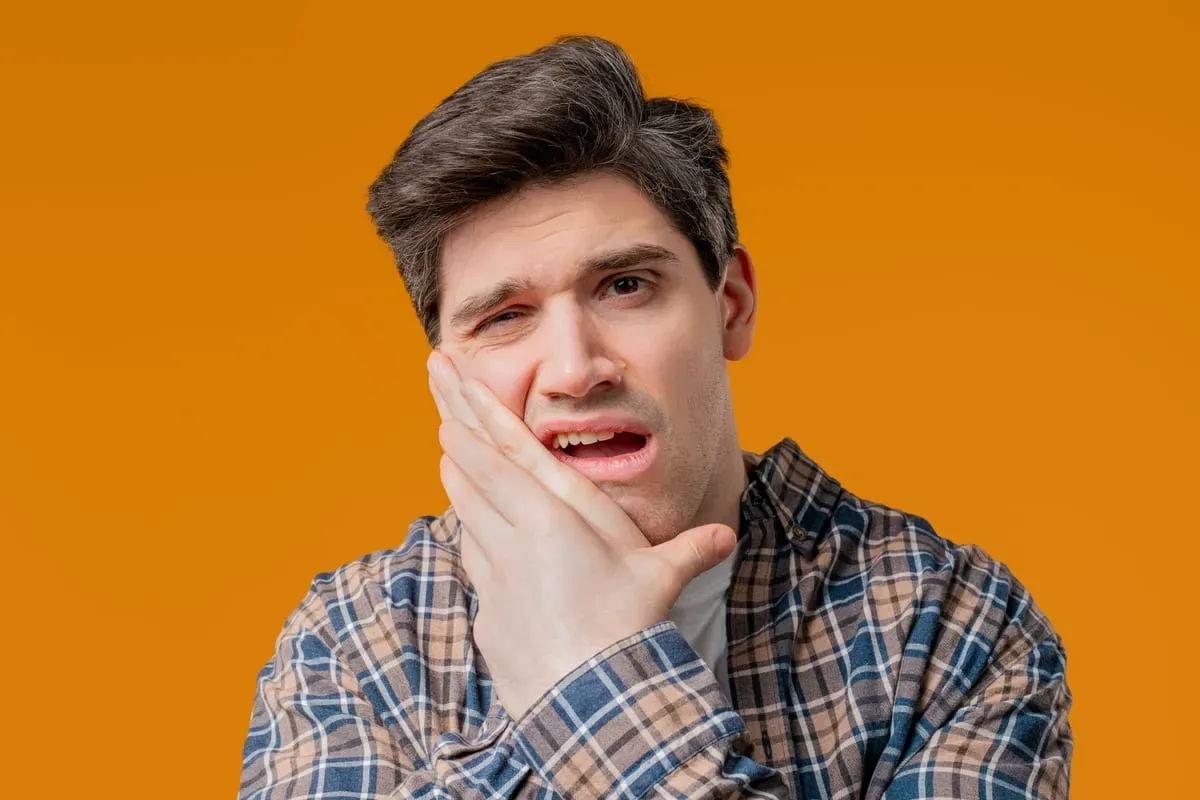
A chipped tooth at a weekend barbecue. A dull ache that turns sharp at 2 a.m. A knocked-out tooth from a bike spill in the driveway. Dental emergencies rarely wait for convenient business hours, and when one happens, the first few minutes matter more than most people realize. What you do in that window - and how quickly you get to the right care - can be the difference between saving a tooth and losing it.
At Flossophy Dental Studio, we see the full range of dental emergencies that bring patients through our doors in Fort Worth: sudden swelling, broken crowns, lost fillings, trauma from sports or falls, and toothaches that have gone from annoying to unbearable. Most of these situations feel scarier than they actually are once you know what's happening and what steps to take. The goal of this article is to walk you through exactly that, so you're never caught guessing when it counts.
We also want you to understand when a situation truly needs same-day attention versus when it can reasonably wait for a regular appointment. Knowing that difference helps you make calm, confident decisions instead of panicking or, just as problematic, brushing off a serious issue until it gets worse.
Not every dental problem requires dropping everything and rushing to a clinic. A minor chip on the edge of a tooth that doesn't cause pain, for example, can usually wait until the next business day. The real emergencies are the ones involving significant pain, bleeding that won't stop, trauma, or infection - situations where delay genuinely increases the risk of losing a tooth or the problem spreading.
A good rule of thumb: if you're dealing with uncontrolled bleeding, a tooth that's been knocked loose or completely out, visible facial swelling, or pain severe enough to interfere with sleeping and eating, treat it as urgent. Infections in particular can escalate quickly. What starts as a localized ache near one tooth can, within a day or two, turn into swelling that affects your jaw, cheek, or even your airway in rare severe cases.
On the other hand, a lost filling that isn't painful, mild sensitivity to cold, or a small cosmetic chip are worth calling about, but they rarely require a same-night visit. Part of what we do when you call Flossophy Dental Studio is help you sort out which category your situation falls into, so you're not left guessing alone.
Of all the dental emergencies we treat, a knocked-out permanent tooth is the one where time matters the most. A tooth that's been out of its socket for less than 30 minutes and handled correctly has a strong chance of being successfully re-implanted. Once you pass the one-hour mark, the odds drop considerably, which is why speed and proper handling make a real difference here.
The first instinct many people have is to clean the tooth thoroughly or scrub off any debris. Resist that urge. Scrubbing can damage the delicate root surface fibers that are essential for the tooth to reattach successfully. Instead, pick the tooth up by the crown (the chewing surface), never the root, and rinse it gently with water if it's visibly dirty.
A toothache that keeps you up at night or throbs with your pulse is usually a sign of infection or significant nerve inflammation, often from untreated decay that has reached the inner pulp of the tooth. This is different from the mild, fleeting sensitivity you might feel from hot or cold foods. Persistent, deep, or pulsing pain is your body telling you something needs attention soon.
Facial swelling adds another layer of urgency. When an infection isn't addressed, it can spread beyond the tooth into the surrounding soft tissue, causing visible swelling in the cheek, jaw, or under the chin. If swelling is accompanied by fever, difficulty swallowing, or trouble breathing, that's a sign to seek emergency medical care immediately, not just a dental visit - these symptoms can indicate the infection has become more serious.
While waiting to be seen, over-the-counter pain relievers like ibuprofen can help manage discomfort, and a cold compress against the outside of the cheek can reduce swelling. Avoid placing aspirin directly against the gum tissue, which is a common myth that can actually burn and damage the gums rather than relieve pain. We'll want to see you as soon as possible to diagnose the source and start treatment, whether that means a root canal, drainage of an abscess, or antibiotics to get the infection under control.
Cracks and fractures don't always announce themselves with pain. Sometimes you'll feel a sharp jolt while chewing and then nothing at all, which can be deceiving. A crack that extends below the gumline or into the root, however, can worsen over time even if it feels fine for a while, so it's worth having any suspected crack evaluated rather than waiting to see if it bothers you later.
A lost filling or crown exposes the inner structure of the tooth, which can be sensitive to temperature and air and more vulnerable to new decay or infection. If a crown comes off intact, keep it in a safe container and bring it with you. We can often re-cement the original crown if it's undamaged, which saves you the time and cost of fabricating a new one.
In the meantime, over-the-counter dental cement from a pharmacy can offer temporary protection for an exposed tooth or a loose crown, and chewing on the opposite side of your mouth reduces further damage. These are stopgap measures though, not substitutes for being seen. Left unprotected, an exposed tooth can develop new decay or a deeper crack surprisingly fast.
A small, inexpensive kit kept in your bathroom cabinet or car can make a real difference when something happens unexpectedly, especially with active kids or weekend sports in the mix. Most of the items are things you likely already have around the house, and assembling them ahead of time means you're not scrambling to find supplies during a stressful moment.
Keep a small container with a tight lid (for storing a knocked-out tooth in milk), clean gauze pads, a travel-size bottle of saline solution, over-the-counter pain relievers, and temporary dental cement from the pharmacy. A cold pack or something you can quickly chill, like a bag of frozen peas, is useful for managing swelling on the way to our office. Having our phone number saved somewhere easy to find, rather than searching for it mid-crisis, is one of the simplest things you can do to save precious minutes.
One of the most common questions we hear is simply: what happens when I call? We understand that dental pain or trauma rarely happens at a convenient time, so our process is built to get you real answers quickly rather than leaving you on hold or waiting for a callback the next day.
When you reach out, we'll ask a few quick questions about what happened, how severe the pain or bleeding is, and whether there's any swelling or trauma involved. Based on that, we'll either walk you through immediate at-home steps, schedule you for the earliest available same-day slot, or, in rare cases involving medical risk, advise you to go to an emergency room first. Our team at Flossophy Dental Studio prioritizes same-day emergency visits because we know that waiting even a day or two can turn a manageable problem into a much more complicated one.
Once you're in the chair, we focus first on stabilizing pain and addressing whatever is causing the emergency, whether that's draining an abscess, stabilizing a loose tooth, or placing a temporary restoration. From there, we talk through what longer-term treatment looks like so you're never left wondering what comes next.
Key Takeaways
If you're experiencing significant pain, uncontrolled bleeding, visible swelling, or any kind of dental trauma such as a knocked-out or badly loosened tooth, you should seek care the same day. Minor chips, mild sensitivity, or a painless lost filling can usually wait for a regularly scheduled visit, though you shouldn't put it off too long.
No. Baby teeth are generally not reinserted because doing so can damage the developing permanent tooth underneath. Still, call us right away so we can check for any injury to the gum, jaw, or surrounding teeth and make sure everything is healing properly.
Follow basic first-aid steps: control bleeding with gentle pressure, manage pain with over-the-counter medication, and protect any exposed tooth structure with temporary dental cement if available. Keep trying to reach us, and if symptoms involve fever, facial swelling that's spreading, or difficulty breathing or swallowing, go to an emergency room immediately.
Not necessarily. Many emergencies are resolved with a temporary restoration, drainage of an abscess, or stabilization of a loose tooth, with more extensive treatment planned for a follow-up visit once the immediate issue is under control. We'll always walk you through the options and the reasoning behind each recommendation.
Most dental insurance plans cover emergency exams and a portion of urgent treatment, though coverage specifics vary by plan and provider. Our team can help verify your benefits and explain any out-of-pocket costs before treatment begins, so you're not caught off guard.
Dental emergencies tend to catch people off guard, which is exactly why having a basic understanding of what to do, and knowing who to call, matters so much. A few calm, correct actions in the first minutes after an injury or the onset of severe pain can genuinely change the outcome, whether that means saving a natural tooth or avoiding a more complicated, costly treatment down the road.
Flossophy Dental Studio treats dental emergencies with the urgency they deserve, prioritizing same-day visits and clear communication from the moment you call. If you're ever dealing with a dental injury, sudden pain, or anything that feels off and worrying, don't wait it out. Reach out to us, tell us what's going on, and let us help you figure out the right next step.