
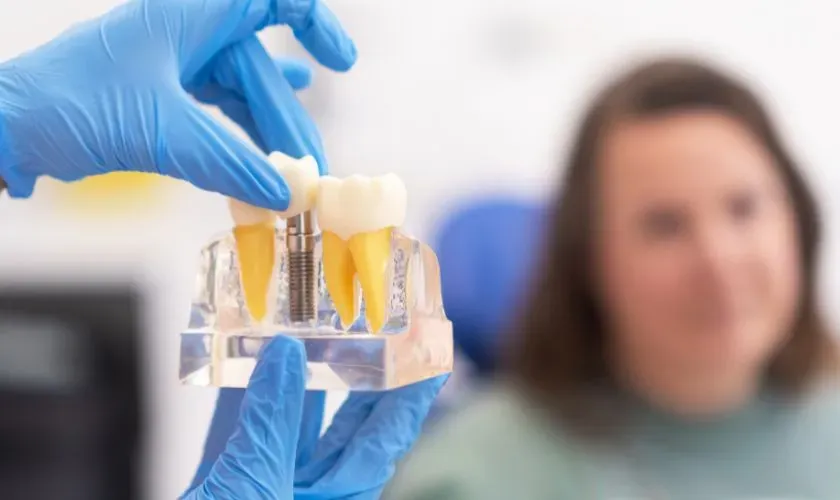
Dental implants have revolutionized the way we restore missing teeth. With their natural appearance and long-term durability, implants are now one of the most popular options for tooth replacement. But as with any surgical procedure, the journey to a healthy, functional smile involves a healing process. Understanding the stages of recovery can help set expectations and support a smooth, successful outcome.
Here’s a breakdown of the four key dental implant healing stages, from surgery to full integration.
Stage 1: Immediate Post-Surgical Healing (First 1–2 Weeks)
Right after your dental implant treatment, the healing process begins. During this initial stage, the focus is on reducing inflammation, preventing infection, and allowing the gum tissue to begin closing around the implant.
What to Expect:
- Swelling and mild discomfort around the implant site, which typically peaks within 48 hours and subsides within a week.
- Minor bleeding or bruising in the gums or cheeks.
- Your dentist may prescribe antibiotics and pain medication to aid recovery.
- A soft diet is recommended to avoid disturbing the implant site.
Care Tips:
- Apply an ice pack on the cheek near the implant site to reduce swelling.
- Avoid hot, spicy, or crunchy foods.
- Maintain excellent oral hygiene, but avoid brushing the surgical area directly for a few days.
Stage 2: Osseointegration (1–3 Months)
This is the most critical stage in the dental implant healing process. During osseointegration, the titanium post fuses with the jawbone, forming a stable foundation for the crown. While this process happens beneath the surface, it’s essential for the long-term success of your implant.
What’s Happening:
- New bone cells grow and attach to the implant.
- The implant becomes firmly anchored in the jaw.
What to Expect:
- You may not feel much discomfort during this stage.
- Periodic check-ups will help your dentist monitor progress with X-rays or visual exams.
Important Notes:
- Avoid smoking, as it can severely disrupt osseointegration.
- Continue following your dentist’s care recommendations and maintain a gentle, thorough oral hygiene routine.
Stage 3: Abutment Placement and Gum Healing (2–3 Weeks Post-Integration)
Once osseointegration is complete, the next step is placing the abutment, a small connector between the implant and the crown. This is a minor procedure that involves reopening the gum to expose the implant and attach the abutment.
What to Expect:
- Some soreness or gum sensitivity for a few days.
- Your gums will begin to heal and shape around the abutment, preparing for the final crown.
Care Tips:
- Stick to soft foods and avoid putting pressure on the abutment area.
- Keep the site clean to prevent infection and support proper gum contouring.
Stage 4: Crown Placement and Final Recovery (After 3–6 Months)
Once your gums have healed and the implant is fully integrated, it’s time for the final step: placing the custom-made crown. This is the visible part of the tooth that functions and looks just like a natural tooth.
What Happens:
- Your dentist will take impressions of your mouth to create a crown that matches your bite and aesthetics.
- The crown is then permanently attached to the abutment.
What to Expect:
- Instant improvement in chewing ability, speech, and appearance.
- You may feel mild sensitivity for a few days as you adjust to the new crown.
Long-Term Care:
- Brush and floss regularly, just like natural teeth.
- Attend regular dental check-ups to ensure your implant remains healthy and secure.
Maintaining Your Dental Implant: Tips for Long-Term Success
Dental implants are a durable and reliable solution for missing teeth, but like natural teeth, they require proper care to stay healthy and last a lifetime. Poor oral hygiene or neglect can lead to complications such as gum disease or implant failure. Fortunately, maintaining your dental implant is simple if you follow the right steps.
Here’s how to keep your dental implant — and your overall oral health — in top shape:
Brush Twice Daily
Use a soft-bristled toothbrush to gently clean your implant and surrounding teeth at least twice a day. Electric toothbrushes are also effective at removing plaque buildup without applying too much pressure. Make sure to clean the area around the implant thoroughly.
Floss Daily
Flossing is critical to removing plaque and food particles between the implant and adjacent teeth. Special floss, such as implant-specific floss, floss threaders, or interdental brushes, can help you clean hard-to-reach areas around the implant.
Use Antibacterial Mouthwash
Rinsing with an alcohol-free, antimicrobial mouthwash helps reduce bacteria in the mouth and lowers the risk of infection around the implant site. This is especially important in the early months post-implant and for long-term gum health.
Avoid Hard or Sticky Foods
While dental implants are strong, it's wise to avoid chewing on ice, hard candies, or sticky foods that could damage the implant crown or surrounding teeth. Be cautious with habits like nail-biting or using your teeth to open packaging.
Quit Smoking
Smoking significantly increases the risk of implant failure due to reduced blood flow to the gums and slower healing. If you're considering implants or already have one, quitting smoking is one of the best steps you can take to support long-term success.
Regular Dental Check-Ups
Visit your dentist every 6 months (or as recommended) for professional cleanings and exams. These visits allow your dentist to monitor the implant, ensure the surrounding bone and gum tissue are healthy, and address any early signs of complications.
FAQs About the Dental Implant Healing Stages
What can you not do after dental implant surgery?
After dental implant surgery, avoid smoking, drinking alcohol, vigorous rinsing, using straws, and hard or chewy foods. Also, refrain from intense physical activity to promote healing and prevent dislodging the blood clot at the surgical site.
How long after dental implants can I eat normally?
You can usually resume eating normally after 1 to 2 weeks, once the initial healing phase is complete. However, follow your dentist’s guidance, and gradually reintroduce harder foods as the implant site continues to heal and stabilize.
How long after dental implants can I drink alcohol?
Avoid alcohol for at least 72 hours after dental implant surgery. Alcohol can interfere with healing, increase bleeding risk, and interact with prescribed medications. It's best to wait a week or more for optimal recovery and implant success.
When can I eat chips after dental implant?
Chips and other hard, crunchy foods should be avoided for at least 2 to 4 weeks after surgery. Eating them too soon can damage the surgical site or disrupt healing. Reintroduce them only when your dentist confirms it’s safe.