
Charcoal toothpaste is everywhere on social media, but does it actually whiten your teeth? Here's what the ingredient does and doesn't do.
Teeth Whitening
Activated charcoal toothpaste built its reputation on social media, with influencers showing dramatic before-and-after smiles after brushing with jet-black paste. The before-and-after is real, but the explanation behind it is more complicated than the videos suggest, and it's worth understanding before you add it to your routine.
Activated charcoal works almost entirely through abrasion. The gritty texture scrubs away surface stains from coffee, tea, red wine, and tobacco, the same way any abrasive whitening toothpaste would. It isn't bleaching your enamel or changing its underlying color the way a professional whitening treatment does. The dramatic difference people see right after brushing is mostly the result of wiping away surface debris, not a chemical whitening effect.
The same abrasiveness that removes stains can also wear down enamel with repeated use, especially when brushed too hard or too often. Once enamel wears away, it does not grow back, and thinner enamel actually makes teeth look more yellow over time since the dentin underneath starts showing through. There's also the fluoride issue: most charcoal toothpastes skip it entirely, which means you lose the cavity protection that fluoride provides every time you brush.
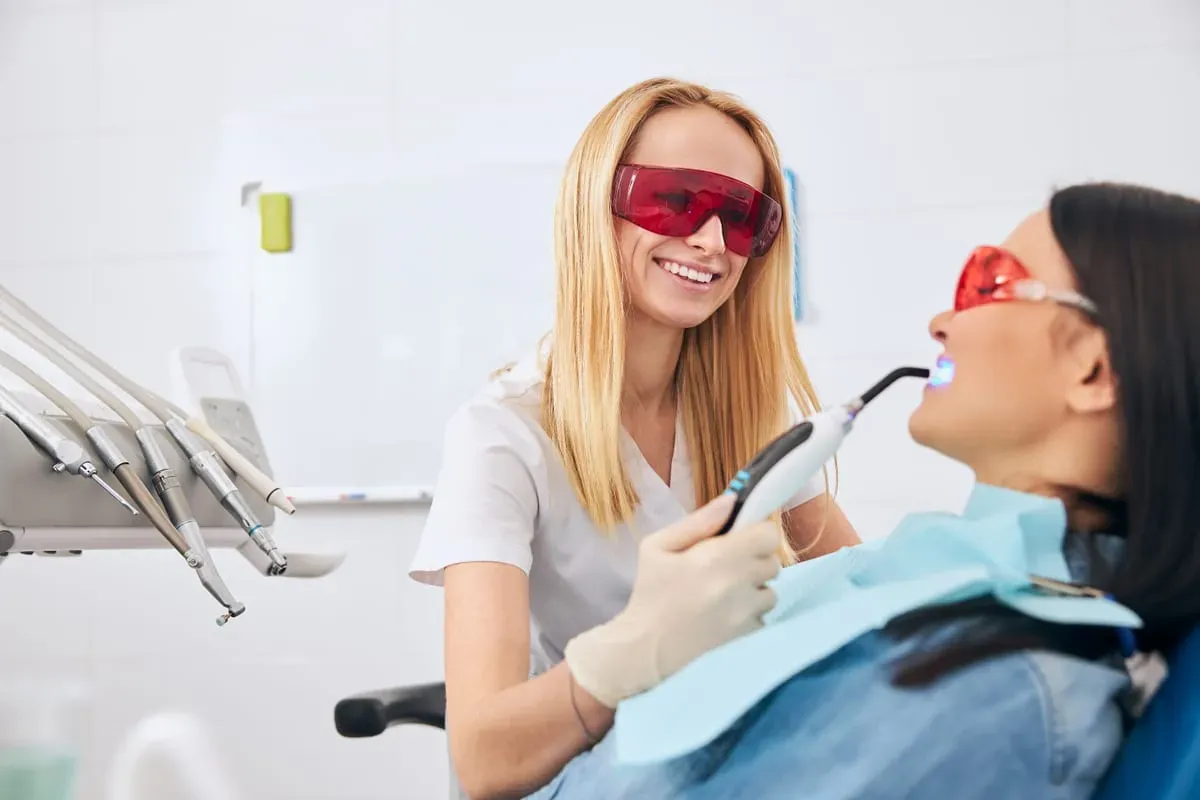
If you want noticeably whiter teeth without risking your enamel, a professional whitening treatment is the more predictable option. We can tell you upfront whether your stains are the surface type that respond well to whitening, or a deeper type that might need a different approach like veneers or bonding. That conversation saves you money and protects your enamel in the long run.
Skip the guesswork. We'll take a look and tell you honestly what will and won't work for your teeth.