$29 Emergency Exam - Walk-Ins Welcome - Same-Day Dental Appointments Available

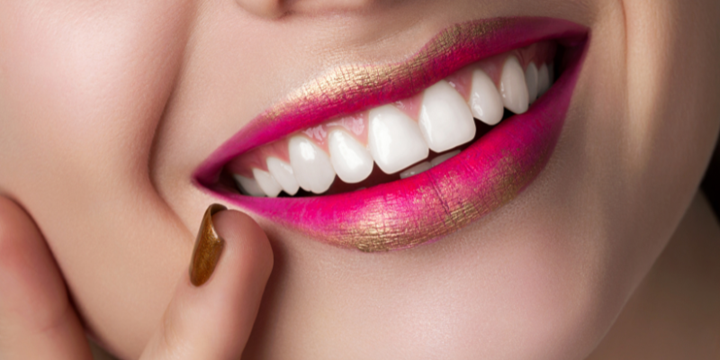
Teeth stains are a common dental concern, especially for those who routinely consume coffee, tea, wine, or sugary foods. Over time, these stains can accumulate, leading to discoloration that may affect your smile. Many people wonder whether professional teeth cleanings can actually remove these stains. The good news is, they can! However, it’s crucial to understand how teeth cleanings work and what types of stains can be removed.
What Happens During a Professional Teeth Cleaning?
A professional teeth cleaning, often called prophylaxis, is an essential part of maintaining good oral health. During this procedure, your dentist will remove plaque, tartar, and stains from your teeth using dental tools. This process involves scaling (removing hardened plaque or tartar) and polishing (to smooth your teeth’ surfaces). The removal of tartar is essential because it can only be done professionally and cannot be removed by brushing alone.
The cleaning also helps improve gum health by reducing bacteria buildup, preventing gum disease, and eliminating harmful plaque. For those with mild to moderate stains, a professional dental cleaning in Fort Worth can make a noticeable difference in your teeth’s color, leaving you with a bright, fresh smile.
Can Teeth Cleanings Remove All Types of Stains?
Teeth stains come in different forms: extrinsic stains (on the surface) and intrinsic stains (deep within the tooth structure). Here’s how professional teeth cleaning tackles both:
Extrinsic Stains (Surface Stains)
Food, drinks, or smoking cause extrinsic stains. These stains are easier to remove and can be cleaned during a routine dental visit. Common causes of surface stains include:
- Coffee
- Tea
- Red wine
- Smoking
- Berries
A good teeth cleaning can remove these surface stains, leaving your smile noticeably whiter. This is because most extrinsic stains are not deeply embedded in the tooth enamel but rather sit on the surface.
Intrinsic Stains (Deep Stains)
Intrinsic stains, on the other hand, occur when the stain penetrates the enamel and affects the tooth’s natural color. These stains are caused by aging, trauma, or certain medications, such as tetracycline. Unfortunately, a routine teeth cleaning cannot remove intrinsic stains. To address these, teeth whitening treatments or other cosmetic dental procedures may be needed. For example, professional teeth whitening can help lighten intrinsic stains and provide a more even color.
Are Regular Teeth Cleanings Enough to Prevent Stains?
While professional teeth cleanings are effective at removing surface stains, they aren’t a foolproof solution for stain prevention. Regular cleanings, however, are a vital part of an overall oral hygiene routine that helps reduce the risk of both extrinsic and intrinsic stains. Here’s why:
- Prevents plaque buildup: Plaque, a sticky film of bacteria, can harden into tartar. Tartar stains the teeth and requires professional removal.
- Promotes oral health: Good oral hygiene, including brushing, flossing, and regular cleanings, can help keep your teeth free from stains and other dental problems.
- Maintains a brighter smile: Even without professional teeth whitening, regular cleanings help keep your smile naturally glowing and healthy by preventing buildup.
How Often Should You Schedule Teeth Cleanings for Stain Removal?
Most dentists recommend scheduling a teeth cleaning every six months to maintain optimal oral health and remove any surface stains. However, if you have a higher risk of staining (due to your diet, smoking habits, or other factors), your dentist may suggest more frequent cleanings. Consistent care is essential not just for removing stains but also for preventing tooth discoloration down the line and maintaining healthy teeth and gums.
Keep Your Smile Bright with Regular Teeth Cleanings
Professional teeth cleanings are an effective way to remove surface stains and improve the overall appearance of your smile. While they won’t address deep, intrinsic stains, they play a crucial role in maintaining good oral health and preventing further discoloration. Pair regular cleanings at Flossophy Dental Studio with proper home care, such as brushing and flossing, to keep your teeth looking their best.
FAQs
1. How long do the effects of a professional teeth cleaning last?
The results can last for several months, but it depends on your lifestyle and oral hygiene habits. If you drink coffee or smoke regularly, stains may build up more quickly.
2. Will professional teeth cleaning whiten my teeth?
While teeth cleanings can help remove surface stains, they may not dramatically whiten your teeth. For more noticeable whitening, professional whitening treatments are recommended.
3. How often should I get a professional cleaning?
Most people should have a cleaning every six months, but if you are at higher risk of staining or gum disease, your dentist might suggest more frequent visits.
4. Can teeth cleaning remove nicotine stains?
Yes, nicotine stains on the tooth surface can be removed during a professional cleaning. However, deep stains may require whitening treatments.
