$29 Emergency Exam - Walk-Ins Welcome - Same-Day Dental Appointments Available


Tooth extraction may be required for various reasons, such as decay, overcrowding, or infection. Once the procedure is complete, the body takes time to recover; however, some people may develop complications. Recognizing early warning signs is critical because they can help prevent additional discomfort and possibly more serious problems later on. If you are on the mend after a tooth extraction, knowing the early warning signs of complications will help you determine when to seek further care.
In this blog, we will guide you through the most common complications that may follow a tooth extraction: how to recognize them and what to do if they occur. In that way, you can be sure that your recovery keeps on track.
Common complications following the extraction of a tooth include:
Even with careful aftercare, complications can still arise. The most common signs that something is not healing correctly include:
Severe or Prolonged Pain
While some discomfort is expected after a tooth extraction, persistent and severe pain days after the treatment may indicate a problem. This kind of pain could indicate a dry socket, an infection, or nerve damage. Dry sockets form when the blood clot over the extraction site is dislodged, exposing the bone and nerves underneath and causing sharp pain. If pain doesn’t subside with over-the-counter pain medication, it is time to pay a visit to your dentist.
Swelling and redness
Some swelling and redness are normal for the first 24 to 48 hours after an extraction. However, swelling that worsens beyond this time or redness that remains and spreads may signal infection. Infections usually bring other telltale symptoms, like fever or a bad taste in your mouth.
Excessive Bleeding
Bleeding should cease within a few hours of the extraction. If you observe any excessive or continued bleeding beyond that, it may be an indication that the blood clot has failed to form or that the extraction site hasn’t healed as expected. Applying pressure with a gauze pad can help, but if the bleeding doesn’t stop, seek medical help immediately.
Fever and Discomfort
A low-grade fever can be normal while the body heals; however, a high fever, pain, swelling, and a bad taste in the mouth can indicate infection. Infections after tooth extraction can spread to other tissues and lead to serious health problems, requiring urgent attention.
Difficulty opening your mouth
Infection or damage to the jaw muscles can make it difficult to open your mouth or give you the feeling that your jaw is locked. Although this complication is less common, prompt dental attention will be necessary to ensure proper healing.
How to Avoid Complications Following a Tooth Extraction
With proper instruction from your dentist and good care of the extraction site, complications can be avoided. Here are some helpful tips:
- Follow Post-Operative Care Instructions: Your dentist will provide crucial aftercare guidelines to ensure a seamless recovery after tooth extractions. This can include advice on the foods to eat, how to clean the area around the implant, and activities to avoid.
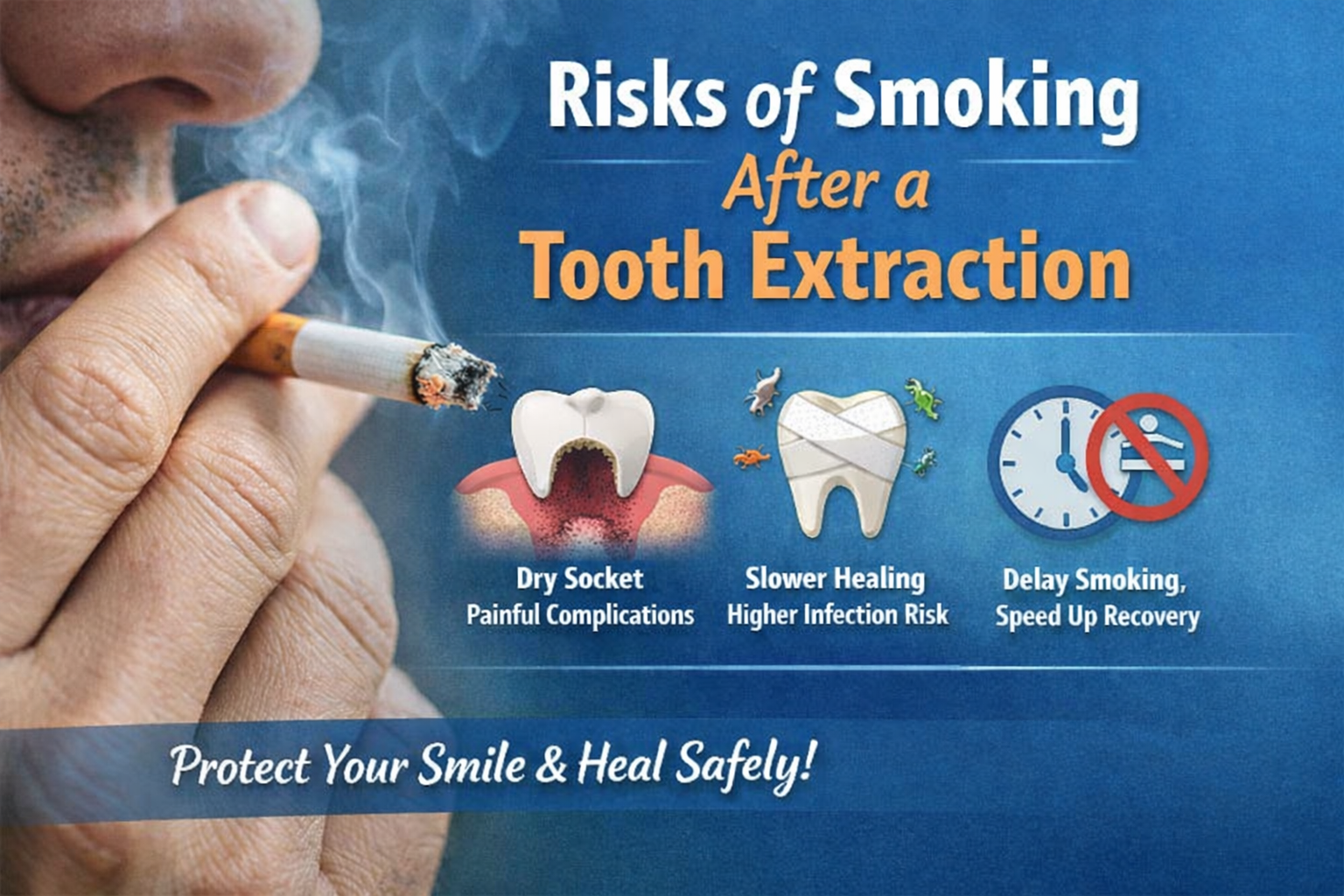
- Avoid smoking: Smoking interferes with the healing process and increases your chances of acquiring a dry socket or infection. It is best if you avoid smoking for at least 48 hours after the extraction.
- Rest and Hydrate: Adequate rest and hydration are essential to your overall healing process. When resting, keep your head elevated above your heart to reduce swelling.
- Monitor the Site: Keep a close watch on the extraction site for any changes. If you are experiencing increased pain, swelling, or any signs of infection, contact your dentist.
When to Seek Help: Signs You Need to Contact Your Dentist
If you’re experiencing any of the following, it’s time to contact your dentist:
- Severe pain that is not improving
- Infection signs (fever, redness, pus)
- Prolonged or heavy bleeding
- Difficulty breathing or swallowing
The key to preventing more serious problems is early intervention. Recovery from tooth extraction is generally straightforward; however, early recognition of complications will help you avoid further discomfort and possibly other treatments.
If you notice any other symptoms that seem abnormal, such as excessive pain, continuous bleeding, or other signs, do not hesitate to contact our dentist at Flossophy Dental Studio in Fort Worth. Regular checkups and prompt attention will ensure a smooth and uneventful recovery and lasting oral health.
FAQs:
How long does it take for a tooth extraction site to heal fully?
Typically, it takes about 1-2 weeks for the soft tissue to heal, but full recovery, including bone healing, can take several months.
Is it normal to have pain after a tooth extraction?
Yes, some discomfort is normal, especially in the first few days. However, severe pain that doesn’t improve could indicate a complication, such as a dry socket.
Can I eat normally after a tooth extraction?
It’s best to stick to soft foods for a few days after your extraction to avoid irritating the wound and to help it heal properly.
How can I reduce swelling after a tooth extraction?
Applying a cold compress to the outside of your face near the extraction site can help reduce swelling during the first 48 hours.