$29 Emergency Exam - Walk-Ins Welcome - Same-Day Dental Appointments Available

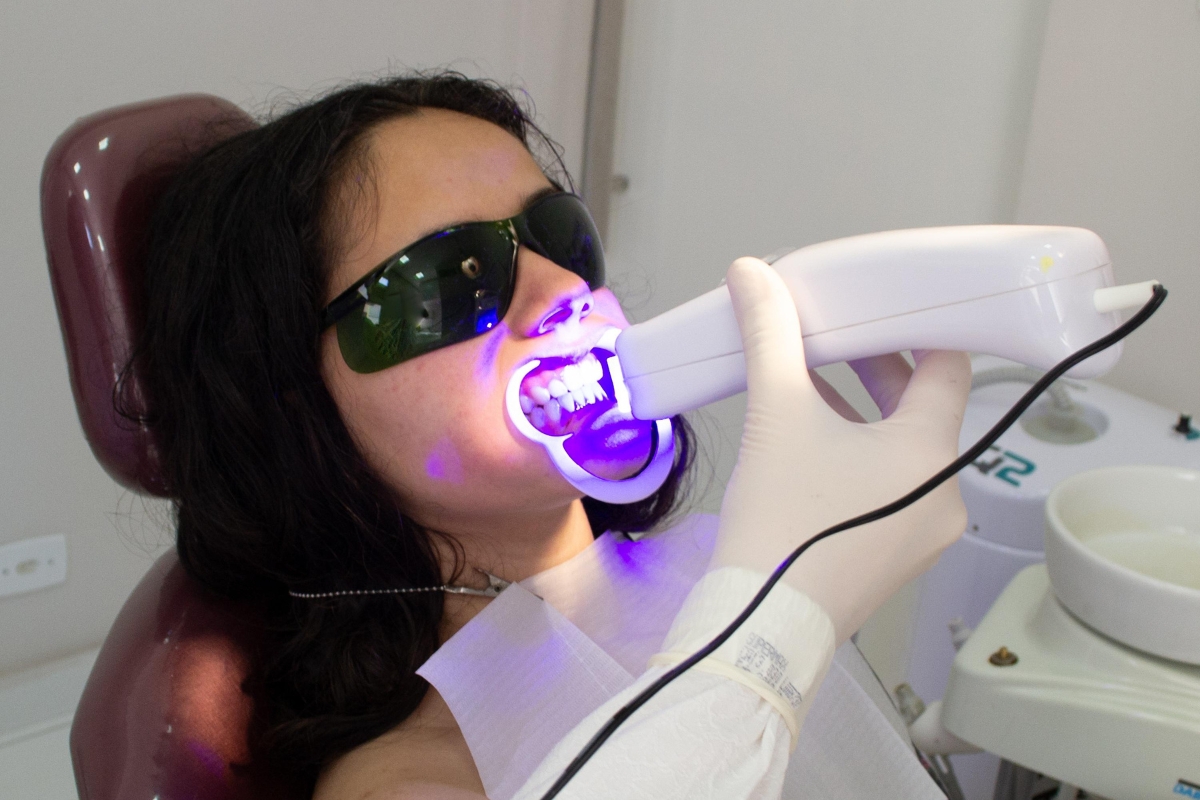
Your wedding day is one of the most special occasions of your life, and you want everything to be perfect—including your smile. Teeth whitening is a popular cosmetic treatment for couples looking to brighten their smile before saying “I do.” But what’s the best time to schedule this treatment? Timing is crucial to achieve the best results without stress. In this blog, we’ll guide you through the ideal timeline for teeth whitening before a wedding, helping you look and feel your best.
Why Timing Matters for Teeth Whitening Before an Event:
Teeth whitening is a simple yet effective way to enhance your appearance, especially for weddings and other major events. But while it may seem like a quick fix, the timing of your whitening treatment can significantly affect the outcome. It’s not just about the final result—it’s about how your teeth feel and look leading up to your big day.
Considerations for Scheduling Teeth Whitening:
When it comes to teeth whitening before an event, you want to avoid any unpleasant surprises, like sensitivity or uneven results. So, when should you book your appointment? Here’s the timeline you should follow to ensure your smile is as radiant as you feel:
1. Schedule at Least 2 Weeks Before the Wedding
You should schedule professional teeth-whitening treatments at least 2 weeks before the big day. It helps your teeth adjust to the treatment, especially if you’ve never had your teeth whitened before.
Scheduling 2 weeks before the wedding gives your teeth time to settle, reducing the chances of sensitivity or uneven whitening. If you’re planning a touch-up treatment, this timeline also leaves enough time for any adjustments.
2. Consider Your Regular Dental Routine
If you have a special event, like a wedding, coming up, you likely already take great care of your teeth. Professional whitening treatments enhance the effects of your routine. Keep in mind that some whitening methods may cause sensitivity, so consider scheduling your appointment when you’re not overly stressed or dealing with other dental issues.
3. Avoid Whitening Too Close to the Wedding
While you might want a bright smile on the day of your wedding, scheduling your teeth whitening too close to the event can lead to complications. Whitening treatments can sometimes cause temporary sensitivity or discomfort, so you should avoid them as you prepare for the big day.
Whitening treatments usually last for several months, but it’s essential to give your teeth a little recovery time before any major event. This is why booking your appointment two weeks in advance is a safe choice. It ensures you get the brightest, healthiest smile possible without last-minute touch-ups.
What Happens if You Wait Too Long for Whitening?
If you’re planning teeth whitening, don’t wait until the last minute to get started. Procrastination might result in having to compromise on the results. The closer you get to your wedding day, the fewer options you have for making adjustments. Additionally, there’s the possibility of staining from coffee, wine, or foods consumed in the weeks leading up to the wedding.
What to Expect After Whitening:
After your whitening treatment, you may experience slight tooth sensitivity. This is normal and typically subsides after a day or two. It’s essential to follow your dentist’s aftercare instructions and avoid highly pigmented foods and drinks for the first 48 hours. This precaution will help maintain your results and ensure that your teeth stay bright and healthy for your wedding day.
Teeth Whitening Options for Weddings:
There are a variety of teeth whitening options available, depending on your needs and timeline. Here are a few to consider:
1. In-Office Professional Whitening:
If you’re short on time, in-office whitening is the fastest way to achieve results. Your dentist uses professional-grade bleaching agents that deliver a dramatic effect in just one session. This method works best when you have a couple of weeks before your wedding, ensuring your smile looks perfect on your special day.
2. At-Home Whitening Kits:
If you prefer the flexibility of whitening at home, your dentist can provide custom whitening trays. These allow you to whiten your teeth gradually over a longer period. While at-home kits take longer than in-office treatments, they are still effective and safe when used as directed.
3. Touch-Ups and Maintenance:
If you’re already happy with your teeth but want to make sure your smile stays fresh for your wedding day, ask your dentist about professional touch-up treatments. These treatments can help maintain the brightness of your smile without requiring a full session.
Timing your teeth whitening treatment before your wedding is essential for achieving the best results. Whether you’re opting for in-office whitening or an at-home kit, remember to book your appointment at least 2 weeks before your wedding day. This allows your teeth to adjust, reduces the risk of sensitivity, and ensures you’re smiling confidently throughout your celebration.
At Flossophy Dental Studio, we help you achieve the smile of your dreams for your big day. Don’t leave your smile to chance—schedule your consultation today and let us help you shine on your wedding day!
FAQs
1. How long does teeth whitening last?
Teeth whitening can last anywhere from a few months to a year, depending on your habits and maintenance routine. Avoiding staining foods and beverages can extend the longevity of your results.
2. Can I whiten my teeth a week before my wedding?
It’s not ideal to whiten your teeth too close to your wedding day. We recommend scheduling at least two weeks before the big day to allow time for any adjustments.
3. Is professional whitening better than over-the-counter options?
Yes, professional whitening treatments are more effective because they use more potent, dentist-approved agents. Over-the-counter products often provide more gradual results.
4. Will teeth whitening make my teeth more sensitive?
Temporary sensitivity can occur after whitening treatments, but it usually subsides within a few days. Be sure to follow your dentist’s aftercare instructions to minimize discomfort.