$29 Emergency Exam - Walk-Ins Welcome - Same-Day Dental Appointments Available


Understanding why your dental needs change after 60 and what to do about it in Haltom City is more important than many people realize. Your mouth goes through significant shifts as you age. Medications, bone loss, and years of wear all play a role. Dr. Matthew Le at Flossophy Dental Studio of Haltom City is here to help you navigate these changes with confidence.
Aging doesn’t mean accepting poor oral health. It means adapting your care to match your body’s new needs. The right dental strategy can protect your smile for decades to come. Let’s walk through what changes after 60 and how to respond.
Dry Mouth, Medications, and What They Mean for Your Teeth in Haltom City
Many adults over 60 take multiple medications daily. A very common side effect of these medications is dry mouth. Saliva protects your teeth by neutralizing acids and washing away bacteria. Less saliva means a much higher risk of tooth decay.
Dry mouth is not just uncomfortable — it is damaging. Without enough saliva, cavities can form quickly. Root surfaces become especially vulnerable when gum tissue recedes. This is a pattern Dr. Le sees frequently in older patients at our Haltom City practice.
Here are some practical steps to manage dry mouth:
- Drink water consistently throughout the day
- Avoid caffeine, alcohol, and tobacco products
- Use a dry mouth rinse or saliva substitute
- Chew sugar-free gum to stimulate saliva production
- Ask your physician if any medications can be adjusted
Talking to your dentist about dry mouth is essential. Our team can recommend fluoride treatments to protect vulnerable teeth. We also screen for early decay at every cleaning appointment. Staying proactive makes a real difference.
Gum Recession and Root Decay After Age 60
Gum recession is extremely common in older adults. As gums pull back, the softer root surface of the tooth becomes exposed. Root surfaces do not have enamel to protect them. That makes them far more susceptible to decay than the crown of the tooth.
Root decay can progress quickly and quietly. You may not feel pain until the damage is significant. This is one reason regular dental visits matter so much after 60. Early detection saves teeth and prevents more complex treatment.
Signs of gum recession to watch for include:
- Teeth that look longer than they used to
- Sensitivity to hot, cold, or sweet foods
- A notch near the gum line on a tooth
- Bleeding when brushing or flossing
Restorative Dentistry options can address root decay before it threatens the whole tooth. Dr. Le may recommend fillings, bonding, or other protective treatments. The goal is always to save your natural tooth when possible. Acting early gives you the best outcome.
Dentures, Implants, and Tooth Replacement Options for Seniors
Tooth loss becomes more common after age 60. Years of wear, gum disease, and decay can all contribute. Losing a tooth affects more than your smile — it changes how you chew and speak. It also leads to bone loss in the jaw over time.
Today, patients have more tooth replacement options than ever before. Traditional dentures remain a practical solution for many seniors. However, dental implants offer a permanent, stable alternative for eligible patients. Implants preserve jawbone and function just like natural teeth.
Implant candidacy depends on several factors. Bone density, overall health, and gum condition all matter. Dr. Le evaluates each patient individually to find the best fit. Many seniors in Haltom City are excellent implant candidates.
If you are exploring tooth replacement, here is what to consider:
- How many teeth need to be replaced
- Your current jawbone density and gum health
- Your preference for permanent versus removable options
- How each option affects eating, speaking, and comfort
Our team will walk you through every option clearly and honestly. There is no one-size-fits-all answer for seniors. We take time to understand your lifestyle and goals. Then we build a plan that works for you.
Keeping Your Smile Bright and Healthy After 60 in Haltom City
Cosmetic concerns do not disappear after 60. Many older adults notice increased yellowing or staining over the years. Coffee, tea, wine, and certain medications contribute to discoloration. The good news is that whitening treatments are safe and effective for older adults.
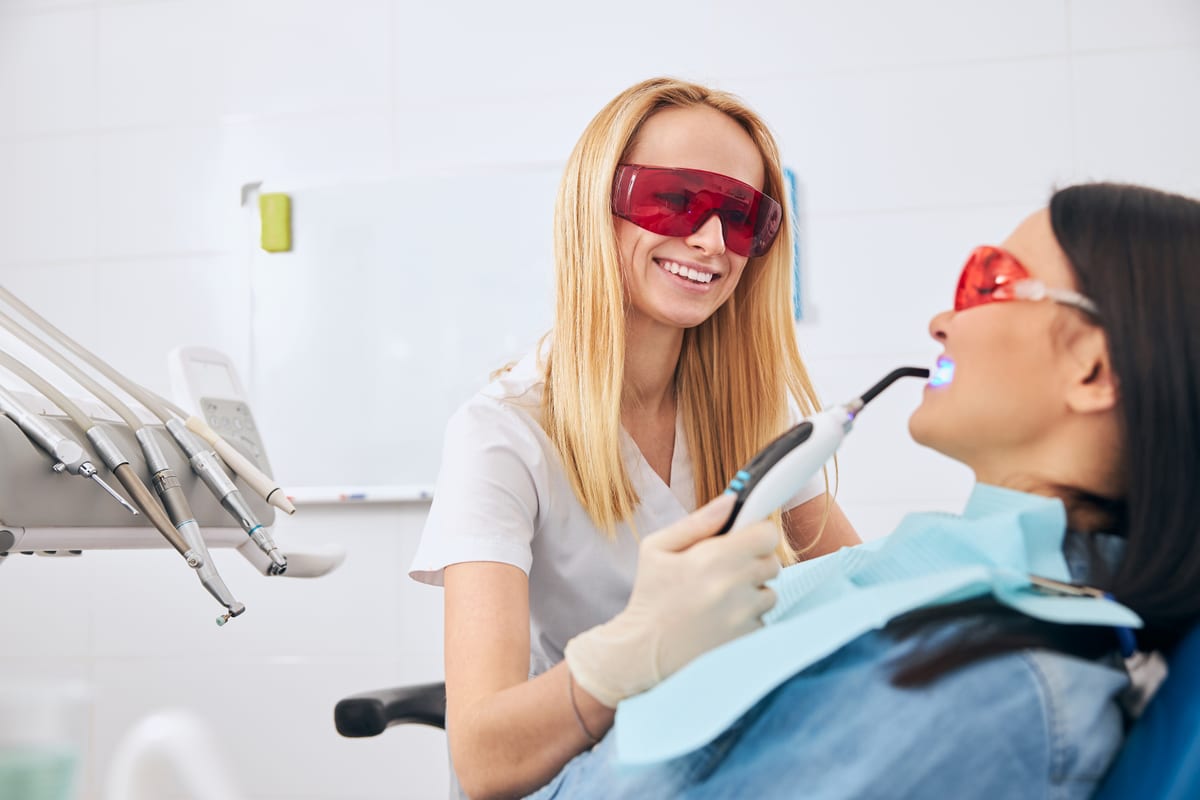
Teeth Whitening can dramatically improve the appearance of your smile at any age. Dr. Le recommends professional whitening over store-bought products. Professional treatments are stronger and supervised for safety. They also account for any sensitivity that may come with age.
Beyond aesthetics, routine care is the foundation of senior dental health. Cleanings every six months remove buildup that brushing cannot reach. X-rays help detect hidden decay and bone changes. Consistent visits allow Dr. Le to catch problems before they become serious.
Good home care habits also evolve with age. Electric toothbrushes are easier to use for those with arthritis or reduced dexterity. Floss picks and water flossers can replace traditional string floss. Small adjustments in your routine can have a major impact on your oral health.
What to Expect at a Senior Dental Visit at Flossophy Dental Studio
Visiting the dentist after 60 should feel comfortable and unhurried. At Flossophy Dental Studio of Haltom City, we take extra time with our senior patients. We want to understand your full health picture, including any medications you take. That information directly shapes your dental care plan.
A typical senior visit includes a thorough exam of teeth, gums, and soft tissues. We screen for oral cancer, which becomes more common with age. We also check existing restorations like crowns and fillings for wear. Everything is documented so we can track changes over time.
Our team communicates in plain language — no confusing jargon. We explain what we find and what your options are. You always make the final decision about your care. We are here to inform and support, never to pressure.
Frequently Asked Questions
Why do teeth become more sensitive as I get older?
Sensitivity often increases after 60 due to gum recession and enamel wear. When gums pull back, the root surface becomes exposed. Root surfaces lack enamel and react strongly to temperature and pressure. A dentist can recommend desensitizing toothpaste or protective treatments to reduce discomfort.
How often should seniors visit the dentist?
Most dental professionals recommend visits every six months for seniors. However, patients with gum disease, dry mouth, or multiple restorations may benefit from more frequent visits. Dr. Le will tailor your recall schedule based on your specific oral health needs.
Can I get dental implants if I have bone loss in my jaw?
Bone loss does not automatically disqualify you from implants. In some cases, a bone grafting procedure can build up enough density for implant placement. Dr. Le evaluates each patient’s bone structure individually. A consultation will reveal whether implants or an alternative solution is right for you.
Is teeth whitening safe for older adults?
Yes, professional teeth whitening is safe for most older adults. Dr. Le will assess your teeth and gums before recommending treatment. Patients with significant sensitivity or exposed roots may need a modified approach. Professional supervision ensures the process is both effective and comfortable.
What can I do at home to protect my teeth after 60?
Use a soft-bristled or electric toothbrush twice daily. Floss or use a water flosser every day to clean between teeth. Stay hydrated to combat dry mouth, and limit sugary or acidic foods. Regular dental visits are the most important step you can take to protect your smile long-term.
Aging is a natural process, but declining oral health does not have to be. With the right care and the right dental team, your smile can stay strong and healthy well into your later years. Dr. Matthew Le and the team at Flossophy Dental Studio of Haltom City are ready to support you every step of the way. Book Now to schedule your appointment with our team.