$29 Emergency Exam - Walk-Ins Welcome - Same-Day Dental Appointments Available

If you’ve ever wondered whether your dental restorations will last 10 years or 30 in Haltom City, you’re asking exactly the right question. The answer depends on several factors that are largely within your control. At Flossophy Dental Studio of Haltom City, Dr. Matthew Le helps patients understand what shapes restoration longevity. Knowing what to expect empowers you to protect your smile for decades.
How Long Do Common Dental Restorations Last in Haltom City?
Different restorations come with very different lifespans. Understanding the baseline helps you set realistic expectations from day one. Here is a general breakdown of what most patients experience with proper care.
- Dental crowns: 10–30 years depending on material and placement
- Tooth-colored composite fillings: 5–10 years on average
- Porcelain veneers: 10–20 years with good maintenance
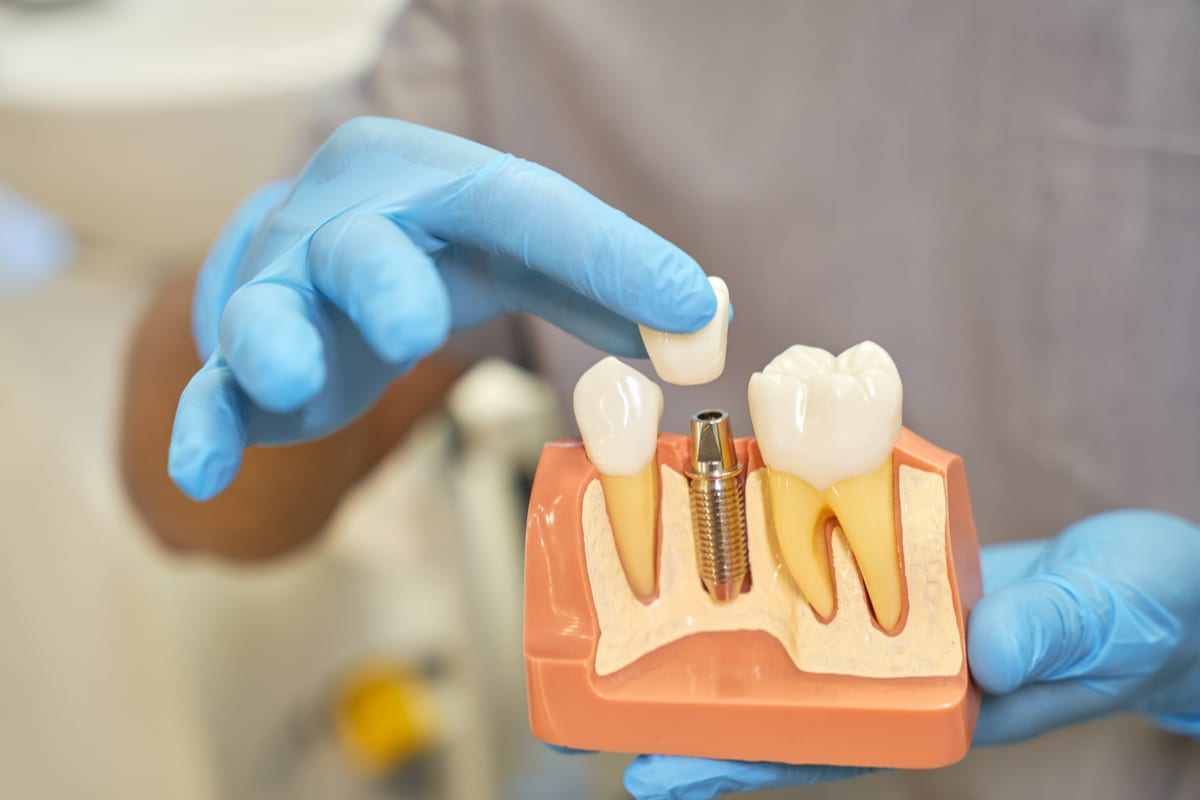
- Dental implants: 20–35+ years, often a lifetime with proper care
- Dental bridges: 10–15 years on average
- Dentures: 5–10 years before significant adjustment or replacement is needed
These ranges are not random. They reflect real-world outcomes based on material science, placement technique, and patient habits. The wide range for crowns, for example, shows just how much patient behavior matters. Dr. Le at Flossophy Dental Studio always discusses realistic timelines during consultations.
What Shortens the Lifespan of Your Dental Restorations?
Several everyday habits quietly chip away at restoration longevity. Some causes are obvious, while others surprise patients. Being aware of these risks helps you avoid premature replacement costs.
Bruxism, or teeth grinding, is one of the top offenders. It places excessive pressure on crowns, veneers, and fillings. Many Haltom City patients grind at night without realizing it. A custom nightguard from Dr. Le can significantly reduce this damage.
Diet choices also play a major role. Chewing ice, biting hard candy, or eating sticky foods weakens restorations over time. Acidic beverages like soda and citrus juice erode the bonding material around fillings. Even moderate consumption of these items adds up over years.
- Teeth grinding or clenching (bruxism)
- Chewing ice, hard candy, or non-food items
- Poor oral hygiene leading to decay beneath restorations
- Skipping regular dental checkups
- Tobacco use, which degrades bonding materials
- Consuming highly acidic foods and drinks frequently
Neglecting oral hygiene is another silent killer of restorations. Decay can develop beneath a crown or around a filling’s edge. When that happens, the restoration must be removed and replaced entirely. Consistent brushing and flossing protects both your natural teeth and your dental work.
What Extends the Life of Dental Restorations in Haltom City?
The good news is that the same habits that benefit your natural teeth also protect your restorations. You do not need a complicated routine. You need a consistent one.
Brushing twice daily with a soft-bristled toothbrush removes plaque before it hardens. Flossing once daily clears the margins around restorations where bacteria love to gather. Using a non-abrasive fluoride toothpaste helps strengthen enamel surrounding your dental work. These three steps alone make a measurable difference in longevity.
Staying on schedule with professional cleanings is equally important. Every six-month visit allows Dr. Le to spot early warning signs before they become costly problems. Early intervention saves both your restoration and your budget. Patients in Haltom City who stay consistent with checkups consistently see longer-lasting results.
Protective gear matters too. If you play contact sports, a custom mouthguard from Flossophy Dental Studio shields your restorations from impact. If you grind at night, a nightguard prevents wear. These small investments dramatically extend the life of your dental work.
The Role of Professional Maintenance in Restoration Longevity
Professional care is not just about cleanings. It involves ongoing monitoring of existing restorations during every visit. Dr. Matthew Le checks for micro-cracks, margin breakdown, and bite alignment at each appointment. Catching a small issue early prevents a full replacement later.
Some restorations also benefit from periodic polishing or resealing. Composite fillings, for instance, can have their surfaces smoothed to resist staining and bacterial adhesion. Porcelain restorations may need bite adjustments as your jaw naturally shifts over the years. These minor tune-ups add significant time to a restoration’s useful life.
Cosmetic restorations like Teeth Whitening treatments pair best with a healthy foundation. If your restorations are in good condition, cosmetic upgrades are more predictable and longer lasting. Prioritizing the health of your restorations first creates the best possible canvas for cosmetic work.
When a restoration does fail, acting quickly prevents further damage. A loose crown, for example, exposes the prepared tooth underneath to bacteria and temperature changes. Waiting too long can turn a simple re-cementation into a need for a Root Canal or extraction. Prompt care protects your investment.
Making the Most of Your Restorations at Every Stage
Whether your restoration is brand new or already a decade old, you can take steps today to extend its remaining lifespan. Start by evaluating your daily habits honestly. Are you grinding? Skipping flossing? Drinking acidic beverages daily? Identifying even one area for improvement pays off over time.
Talk openly with Dr. Le during your next visit. He can assess the current condition of your restorations and recommend targeted maintenance strategies. Personalized guidance is far more effective than generic advice. Every patient’s situation in Haltom City is unique.
Understanding that restorations are an investment changes how you care for them. A well-maintained crown placed at 40 could still be serving you at 65 or beyond. That longevity comes from daily habits, regular professional care, and prompt attention when something feels off. The difference between 10 years and 30 years is largely up to you.
Conclusion
Whether your dental restorations last 10 years or 30 in Haltom City often comes down to the care you give them every single day. Good habits, smart diet choices, protective gear, and regular visits to Flossophy Dental Studio of Haltom City all tip the scales toward the longer end. Dr. Matthew Le and our team are here to help you maximize every restoration’s lifespan. Book Now to schedule your appointment with our team.
Frequently Asked Questions
How do I know if my dental restoration needs to be replaced?
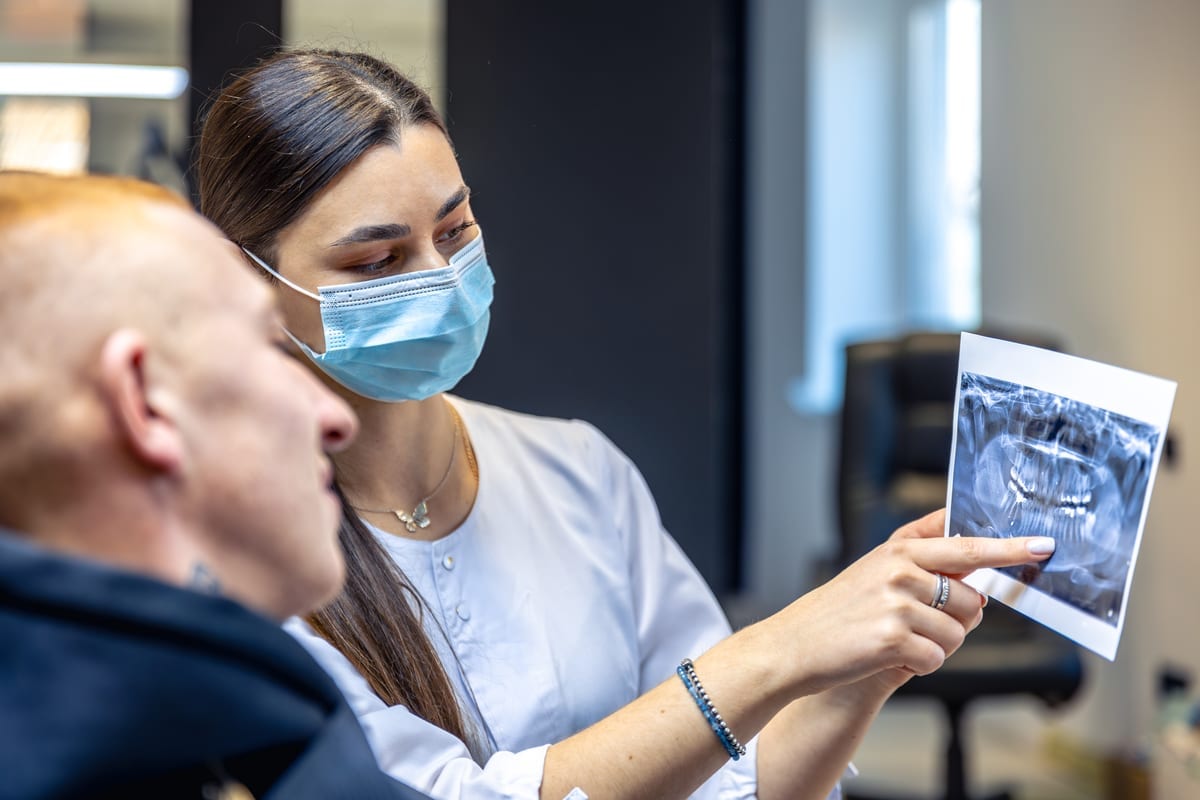
Common signs include sensitivity around the restoration, visible cracks, a loose or shifting fit, or discomfort when biting. Sometimes X-rays reveal decay beneath a crown or filling before you notice any symptoms. Dr. Matthew Le checks all existing restorations at every routine visit to catch these issues early.
Does the material of a restoration affect how long it lasts?
Yes, material choice significantly impacts longevity. Zirconia and porcelain-fused-to-metal crowns tend to outlast composite restorations. Dental implants made with titanium often last decades or even a lifetime with proper care. Dr. Le discusses material options and their expected lifespans before recommending any restoration.
Can I make a failing restoration last longer with extra care?
If a restoration is showing early signs of wear, improving your oral hygiene routine and avoiding damaging habits can slow further deterioration. However, a restoration that has structurally failed needs professional attention right away. Delaying care typically leads to more extensive and costly treatment.
How often should I visit the dentist to maintain my restorations?
Most patients benefit from professional cleanings and checkups every six months. If you have multiple restorations or a history of dental issues, Dr. Le may recommend more frequent monitoring. Consistent checkups allow for early detection of any changes to your existing dental work.
Does teeth grinding really shorten restoration lifespan that much?
Bruxism is one of the most damaging habits for dental restorations. It can crack veneers, fracture crowns, and wear down fillings much faster than normal use. A custom nightguard from Flossophy Dental Studio of Haltom City is a cost-effective way to protect your investment while you sleep.