$29 Emergency Exam - Walk-Ins Welcome - Same-Day Dental Appointments Available

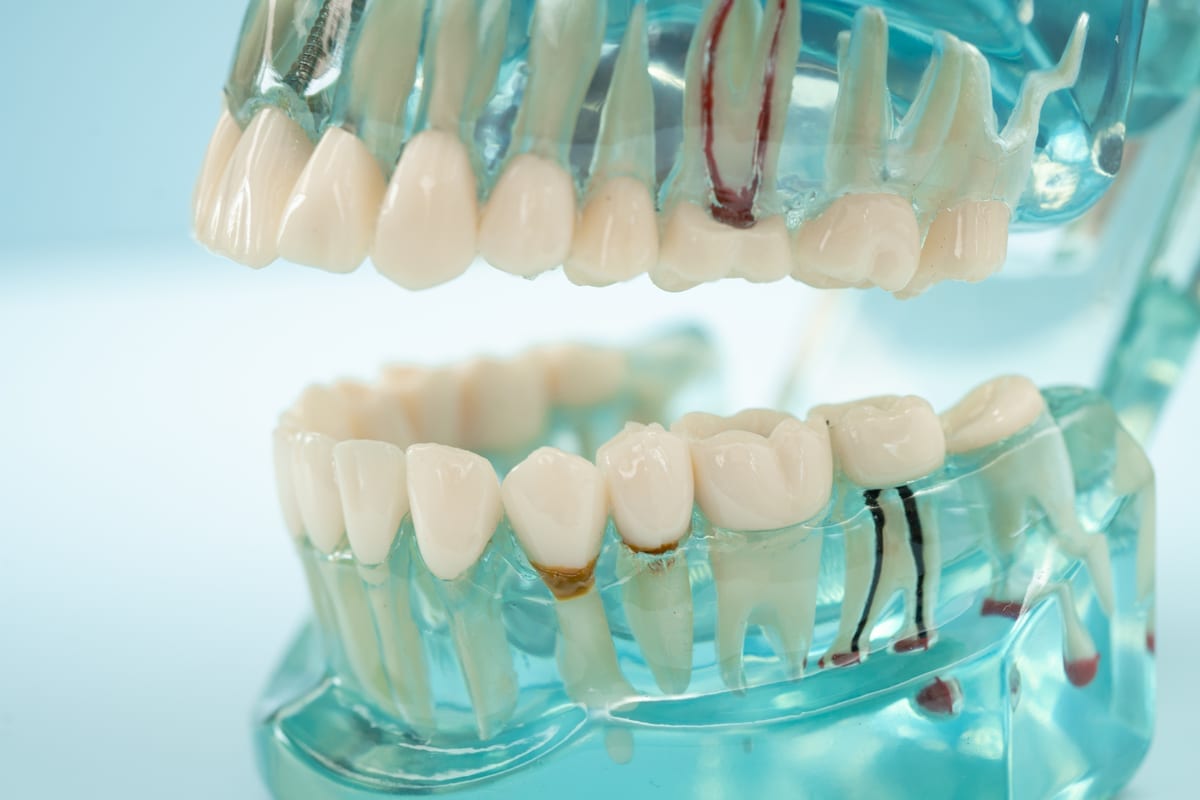
Facing a painful, damaged tooth is stressful enough. Then your dentist mentions two very different options: root canal treatment or extraction. For patients in Saginaw asking about root canal vs. extraction and which choice saves your tooth and money, the answer depends on several key factors. Understanding both procedures helps you make a confident, informed decision.
At Flossophy Dental Studio, Dr. Matthew Le helps patients weigh these options every day. This guide breaks down the real differences between the two treatments. We cover costs, recovery, long-term health effects, and when each option truly makes sense.
What Is a Root Canal and When Is It Recommended?
A root canal removes infected or damaged tissue from inside the tooth. The dentist cleans the inner canals, fills them with a safe material, and seals the tooth. A crown is then placed on top to restore full function.
Root canal treatment is the preferred option when the tooth structure remains intact. If the root and surrounding bone are healthy, saving the tooth is almost always the better choice. This procedure has a high success rate and can last a lifetime with proper care.
Common reasons a root canal is recommended include:
- Deep decay reaching the tooth pulp
- Severe toothache or sensitivity to temperature
- Darkening or discoloration of the tooth
- A cracked tooth with nerve involvement
- An abscess or swelling near the tooth
Many patients fear root canals more than necessary. Modern techniques make the procedure comfortable and far less painful than the reputation suggests.
What Happens When a Tooth Is Extracted Instead?
A tooth extraction removes the entire tooth from the socket. It is typically faster than a root canal and often costs less upfront. However, extraction is rarely the end of the story.
Once a tooth is gone, the surrounding bone begins to shrink. Neighboring teeth may shift into the gap over time. This shifting can affect your bite, your jaw alignment, and even your appearance. Replacing a missing tooth usually requires additional treatment like a dental implant, bridge, or partial denture.
Extraction makes the most sense in specific situations:
- The tooth is too severely damaged to restore
- Advanced gum disease has destroyed supporting bone
- A cracked tooth extends below the gum line
- Overcrowding requires removal before orthodontic treatment
- The tooth is impacted and causing complications
Outside these situations, extracting a restorable tooth often creates bigger problems down the road.
Root Canal vs. Extraction: Comparing Costs in Saginaw
Cost is often the first concern patients raise. A root canal plus a crown typically costs more upfront than a simple extraction. However, comparing only the initial price misses the full financial picture.
After an extraction, most patients need a tooth replacement. A dental implant is the gold standard and involves surgery, an implant post, and a crown. That total cost often exceeds the price of a root canal and crown combined. Bridges and partial dentures also add ongoing maintenance expenses over the years.
When you consider the full treatment path, saving a natural tooth almost always costs less in the long run. Root canal treatment preserves your original tooth. That means no replacement, no implant surgery, and no additional procedures. For Saginaw patients weighing root canal vs. extraction and which choice saves your tooth and money, the math often favors keeping the tooth.
If you are experiencing sudden dental pain or trauma, our Emergency Dentistry services are available to help you address the problem quickly before it worsens.
Long-Term Health Impact: Why Keeping Your Natural Tooth Matters
Your natural teeth are irreplaceable assets. They support jaw bone density, maintain your bite, and allow you to eat and speak comfortably. Losing a tooth — even one at the back of the mouth — can have ripple effects across your entire smile.
Bone loss after extraction is a real and serious concern. Without the tooth root stimulating the jaw bone, that area begins to deteriorate. Over time, this can change the shape of your face and make future implant placement more difficult or expensive.
Root canal treatment eliminates infection while preserving your natural tooth and root. The treated tooth continues to stimulate the bone. You keep your full bite function and protect the long-term health of your surrounding teeth. Studies consistently show that a successfully treated tooth can last just as long as a healthy natural one.
If aesthetics are also a concern after treatment, our team offers Cosmetic Dentistry options to help restore the appearance of your smile.
Recovery: What to Expect After Each Procedure
Recovery time is another important factor when choosing between these two options. Both procedures involve some soreness afterward, but the experience differs.
After a root canal, most patients return to normal activities within one to two days. Mild soreness around the treated tooth is common for a few days. Over-the-counter pain relievers usually manage discomfort effectively. Once the crown is placed, the tooth feels and functions like any other.
Extraction recovery depends on the complexity of the removal. Simple extractions heal relatively quickly, often within a week. Surgical extractions involving impacted teeth take longer. Patients must avoid hard foods, smoking, and straws to protect the healing socket and prevent dry socket — a painful complication.
If a replacement tooth is planned after extraction, additional healing time and procedures add weeks or months to the full recovery timeline. A root canal, by contrast, is a single treatment path with a predictable endpoint.
Conclusion: Make the Right Choice for Your Smile
Choosing between a root canal and an extraction is rarely a decision you should make under pressure. Understanding the full picture — cost, recovery, and long-term health — almost always points toward saving the natural tooth when possible. Dr. Matthew Le and the team at Flossophy Dental Studio are here to guide Saginaw patients through this decision with clarity and compassion. Book Now to schedule your appointment with our team.
Frequently Asked Questions
Is a root canal more painful than an extraction?
Most patients report that a root canal feels similar to getting a filling. Modern anesthesia and techniques make both procedures very manageable. Root canals have an unfair reputation for pain that does not reflect today’s dental experience.
How much does a root canal cost compared to extraction in Saginaw?
A root canal with a crown typically costs more upfront than a simple extraction. However, extraction often requires tooth replacement later, which can exceed the total cost of a root canal. The full financial comparison usually favors saving the tooth.
Can every damaged tooth be saved with a root canal?
Not every tooth is a candidate for root canal treatment. Teeth that are severely fractured below the gum line or have suffered major bone loss may need to be extracted. Dr. Matthew Le will evaluate your specific situation and recommend the most appropriate treatment.
What happens if I leave a damaged tooth untreated?
An untreated infected tooth can spread bacteria to surrounding teeth, the jaw bone, and even the bloodstream. Delaying treatment typically makes the situation more complex and more expensive to resolve. Prompt care is always the safer choice.
How long does a root canal-treated tooth last?
With proper care and a well-fitted crown, a root canal-treated tooth can last a lifetime. Good oral hygiene, regular cleanings, and routine checkups help protect the treated tooth for many years. The success rate for root canal treatment is very high.