$29 Emergency Exam - Walk-Ins Welcome - Same-Day Dental Appointments Available

Teeth whitening sensitivity is one of the most common concerns patients in Keller bring to our office. Understanding teeth whitening sensitivity — why it happens and how to prevent it — helps you feel confident before treatment. Many people avoid whitening altogether because they fear pain. The good news is that with the right approach, sensitivity is very manageable.
At Flossophy Dental Studio, Dr. Matthew Le takes a patient-first approach to every whitening treatment. We want you to leave with a brighter smile and zero regrets. This guide walks you through the science behind sensitivity and practical steps to prevent it.
Why Does Teeth Whitening Cause Sensitivity in Keller Patients?
Whitening products use hydrogen peroxide or carbamide peroxide as their active ingredient. These compounds penetrate the outer enamel layer to break up deep stains. During this process, the peroxide can also reach the inner dentin layer. Dentin contains tiny fluid-filled tubes that connect directly to your nerve.
When peroxide reaches those tubes, fluid movement triggers a nerve response. That response is what you feel as sharp, temporary sensitivity. It is not damage — it is simply your tooth’s natural reaction. Most patients describe it as a brief, shooting sensation.
Several factors can increase your risk of sensitivity. These include:
- Naturally thin enamel
- Existing tooth sensitivity before whitening
- Gum recession that exposes root surfaces
- Using too high a concentration of peroxide
- Leaving whitening gel on longer than recommended
- Cracked teeth or untreated cavities
Understanding your personal risk factors helps Dr. Le customize a safer whitening plan for you.
How Dr. Le Minimizes Sensitivity During Professional Whitening
Professional whitening at Flossophy Dental Studio is very different from store-bought kits. Dr. Le begins with a thorough exam before any whitening treatment. This step identifies cavities, gum issues, or enamel concerns that could worsen sensitivity. Treating those problems first makes whitening safer and more comfortable.
During in-office treatment, a protective barrier shields your gums from the whitening gel. This barrier reduces irritation significantly. Dr. Le also selects peroxide concentrations matched to your enamel strength. He does not apply a one-size-fits-all approach.
Professional whitening also uses desensitizing agents containing potassium nitrate or fluoride. These agents calm the nerve before and after gel application. Many patients are surprised by how comfortable the in-office experience actually feels. The controlled environment simply cannot be replicated at home.
Here is what you can expect during a professional whitening visit:
- A pre-treatment exam and shade assessment
- Gum protection barrier placement
- Application of professional-grade whitening gel
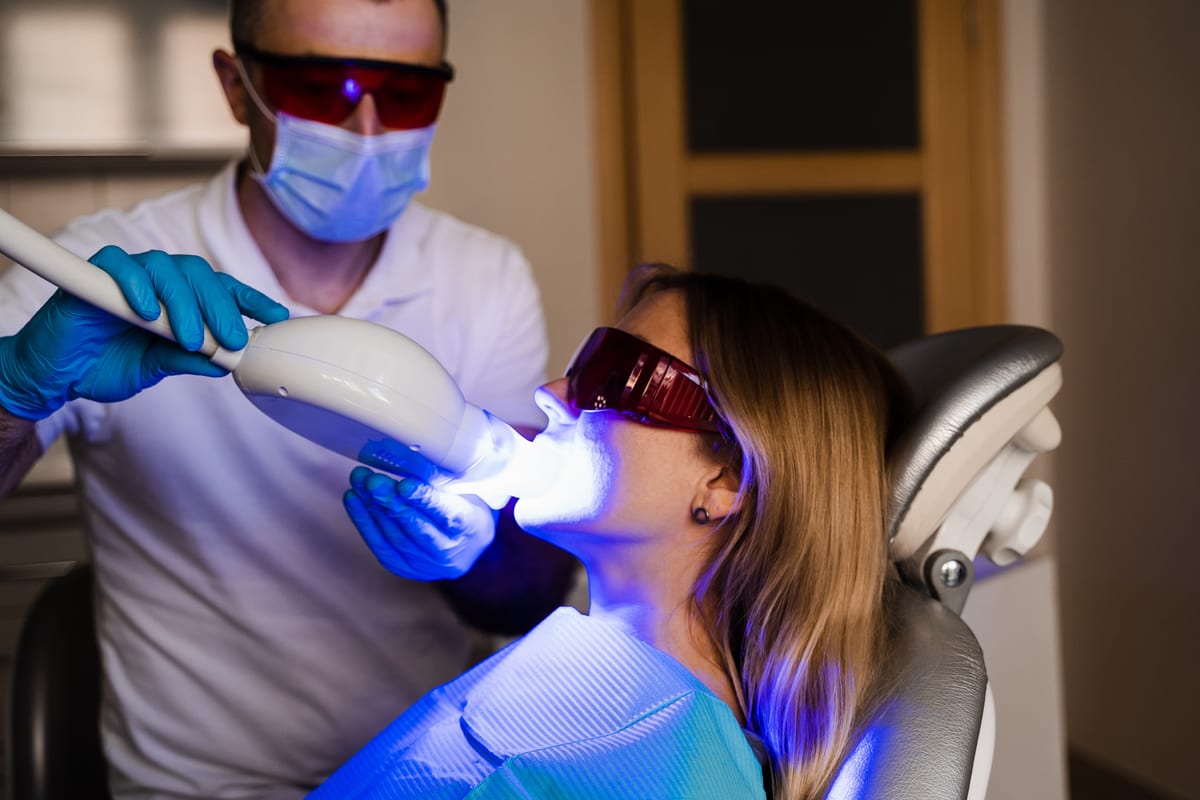
- One or more timed light-activation cycles
- Post-treatment desensitizing treatment
- At-home care instructions tailored to your needs
What You Can Do at Home to Prevent Whitening Sensitivity
Your habits before and after whitening make a real difference. Starting a desensitizing toothpaste two weeks before treatment is one of the most effective steps. Look for toothpastes containing potassium nitrate or stannous fluoride. These ingredients block the open dentinal tubules and reduce nerve response.
Avoid very hot or cold foods and drinks for at least 48 hours after whitening. Your enamel is temporarily more porous right after treatment. Acidic foods like citrus and vinegar-based dressings can also aggravate sensitivity during this window. Give your teeth a short recovery period before returning to these items.
Using a soft-bristled toothbrush is also helpful. Hard brushing can wear enamel over time and worsen sensitivity. Gentle, circular motions protect your enamel while keeping your teeth clean. Small habits like this add up to noticeably less discomfort.
If you ever experience sudden or severe tooth pain unrelated to whitening, contact our office right away. That type of pain can signal a different issue entirely. Our Emergency Dentistry team is available to address urgent dental concerns quickly and compassionately.
Choosing the Right Whitening Option to Reduce Sensitivity Risk
Not all whitening methods carry the same sensitivity risk. Over-the-counter strips and trays often use ill-fitting applicators. Poor fit allows gel to contact your gums and cause unnecessary irritation. They also lack the custom concentration adjustments a dentist can provide.
Custom take-home trays from our office offer a middle ground for sensitive patients. Dr. Le creates trays that fit your exact tooth shape. A lower peroxide concentration used over more days produces excellent results with less sensitivity. This gradual approach is often ideal for patients with naturally thin enamel.
In-office whitening delivers faster results with more professional oversight. If sensitivity is a serious concern, the in-office setting allows Dr. Le to pause treatment at any point. He monitors your comfort throughout the entire process. That level of care simply is not available with DIY products.
Whitening is just one part of a complete smile transformation. Our Cosmetic Dentistry services include veneers, bonding, and more for patients who want comprehensive smile improvements. Every option is tailored to your goals and your comfort level.
Long-Term Tips for Keeping Your Smile Bright Without Sensitivity
Maintaining your whitening results does not require aggressive repeated treatments. Simple daily habits extend your results significantly. Rinsing your mouth with water after coffee, tea, or red wine helps prevent new stains from setting. This one step reduces how often you need to rewhiten.
Regular professional cleanings also play a key role. Surface stains removed during cleanings keep your baseline brighter. This means touch-up whitening treatments can be shorter and gentler. Less treatment time means less exposure and less sensitivity overall.
When you do need a touch-up, use the lowest effective peroxide concentration. More is not always better when it comes to whitening. A few extra days of gentle treatment beats one aggressive session that leaves your teeth aching. Patience protects both your comfort and your enamel.
Conclusion
Teeth whitening sensitivity is real, but it is also very preventable with the right guidance. Dr. Matthew Le and the team at Flossophy Dental Studio help Keller patients whiten safely and comfortably every day. From pre-treatment exams to custom-fit trays and professional desensitizing agents, every step is designed with your comfort in mind. You deserve a brighter smile without the discomfort. Book Now to schedule your appointment with our team.
Frequently Asked Questions
Is teeth whitening sensitivity permanent?
No, whitening sensitivity is almost always temporary. Most patients experience discomfort for only 24 to 72 hours after treatment. Using a desensitizing toothpaste before and after whitening helps reduce both the intensity and the duration of sensitivity.
Can I whiten my teeth if I already have sensitive teeth?
Yes, but it requires extra preparation and the right protocol. Dr. Le will assess your enamel and gum health before recommending any whitening option. Patients with existing sensitivity often do best with lower-concentration custom take-home trays used gradually over time.
How long should I wait between whitening treatments?
Most dentists recommend waiting at least three to six months between full whitening treatments. This rest period allows your enamel to remineralize and your sensitivity levels to return to baseline. Shorter touch-up sessions can be done more frequently with lower concentrations if needed.
Does professional whitening cause more sensitivity than store-bought kits?
Professional whitening is actually designed to minimize sensitivity, not increase it. Dentist-supervised treatments include protective barriers, custom-fit trays, and post-treatment desensitizing agents. Store-bought kits lack these safeguards, which often leads to more gum irritation and uneven sensitivity.
What foods should I avoid after teeth whitening to prevent sensitivity?
Avoid very hot or cold beverages, acidic foods like citrus and vinegar, and staining foods like coffee, tea, and red wine for at least 48 hours after treatment. Your enamel is more porous right after whitening, making it more reactive to temperature and acidity during this short recovery window.