$29 Emergency Exam - Walk-Ins Welcome - Same-Day Dental Appointments Available

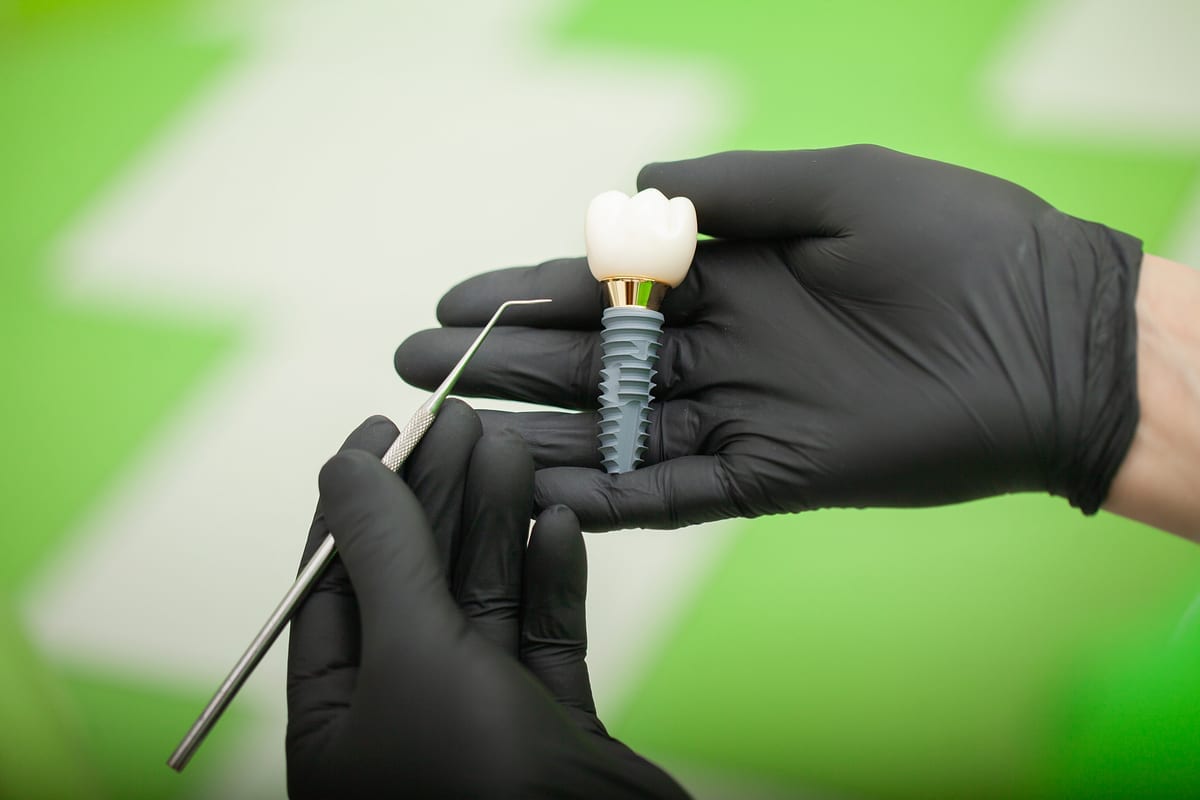
If you just had dental implants placed — or you’re preparing for the procedure — knowing what comes next makes a real difference. Understanding what to expect after your dental implant surgery: a recovery guide for Blue Mound patients is exactly what this article provides. Recovery is a process, and the right preparation helps it go smoothly. Dr. Matthew Le and the team at Flossophy Dental Studio are here to walk you through every step.
Your Dental Implant Recovery Timeline in Blue Mound
Recovery after dental implant surgery happens in stages. Most patients experience the most noticeable symptoms in the first three to five days. Swelling, mild bruising, and some discomfort are completely normal during this window. Your body is healing around the implant post, which takes time and patience.
The first week focuses on rest and protecting the surgical site. By weeks two and three, most patients feel significantly better. Full osseointegration — the process where bone fuses to the implant — can take three to six months. This longer healing phase is what makes implants so durable and long-lasting.
Here is a general breakdown of the recovery stages:
- Days 1–3: Peak swelling and discomfort; rest and ice packs recommended
- Days 4–7: Swelling begins to reduce; soft food diet continues
- Weeks 2–4: Tenderness fades; most normal activities resume
- Months 2–6: Osseointegration occurs; implant anchors firmly in the jawbone
- Month 6+: Final crown or restoration is placed if not done already
Every patient heals at a slightly different pace. Your overall health, bone density, and how well you follow aftercare instructions all play a role. Dr. Le will monitor your progress at scheduled follow-up visits right here in the Fort Worth area.
What to Eat After Dental Implant Surgery: A Recovery Guide for Blue Mound Patients
Your diet plays a huge role in how quickly you heal. Hard, crunchy, or chewy foods can disturb the surgical site and slow recovery. Sticking to soft foods in the first week is one of the most important things you can do. Think comfort food — not just bland food.
Great soft food options include:
- Scrambled eggs and yogurt
- Mashed potatoes and sweet potatoes
- Smoothies (no straws — suction pressure can disrupt healing)
- Soft fish like tilapia or salmon
- Oatmeal and soft-cooked pasta
- Applesauce and ripe bananas
Avoid extremely hot foods and beverages in the first 48 hours. Heat increases swelling and discomfort. Skip hard foods like chips, raw vegetables, and crusty bread for at least the first two weeks. As healing progresses, you can gradually reintroduce more textures based on Dr. Le’s guidance.
Staying hydrated is also essential. Drink plenty of water throughout the day. Avoid alcohol during the initial healing period, as it can interfere with healing and interact with any prescribed medications.
Managing Pain and Swelling After Your Implant Procedure
Some discomfort after dental implant surgery is expected — it is a surgical procedure, after all. The good news is that most patients report manageable pain levels with proper care. Over-the-counter pain relievers like ibuprofen are often effective when taken as directed. Dr. Le may also prescribe medication depending on your individual situation.
Swelling typically peaks around 48 hours after surgery. Apply an ice pack wrapped in a cloth to the outside of your cheek in 20-minute intervals. Do this during the first 24 hours to minimize swelling. After the first day, switch to warm compresses if needed.
Here are additional tips to manage discomfort effectively:
- Keep your head elevated when resting or sleeping
- Avoid strenuous activity for at least 48 to 72 hours
- Do not smoke — it significantly slows healing and raises complication risk
- Rinse gently with warm salt water starting 24 hours after surgery
- Take all prescribed antibiotics exactly as directed
Contact our office right away if you experience severe or worsening pain after the third day. Heavy bleeding, fever, or unusual discharge from the site should also be evaluated promptly. Our Emergency Dentistry services are available for patients in Blue Mound who need urgent care after a procedure.
Long-Term Care for Your Dental Implants
Once your implant fully heals, the maintenance is straightforward. Dental implants function just like natural teeth — and they should be cared for the same way. Brush twice daily and floss around the implant carefully every day. A water flosser can be especially helpful for cleaning around the implant base.
Schedule regular cleanings and checkups at Flossophy Dental Studio every six months. Professional cleanings remove buildup that can develop around the implant crown. Routine exams let Dr. Le catch any early signs of concern before they become serious issues. Consistency with these visits is key to long-term implant success.
Avoid habits that can damage your implant over time. Do not chew ice, bite your nails, or use your teeth as tools. If you grind your teeth at night, talk to Dr. Le about a nightguard. Protecting your investment means protecting your implant.
Dental implants can last a lifetime with proper care. Many patients enjoy their implants for 20 or more years without needing replacement. The crown portion may eventually need replacement after 10 to 15 years due to normal wear. Overall, implants remain one of the most reliable and lasting tooth replacement options available.
If you are considering enhancing your smile further after your implant heals, explore our Cosmetic Dentistry services. We offer veneers, teeth whitening, and more to complement your new smile.
When to Call Your Dentist During Implant Recovery
Most implant recoveries proceed without complications. However, knowing the warning signs helps you act quickly when something feels off. Early intervention can prevent minor issues from becoming major setbacks. Trust your instincts — if something feels wrong, reach out.
Reach out to Flossophy Dental Studio if you notice any of the following:
- Swelling that gets worse after day three instead of improving
- Persistent or severe pain that does not respond to medication
- Fever above 101°F
- Implant feels loose or shifts position
- Unusual taste or smell near the surgical site
- Difficulty breathing or swallowing (seek emergency care immediately)
These symptoms could indicate infection or implant failure if left untreated. Blue Mound patients can count on our team for prompt evaluation and care. Dr. Le takes a thorough and attentive approach to every patient’s post-surgical experience.
Conclusion: Supporting Your Recovery Every Step of the Way
Recovering from dental implant surgery does not have to feel overwhelming. With the right information, a little patience, and good professional support, most patients heal beautifully. Following your aftercare instructions closely gives your implant the best possible chance for long-term success. The team at Flossophy Dental Studio is proud to serve patients in Blue Mound and throughout the greater Fort Worth area. Book Now to schedule your appointment with our team.
Frequently Asked Questions
How long does it take to fully recover from dental implant surgery?
Most patients feel back to normal within one to two weeks after dental implant surgery. However, full osseointegration — where the implant fuses to the jawbone — takes three to six months. During this time, the implant is still stable, but complete bone integration is occurring beneath the surface. Dr. Le will monitor your healing progress at follow-up appointments.
Is dental implant surgery painful during recovery?
Some discomfort is expected after dental implant surgery, especially in the first three to five days. Most patients manage the pain well with over-the-counter medications like ibuprofen. Dr. Le may also prescribe stronger pain relief depending on the complexity of your procedure. Ice packs and rest in the first 48 hours make a significant difference in comfort levels.
What foods should I avoid after getting a dental implant?
You should avoid hard, crunchy, chewy, and sticky foods during the initial recovery period. This includes chips, raw vegetables, crusty bread, hard candies, and gum. Hot beverages and alcohol should also be avoided in the early days of healing. Soft foods like mashed potatoes, eggs, yogurt, and smoothies are highly recommended in the first one to two weeks.
Can I brush my teeth after dental implant surgery?
Yes, but you should be very gentle around the surgical site. Brush your other teeth normally, but avoid directly brushing the implant area for the first few days. Starting around 24 hours post-surgery, rinse gently with warm salt water after meals. Dr. Le will provide specific oral hygiene instructions tailored to your situation.
What makes someone a good candidate for dental implants?
Good candidates for dental implants generally have healthy gums, sufficient jawbone density, and no uncontrolled systemic conditions that impair healing. Non-smokers typically experience better outcomes than smokers. Dr. Le will evaluate your oral and overall health during a consultation to determine if implants are right for you. Many patients who are initially unsure find that they qualify after a comprehensive exam.