$29 Emergency Exam - Walk-Ins Welcome - Same-Day Dental Appointments Available

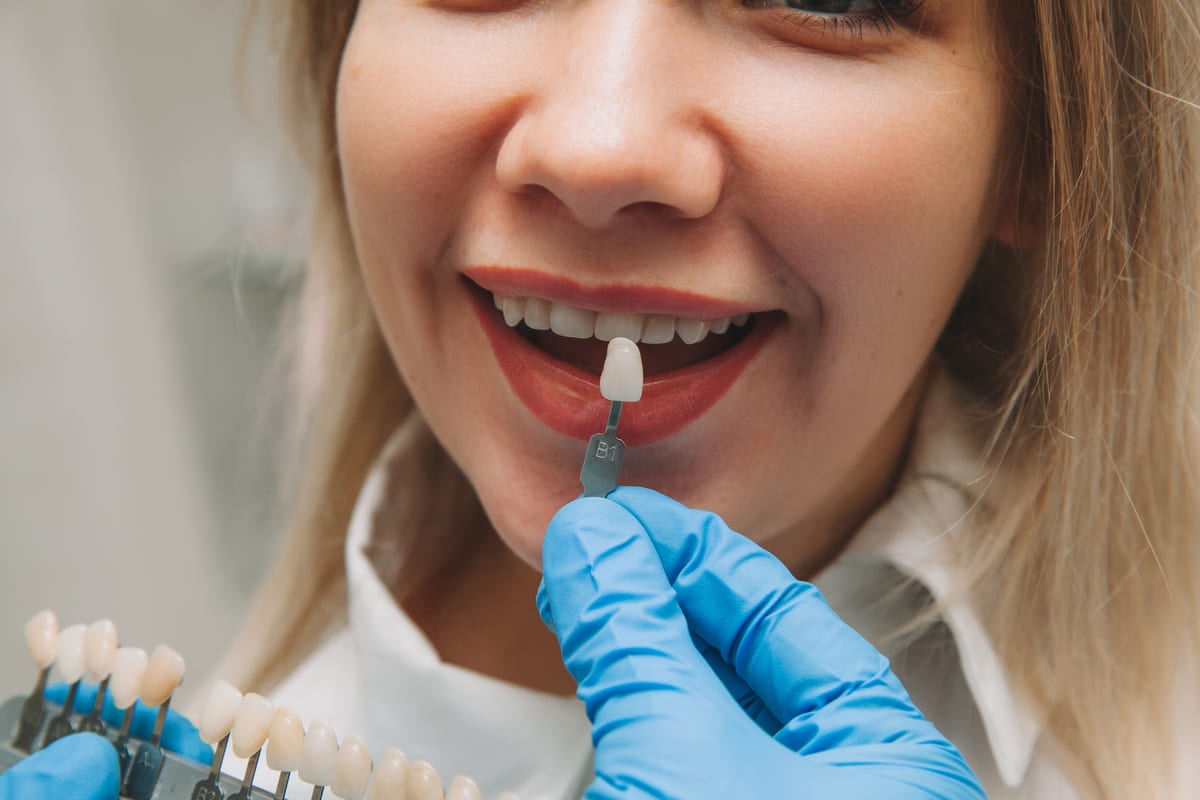
If you live in Blue Mound and want a brighter, more even smile, veneers are worth exploring. Understanding porcelain vs. composite veneers — which lasts longer and costs less in Blue Mound — helps you make a confident decision. Both options can dramatically improve your smile. But they differ in cost, durability, appearance, and the process involved.
At Flossophy Dental Studio of Haltom City, Dr. Matthew Le helps patients find the right veneer option for their goals and budget. This guide breaks down both types so you can walk into your consultation fully informed.
What Are Porcelain and Composite Veneers?
Veneers are thin shells placed over the front surface of your teeth. They cover imperfections like chips, stains, gaps, or uneven shapes. Both types serve the same general purpose — but they are made from different materials and applied in different ways.
Porcelain veneers are crafted in a dental lab from ceramic material. They require two or more appointments to complete. Your dentist removes a thin layer of enamel and takes impressions. A dental lab then custom-crafts your veneers before they are bonded to your teeth.
Composite resin veneers are applied directly to your teeth in a single visit. Your dentist sculpts and bonds tooth-colored resin layer by layer. No lab is needed, which speeds up the process considerably. Many patients appreciate the convenience and lower upfront cost.
Comparing Aesthetics and Natural Appearance
Appearance matters most to many veneer patients. Porcelain closely mimics the light-reflecting properties of natural enamel. This gives porcelain veneers a more lifelike, translucent look. Most cosmetic dentists consider porcelain the gold standard for smile aesthetics.
Composite resin has improved significantly in recent years. Skilled dentists can achieve very natural-looking results with composite. However, composite tends to look slightly less translucent than porcelain under certain lighting. For front teeth that are highly visible, porcelain often delivers a more seamless result.
Your Cosmetic Dentistry consultation at Flossophy Dental Studio will help determine which look is right for you. Dr. Le evaluates your tooth color, shape, and smile goals before recommending a material.
Durability: Which Veneer Type Lasts Longer?
Longevity is a major factor when choosing veneers. Porcelain veneers typically last 10 to 20 years with proper care. They resist staining from coffee, tea, and wine better than composite. Porcelain is harder and holds its polish over many years.
Composite veneers generally last 5 to 7 years before needing replacement or repair. They are more prone to staining and surface wear over time. However, composite is easier to repair if a chip or crack occurs. A dentist can often fix composite veneers in a single appointment without replacing the whole veneer.
- Porcelain veneers: 10–20 year lifespan on average
- Composite veneers: 5–7 year lifespan on average
- Porcelain resists stains more effectively long-term
- Composite is easier and faster to repair if damaged
- Both require good oral hygiene to maximize longevity
If you damage a porcelain veneer, the entire shell usually needs replacement. That can add cost and inconvenience down the road. Composite’s repairability is a genuine practical advantage for active patients.
Cost Comparison: Which Option Costs Less in Blue Mound?
Cost is often the deciding factor for Blue Mound patients exploring porcelain vs. composite veneers. Composite veneers cost significantly less upfront. They typically range from a few hundred dollars per tooth. Porcelain veneers can cost several times more per tooth due to lab fees and the complexity of placement.
However, the long-term math changes when you factor in replacements. Composite may need replacing twice in the same timeframe as one set of porcelain veneers. Over 15 years, composite may not save you as much as you expect. It is worth calculating the total cost over time, not just the initial price.
- Composite veneers: Lower upfront cost per tooth
- Porcelain veneers: Higher initial investment per tooth
- Composite may require more frequent replacement
- Porcelain offers better long-term value for many patients
- Your dentist can provide a personalized cost estimate at consultation
Dr. Le and the team at Flossophy Dental Studio walk every patient through their options clearly. There are no surprises — just honest information to help you decide.
The Procedure: What to Expect for Each Veneer Type
Understanding the process helps reduce dental anxiety. Composite veneers are completed in one visit. Your dentist applies resin directly to your teeth, shapes it carefully, and hardens it with a curing light. The whole process takes a couple of hours for multiple teeth.
Porcelain veneers require at least two appointments. During the first visit, your dentist removes a small amount of enamel and takes impressions. You may wear temporary veneers while the lab creates your permanent ones. At the second visit, your custom porcelain veneers are bonded permanently.
Because enamel is removed for porcelain veneers, the process is irreversible. Composite veneer placement removes little to no enamel in most cases. This makes composite a more conservative option if you are hesitant about permanent changes. Your dentist will explain the trade-offs before you commit.
If a dental concern arises during treatment, Flossophy Dental Studio also offers Emergency Dentistry services for Blue Mound patients who need prompt care.
Which Veneer Is Right for You in Blue Mound?
The right choice depends on your smile goals, budget, and lifestyle. Porcelain is ideal if you want the most natural look and maximum longevity. Composite works well if you want a fast, affordable improvement or prefer a reversible option. Neither choice is wrong — it simply depends on your priorities.
Patients who grind their teeth may need to consider this carefully. Grinding can shorten the lifespan of either veneer type. Dr. Le may recommend a night guard to protect your investment. A full evaluation ensures your treatment plan fits your unique situation.
Ready to explore your options? Book Now to schedule your appointment with our team.
Frequently Asked Questions
Are porcelain veneers always better than composite veneers?
Not necessarily. Porcelain offers superior aesthetics and longevity, but composite is more affordable and easier to repair. The best choice depends on your budget, cosmetic goals, and how long you want the results to last. Dr. Le can help you weigh both options during a consultation.
How long do composite veneers last compared to porcelain?
Composite veneers typically last 5 to 7 years, while porcelain veneers can last 10 to 20 years. Composite may stain or wear faster over time. Proper oral hygiene and regular dental visits help extend the life of either type.
Can composite veneers be repaired if they chip?
Yes. One of the biggest advantages of composite veneers is how easy they are to repair. A dentist can usually fix a chip or crack in a single visit by adding more resin and reshaping the veneer. Porcelain veneers typically require full replacement if they break.
Do veneers require special care after placement?
Veneers do not require unusual maintenance, but good habits help them last. Brush and floss daily, avoid biting hard objects, and attend regular dental cleanings. Patients with porcelain veneers should also avoid foods and habits that can cause chipping.
How do I know which veneer type is right for my smile?
A cosmetic dental consultation is the best starting point. Dr. Matthew Le will assess your teeth, discuss your aesthetic goals, and review your budget. From there, you will receive a personalized recommendation based on your specific situation in Blue Mound.