$29 Emergency Exam - Walk-Ins Welcome - Same-Day Dental Appointments Available

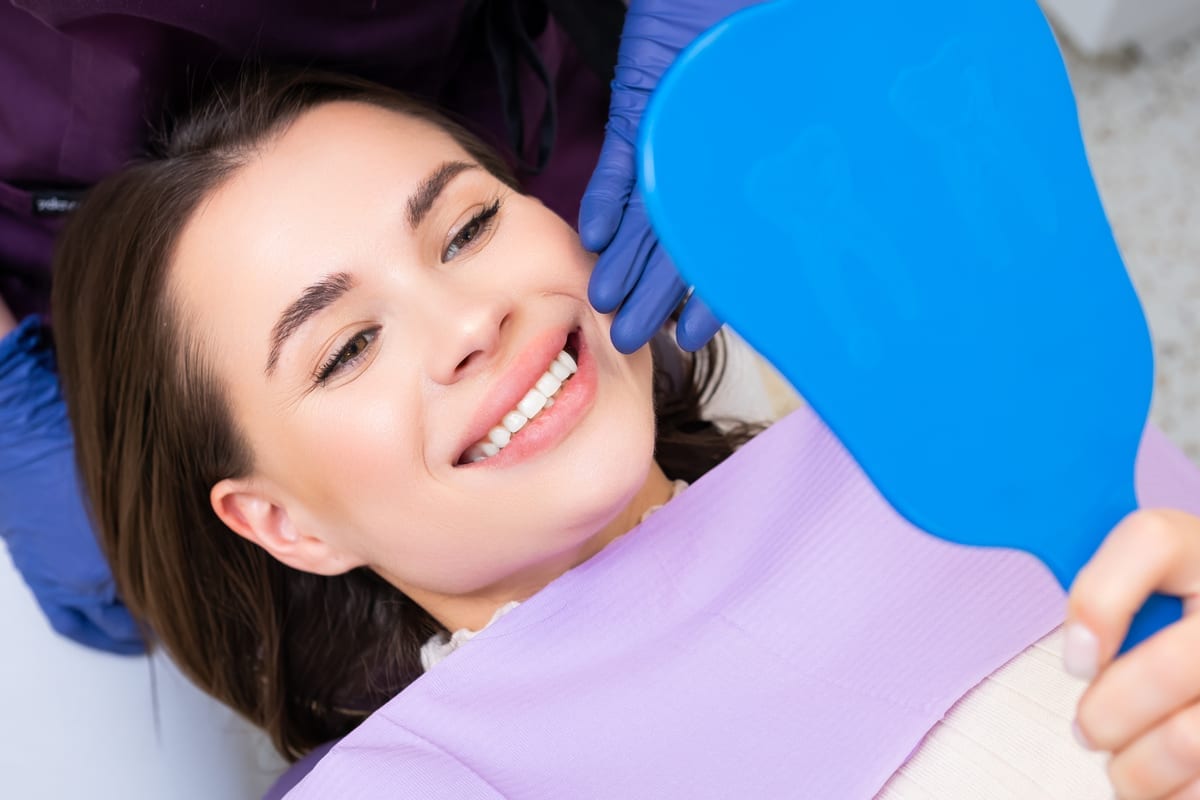
Getting a dental bridge is a big step toward restoring your smile. But what happens once you leave the dental chair? Knowing what to expect after your dental bridge — pain, food choices, and recovery in Keller — can make your healing process much smoother. Whether you received a temporary or permanent bridge, the days following your procedure are important. This guide walks you through everything you need to know.
Understanding the Dental Bridge Recovery Timeline in Keller
Most patients feel some sensitivity in the first few days after placement. This is completely normal and expected. Your gums and surrounding teeth need time to adjust to the new restoration.
Here is a general timeline of what recovery looks like:
- Day 1–3: Mild soreness, sensitivity to temperature, and gum tenderness are common.
- Day 4–7: Sensitivity usually begins to ease. Swelling, if any, should decrease.
- Week 2: Most patients feel comfortable eating a wider variety of foods.
- Week 3–4: Your bite should feel natural. Full adjustment often takes about a month.
Everyone heals at a slightly different pace. If you had multiple teeth involved or any extractions beforehand, recovery may take a little longer. Be patient with your body and follow your dentist’s instructions carefully.
Managing Pain and Discomfort After Your Dental Bridge
Some discomfort after a dental bridge procedure is expected. The teeth supporting the bridge — called abutment teeth — are reshaped during the process. That reshaping can leave them temporarily sensitive.
Here are practical ways to manage pain during recovery:
- Take over-the-counter pain relievers like ibuprofen as directed.
- Use a toothpaste formulated for sensitive teeth.
- Avoid extremely hot or cold foods and drinks for the first week.
- Rinse gently with warm salt water to soothe gum irritation.
- Sleep with your head slightly elevated to reduce swelling.
Sharp or worsening pain after the first week is not typical. Contact your dental team if pain intensifies instead of improving. At Flossophy Dental Studio, Dr. Matthew Le and his team are always available to address concerns quickly.
If you experience severe pain or swelling that feels out of the ordinary, reach out for Emergency Dentistry support right away. Prompt attention can prevent complications from developing further.
What to Eat After a Dental Bridge: A Keller Patient’s Food Guide
Your diet plays a major role in how smoothly you recover. The right food choices protect your bridge and prevent unnecessary discomfort. What you eat in the first week matters most.
Foods to enjoy during the first few days:
- Yogurt, applesauce, and smoothies
- Scrambled eggs and soft-cooked fish
- Mashed potatoes and cooked vegetables
- Soup with soft ingredients (not too hot)
- Soft pasta and rice dishes
Foods to avoid during recovery:
- Hard candies, nuts, and raw carrots
- Sticky foods like caramel or chewing gum
- Crunchy snacks such as chips or popcorn
- Tough meats that require heavy chewing
- Ice cubes — chewing ice can crack or dislodge your bridge
As healing progresses, you can slowly reintroduce firmer foods. Always chew on the opposite side of your bridge during the first week. This simple habit protects both the restoration and the surrounding gum tissue.
Caring for Your Dental Bridge at Home in Keller
Good at-home care extends the life of your bridge significantly. A well-maintained bridge can last ten to fifteen years or longer. The key is consistency.
Brush twice daily using a soft-bristled toothbrush. Be gentle around the bridge and gum line. Regular brushing removes plaque before it hardens into tartar.
Flossing under a dental bridge requires a special technique. Use a floss threader or interdental brush to clean beneath the pontic — the artificial tooth that fills the gap. This area can trap bacteria if left uncleaned.
Consider adding an antimicrobial mouthwash to your routine. It helps reduce bacteria around the bridge site. Schedule regular professional cleanings to keep your bridge and natural teeth in excellent shape.
If you are also considering other smile upgrades, Cosmetic Dentistry options like veneers or whitening can complement your bridge beautifully. Dr. Matthew Le can help you design a complete smile plan that fits your goals.
Warning Signs You Should Never Ignore After a Dental Bridge
Most recoveries go smoothly. However, certain symptoms signal that something may need professional attention. Knowing these warning signs helps you act quickly.
Contact your dental team if you notice any of the following:
- Pain that worsens after the first week instead of improving
- A bridge that feels loose or shifts when you bite
- Persistent bad taste or odor that does not resolve with brushing
- Visible gaps forming between the bridge and your gums
- Swelling or redness around the abutment teeth
These symptoms do not always mean something is seriously wrong. But they do warrant a quick check. Early intervention prevents small issues from becoming costly problems. Do not wait and hope they resolve on their own.
Conclusion: Smooth Recovery Starts With the Right Support
Understanding what to expect after your dental bridge — including pain management, food choices, and recovery in Keller — puts you in control of your healing. The first few weeks are the most important. Follow your aftercare instructions, eat gently, and keep up with your oral hygiene routine. Dr. Matthew Le and the team at Flossophy Dental Studio are here to guide Keller patients every step of the way. Book Now to schedule your appointment with our team.
Frequently Asked Questions
How long does it take to fully recover from a dental bridge?
Most patients adjust fully within two to four weeks. Initial sensitivity and soreness typically ease within the first seven days. Complex cases involving extractions or multiple teeth may take slightly longer to heal completely.
Is it normal to have pain after a dental bridge is placed?
Yes, mild discomfort is normal for the first few days. The abutment teeth are reshaped during the procedure, which can cause temporary sensitivity. Pain should gradually improve each day. If it worsens after the first week, contact your dentist.
Can I eat normally after getting a dental bridge?
You should stick to soft foods for the first week or two. Avoid hard, sticky, and crunchy foods during early recovery. As your comfort improves, you can slowly reintroduce firmer foods. Your dentist will advise you on when it is safe to resume a normal diet.
How do I clean under a dental bridge at home?
Use a floss threader, interdental brush, or water flosser to clean beneath the bridge pontic. Standard floss cannot reach under the bridge without a threader. Cleaning this area daily prevents plaque buildup and keeps your gums healthy around the restoration.
When should I call the dentist after getting a dental bridge?
Call your dentist if you experience worsening pain, a loose bridge, persistent bad taste, or visible changes around the bridge site. These symptoms may indicate an issue that needs prompt attention. Early evaluation can prevent more serious complications from developing.