$29 Emergency Exam - Walk-Ins Welcome - Same-Day Dental Appointments Available

Your shifting teeth and bone loss might mean implants can’t wait — especially for North Richland Hills residents who’ve put off tooth replacement. Missing teeth feel manageable at first. But underneath the surface, your jaw and surrounding teeth are already changing. Dr. Matthew Le at Flossophy Dental Studio of Haltom City wants you to understand what those changes really mean.
Many patients don’t realize how quickly bone loss progresses after a tooth is gone. Within the first year alone, you can lose up to 25% of jaw bone density at the extraction site. That timeline matters enormously when it comes to your implant options. The longer you wait, the more complex your treatment may become.
Why Shifting Teeth in North Richland Hills Are a Serious Warning Sign
When a tooth goes missing, neighboring teeth lose their anchor point. They begin to drift, tilt, and shift toward the open space. This movement isn’t just cosmetic — it changes your entire bite alignment. Many patients first notice it when their chewing feels uneven or awkward.
Shifting teeth create gaps and angles that trap food and bacteria. This raises your risk for gum disease and decay in otherwise healthy teeth. Over time, a single missing tooth can compromise several surrounding teeth. What started as one problem becomes a much bigger one.
If you live near North Richland Hills and you’ve noticed your teeth feel different than they used to, pay attention to that signal. Your teeth are telling you something important. Acting sooner rather than later protects the teeth you still have. It also keeps your implant options more straightforward and affordable.
Bone Loss: The Hidden Consequence of Waiting Too Long
Tooth roots do more than anchor your teeth — they stimulate the jaw bone every time you bite or chew. When a root is gone, that stimulation stops. The jaw bone in that area begins to shrink and weaken in a process called resorption. This happens silently, with no pain to warn you.
Here’s why bone loss is so critical for implants specifically. A dental implant requires a certain volume and density of jaw bone to fuse securely. If too much bone has already deteriorated, a bone graft procedure becomes necessary before placement. That adds time, recovery, and complexity to your treatment plan.
Patients who act within the first few months of tooth loss often avoid the need for grafting entirely. Those who wait one to two years or more frequently require it. Bone loss is one of the clearest reasons why your shifting teeth and bone loss might mean implants can’t wait in North Richland Hills or the surrounding area. Early evaluation is always the smarter path.
Common Warning Signs You’ve Already Waited Too Long
Some patients come in not knowing how far things have progressed. Dr. Le sees these warning signs regularly at Flossophy Dental Studio of Haltom City. If any of these sound familiar, it’s time to schedule an evaluation right away.
- Difficulty chewing certain foods — especially hard, crunchy, or chewy textures
- Visible gaps between teeth that weren’t there before
- A sunken or collapsed appearance around the cheeks or jaw area
- Teeth that feel loose or noticeably shifted from their original position
- Jaw soreness or TMJ discomfort from an unbalanced bite
- Frequent food trapping in new gaps or shifted spaces
- Changes in your speech or difficulty pronouncing certain sounds
These signs don’t appear overnight. They develop gradually, which makes them easy to dismiss. But each one signals that structural changes are already underway. Recognizing them early gives you more treatment options and better long-term outcomes.
What Implants Can — and Can’t — Do at This Stage
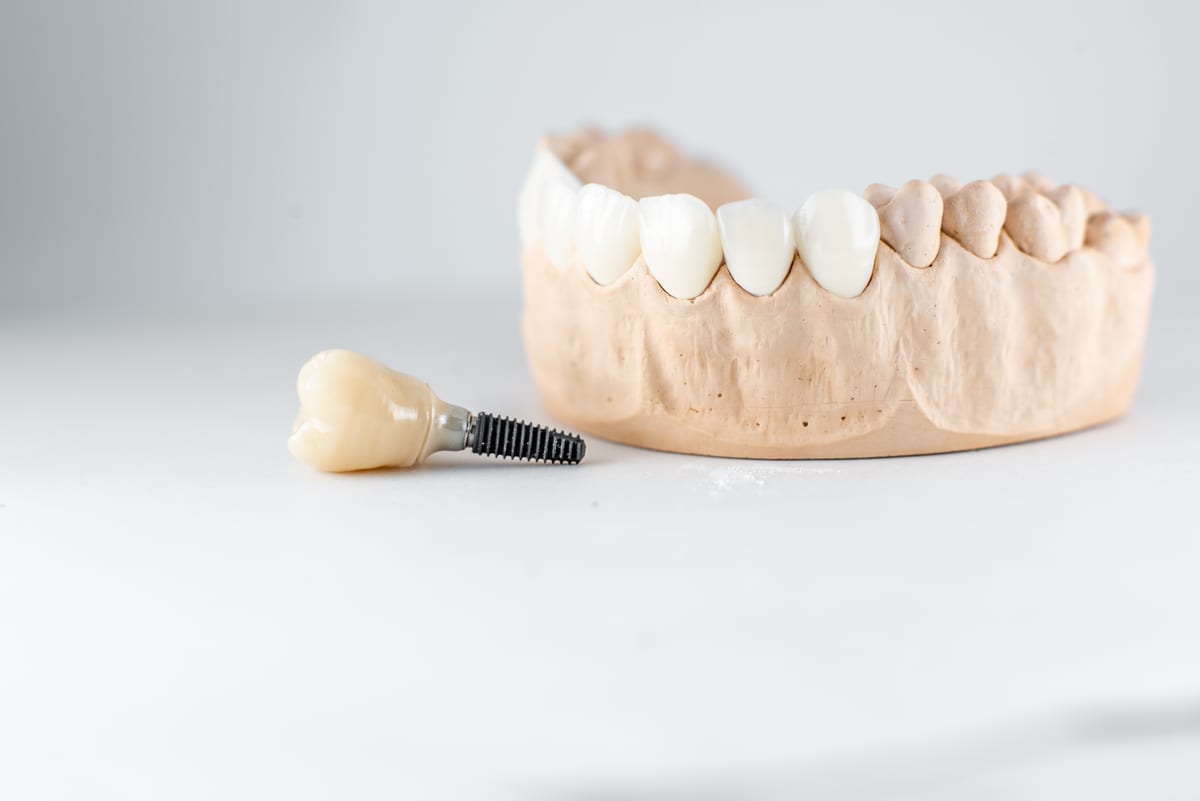
Dental implants are the gold standard for tooth replacement. They are the only option that actually replaces the tooth root and stimulates the jaw bone. This stops further bone loss and stabilizes neighboring teeth. No other restoration offers that biological benefit.
However, implants do have requirements. Adequate bone volume, healthy gum tissue, and good overall oral health all play a role. When you come in early, most patients meet these criteria with minimal preparation. When you wait, additional procedures become necessary before placement can begin.
The good news is that even patients with moderate bone loss often have a viable path forward. Bone grafting has become highly predictable and effective. Our team works with each patient to create a realistic, personalized plan. The goal is always to give you the healthiest, most lasting outcome possible.
It’s also worth noting that implants interact with your broader dental health. If you’ve also experienced cosmetic concerns alongside tooth loss, Cosmetic Dentistry options can be part of your comprehensive care plan. And if a dental situation becomes suddenly painful or urgent, Emergency Dentistry services are also available at our practice.
Benefits of Acting Now Instead of Waiting
We understand that dental decisions aren’t always easy. Cost, time, and anxiety all play a role in how patients approach treatment. But delaying implant care almost always creates more of each of those concerns down the line. Here’s what acting promptly actually gives you.
- Preserved jaw bone — stopping further deterioration before it becomes severe
- Stable neighboring teeth — preventing drift and misalignment from spreading
- Simpler treatment — avoiding the need for bone grafting in many cases
- Better chewing function — restoring full bite strength and comfort
- Improved confidence — eliminating visible gaps or shifting that affect your smile
- Long-term cost savings — fewer procedures required when treated earlier
The decision to move forward with implants is ultimately yours. But having accurate information about what’s happening in your mouth helps you make that decision with confidence. Dr. Le and the team at Flossophy Dental Studio are here to educate, not pressure. You deserve to understand exactly what’s at stake.
Taking the Next Step in North Richland Hills
If you’ve been noticing signs like shifting teeth, difficulty chewing, or a changing jaw appearance, don’t put off an evaluation any longer. Your shifting teeth and bone loss might mean implants can’t wait — and the North Richland Hills community has access to experienced, compassionate care right in the area. Flossophy Dental Studio of Haltom City is close by and ready to help.
Dr. Matthew Le takes a thorough, patient-centered approach to every evaluation. You won’t be rushed, and your questions will be answered honestly. The first step is simply understanding where things stand with a detailed examination and imaging. From there, you and Dr. Le can discuss your options together.
Don’t let another month go by while bone loss quietly continues. The sooner you come in, the more we can preserve and protect. Book Now to schedule your appointment with our team.
Frequently Asked Questions
How quickly does bone loss happen after losing a tooth?
Bone loss begins almost immediately after a tooth is lost. Studies show you can lose up to 25% of bone width in the first year alone. The process continues gradually over time, which is why early evaluation is so important for implant candidacy.
Can I still get implants if I already have significant bone loss?
In many cases, yes. Bone grafting can rebuild lost jaw bone to create a stable foundation for an implant. The procedure has a high success rate and is performed routinely. Dr. Le will assess your specific situation and let you know what’s needed before placement can begin.
Why are my teeth shifting after losing just one tooth?
Every tooth depends on its neighbors for positional support. When one tooth is removed, the surrounding teeth lose that support and begin to drift toward the open space. This movement can affect your bite, your chewing, and even your facial appearance over time. Replacing the missing tooth stops this chain reaction.
Is difficulty chewing always a sign I need implants?
Not always, but it is a significant warning sign worth evaluating. Chewing difficulty can result from missing teeth, shifting, bite misalignment, or jaw bone changes. A thorough dental exam can identify the root cause and guide the right treatment recommendation for your situation.
How do I know if I’m a candidate for dental implants?
Candidacy depends on factors like bone volume, gum health, and overall oral health. Most adults who are in reasonably good health qualify, especially when they seek care early. The best way to know for certain is to schedule a consultation with Dr. Le, who will review your records and imaging to give you a clear answer.