$29 Emergency Exam - Walk-Ins Welcome - Same-Day Dental Appointments Available

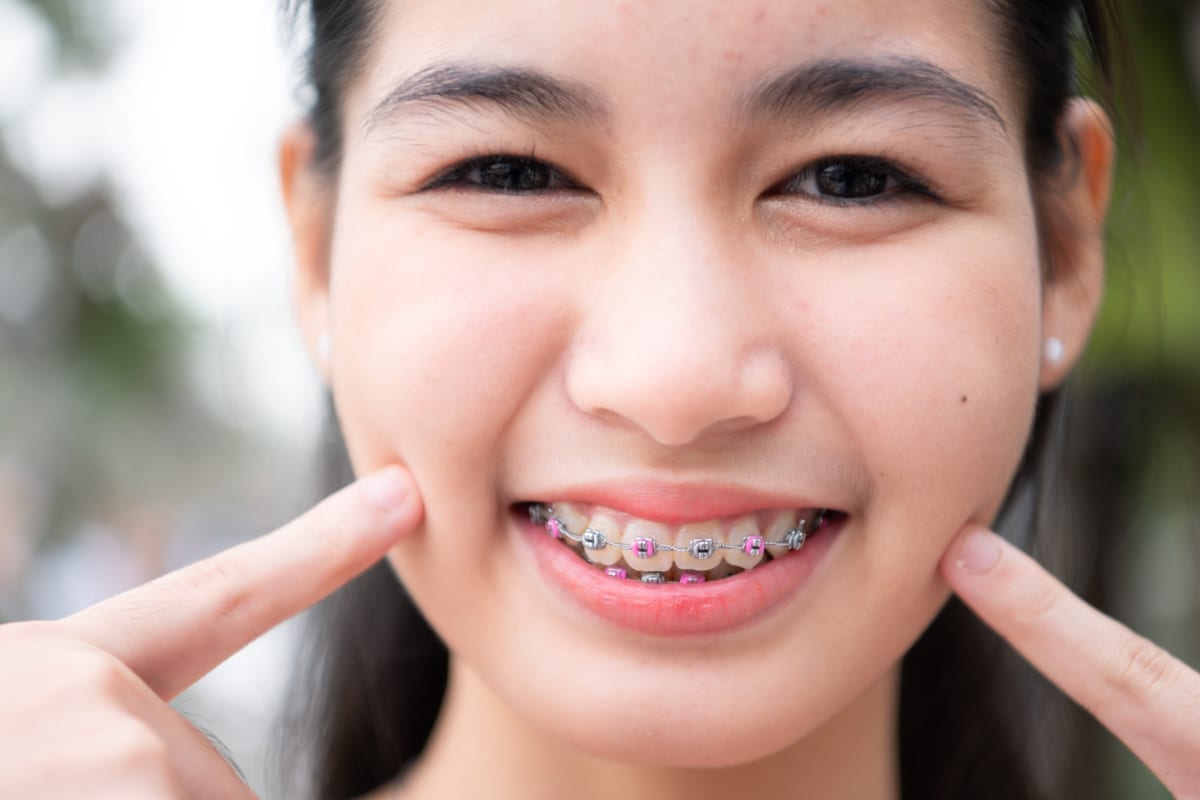
You spent months — maybe years — in braces. Now your smile looks amazing. But a common question lingers: do braces results last forever, or will your teeth shift back in Fort Worth after treatment ends? The honest answer is that braces create lasting change, but they do not freeze your teeth permanently. Understanding what affects longevity helps you protect your investment for decades to come.
At Flossophy Dental Studio, Dr. Matthew Le helps Fort Worth patients understand that orthodontic success is a partnership. Treatment straightens your teeth. What you do afterward determines how long they stay that way.
Why Teeth Naturally Shift After Braces
Your teeth are not set in stone. They are held in place by a network of ligaments, bone, and soft tissue. These structures are flexible — which is exactly what allows braces to move teeth in the first place.
Once braces come off, that same flexibility means teeth can continue to drift. This process is called orthodontic relapse. It happens gradually and often goes unnoticed until the shift becomes visible.
Several factors drive natural shifting over time:
- Bone and ligament tissue remodeling after treatment
- Pressure from the tongue and lips during daily function
- Normal aging of the jaw and facial structure
- Gum tissue pulling teeth toward their original positions
- Wisdom tooth eruption pushing forward into the smile
None of these factors mean braces fail. They simply mean retention is a critical part of every orthodontic outcome.
How Long Do Braces Results Actually Last in Fort Worth?
With proper care, braces results can last a lifetime. Without a solid retention plan, noticeable shifting can begin within months of treatment ending. The first year after braces is the most vulnerable period for relapse.
Studies consistently show that teeth move most rapidly in the 12 months following bracket removal. After that, movement slows but never stops entirely. This is why orthodontists and dentists emphasize long-term retainer use rather than a fixed endpoint.
Fort Worth patients who wear retainers as directed maintain their results far longer than those who stop early. The timeline varies by individual, but the pattern is consistent. Retention equals longevity.
It is also worth noting that some degree of minor shifting is considered normal over a lifetime. The goal is not perfection decades later — it is preserving the functional alignment and aesthetic result your treatment achieved.
What Shortens the Lifespan of Your Orthodontic Results
Certain habits and health factors accelerate post-braces shifting. Being aware of them gives you a real advantage in protecting your smile.
The most common culprit is inconsistent retainer wear. Many patients wear their retainer faithfully for a few months, then gradually stop. Teeth begin moving almost immediately after retainer use drops off.
Other factors that shorten results include:
- Skipping retainer wear entirely after the first year
- Grinding or clenching teeth at night without a night guard
- Gum disease that weakens the bone supporting your teeth
- Thumb sucking or tongue thrusting habits
- Mouth breathing, which changes jaw development over time
Dental health plays a major role here. Untreated gum disease or bone loss creates instability that no retainer can fully compensate for. Staying current with your teeth cleaning appointments protects the foundation your orthodontic results depend on.
If you ever experience a dental emergency that affects your bite or tooth position, addressing it quickly is essential. Emergency Dentistry Fort Worth services at Flossophy Dental Studio are available to help when unexpected issues arise.
How to Extend the Longevity of Your Braces Results
The good news is that protecting your orthodontic investment is straightforward. It does not require dramatic effort — just consistent habits maintained over time.
Retainer wear is the single most important factor. Most patients transition from nightly wear to several nights per week after the first year. Your dentist or orthodontist will provide a specific schedule based on your case.
Here are the most effective strategies for long-lasting results:
- Wear your retainer exactly as prescribed — never skip nights casually
- Replace retainers that crack, warp, or no longer fit properly
- Schedule regular dental cleanings to maintain gum and bone health
- Address teeth grinding with a custom night guard if needed
- Visit your dentist promptly if you notice any unexpected shifting
- Consider a fixed (bonded) retainer behind the front teeth for added stability
Fixed retainers are a popular option in Fort Worth for patients who want passive, worry-free protection. They bond to the back surface of your teeth and require no daily action. They do need regular professional cleaning to prevent buildup.
Cosmetic maintenance can also play a role in your long-term smile plan. Cosmetic Dentistry Fort Worth options like teeth whitening or veneers can complement your orthodontic results and keep your smile looking its best for years ahead.
What to Do If Your Teeth Have Already Shifted
If you notice your teeth have shifted since completing treatment, do not panic. Minor relapse is common and treatable. Catching it early makes correction far easier.
In many cases, a new or updated retainer can guide teeth back to their corrected position — especially if the shift is mild. For more significant movement, short-term orthodontic treatment may be recommended. Options like clear aligners can address moderate relapse efficiently.
The key is not to wait. Shifting tends to progress if left unaddressed. A quick evaluation with Dr. Matthew Le at Flossophy Dental Studio can clarify how much movement has occurred and what your best options are.
Do not be discouraged by relapse. It does not erase the work you did — it simply signals that the retention phase needs to be reactivated. Many Fort Worth patients successfully recorrect minor shifting with minimal intervention.
Conclusion
So, do braces results last forever, or will your teeth shift back in Fort Worth? The truth sits in the middle. Braces create real, lasting alignment — but teeth remain dynamic throughout your life. Long-term retention, healthy gums, and consistent dental care are what convert a great orthodontic result into a lifelong smile. Dr. Matthew Le and the team at Flossophy Dental Studio are here to support every stage of that journey. Book Now to schedule your appointment with our team.
Frequently Asked Questions
How long do I need to wear my retainer after braces?
Most patients wear retainers nightly for the first 12 months after braces. After that, your dentist may recommend several nights per week for ongoing maintenance. Many orthodontists now recommend lifelong retainer wear to fully prevent relapse over time.
Can my teeth shift back to their original position after braces?
Teeth can shift significantly if retainers are not worn consistently. However, a full return to the pre-treatment position is uncommon when some retention is maintained. Catching early relapse and resuming retainer wear usually prevents major regression.
What is the most common reason braces results do not last?
Inconsistent or discontinued retainer wear is the number one cause of orthodontic relapse. Patients who stop wearing retainers within the first year are at highest risk for noticeable shifting. Building retainer wear into a nightly routine significantly reduces this risk.
Does teeth grinding affect my orthodontic results?
Yes. Bruxism — the habit of grinding or clenching teeth — creates pressure that can shift teeth out of alignment over time. A custom night guard protects both your orthodontic results and your tooth enamel from the damage grinding causes.
Is it too late to fix teeth that have shifted after braces?
It is rarely too late. Minor to moderate shifting can often be corrected with updated retainers or short-term orthodontic treatment like clear aligners. Scheduling an evaluation early gives you the most conservative and affordable correction options available.