$29 Emergency Exam - Walk-Ins Welcome - Same-Day Dental Appointments Available

Many patients leave a cleaning appointment surprised — either pleasantly or not. Understanding what your teeth cleaning can actually remove (and what it can’t) in Haltom City helps you walk in with the right expectations. At Flossophy Dental Studio of Haltom City, Dr. Matthew Le wants every patient to feel informed before they sit in the chair. Knowing the difference between what a professional cleaning removes versus what requires cosmetic treatment can save you frustration and help you plan your smile goals wisely.
What a Professional Teeth Cleaning Actually Removes
A professional cleaning is more powerful than brushing at home. Your dental hygienist uses specialized tools to reach areas your toothbrush simply cannot. Here is a clear breakdown of what a standard cleaning reliably removes.
Plaque is a soft, sticky film of bacteria that builds up daily on your teeth. Brushing and flossing remove most of it, but some always gets left behind. A professional cleaning clears away that remaining plaque before it causes decay or gum disease.
Tartar (calculus) is hardened plaque that no toothbrush can remove. Once tartar forms, only a dental hygienist with professional tools can safely take it off. Leaving tartar in place accelerates gum disease and tooth damage over time.
Light surface stains from everyday foods and beverages are also removed during cleaning. Coffee, tea, red wine, and certain foods leave thin deposits on enamel. Polishing at the end of your cleaning lifts many of these light stains effectively.
Which Stains a Cleaning Removes — and Why It Matters in Haltom City
Not all stains are created equal. Dental stains fall into two main categories: extrinsic and intrinsic. Understanding this distinction is key to setting realistic expectations about your cleaning results.
Extrinsic stains sit on the outer surface of the enamel. These are caused by food, drinks, and tobacco. Professional cleaning removes a good portion of these surface-level deposits. Patients often notice their teeth look noticeably cleaner and slightly brighter after a thorough cleaning.
Intrinsic stains live inside the tooth structure itself. These develop from medications like tetracycline, excess fluoride exposure, aging, or trauma. Professional cleaning cannot reach these stains because they are embedded in the dentin layer. No amount of polishing will lighten intrinsic discoloration.
Here is a quick summary to help you understand the difference:
- Coffee and tea stains — often removed by cleaning
- Red wine surface deposits — often removed by cleaning
- Tobacco stains — partially removed; heavier stains may need whitening
- Aging-related yellowing — not removed by cleaning alone
- Medication-induced discoloration — requires cosmetic treatment
- Spots from old dental work — not removed by cleaning
What a Teeth Cleaning Cannot Remove
It is important to be honest about the limits of a professional cleaning. Many patients expect a cleaning to whiten their teeth dramatically. That is not what a cleaning is designed to do.
Deep yellowing that has developed over years cannot be polished away. The color change happens inside the tooth and is not a surface deposit at all. Cleaning removes buildup, not the natural or age-related color of your enamel.
Old composite bonding or porcelain restorations also do not respond to cleaning or whitening agents. If your dental work has discolored, replacement is typically the solution. Dr. Matthew Le can evaluate your restorations and recommend the right path forward.
Severely stained teeth from heavy tobacco use may also not fully respond to cleaning alone. While cleaning removes surface deposits, years of tobacco staining can penetrate deeper. In these cases, professional teeth whitening or Cosmetic Dentistry Haltom City options are worth exploring.
When to Consider Professional Teeth Whitening Instead
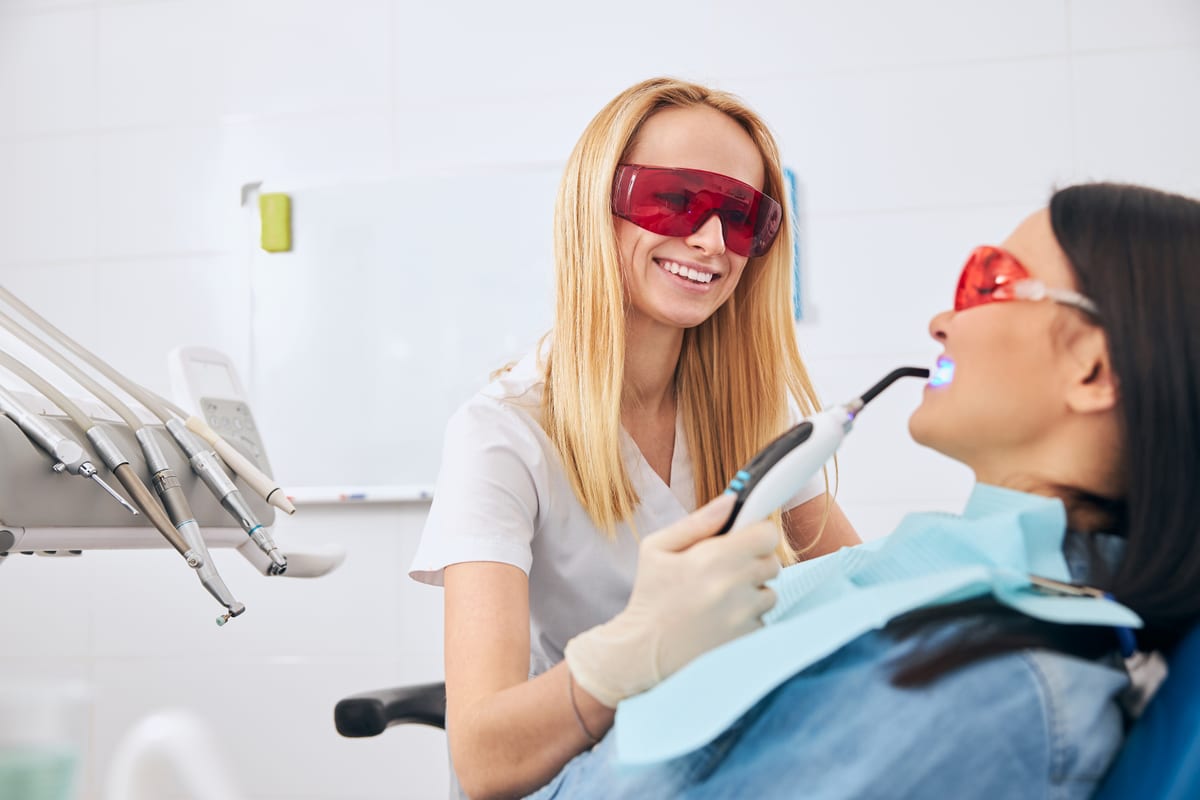
If cleaning does not give you the brightness you want, professional whitening is the logical next step. Whitening uses peroxide-based agents to break apart stain molecules inside the enamel. This goes far beyond what polishing can achieve.
At Flossophy Dental Studio of Haltom City, Dr. Matthew Le offers professional teeth whitening as part of a broader cosmetic approach. Whitening is most effective on natural teeth with extrinsic staining. It will not change the color of crowns, veneers, or bonding.
Benefits of professional whitening over at-home kits include:
- Higher-concentration whitening agents for faster results
- Custom-fitted trays that cover teeth evenly
- Supervision from a licensed dentist for safety
- More predictable and longer-lasting outcomes
- Reduced risk of sensitivity with professional guidance
Your cleaning appointment is actually the perfect starting point. Once plaque and tartar are removed, whitening agents work more effectively on a clean surface. Scheduling whitening shortly after your cleaning gives you the best possible results.
Making the Most of Your Cleaning Appointment
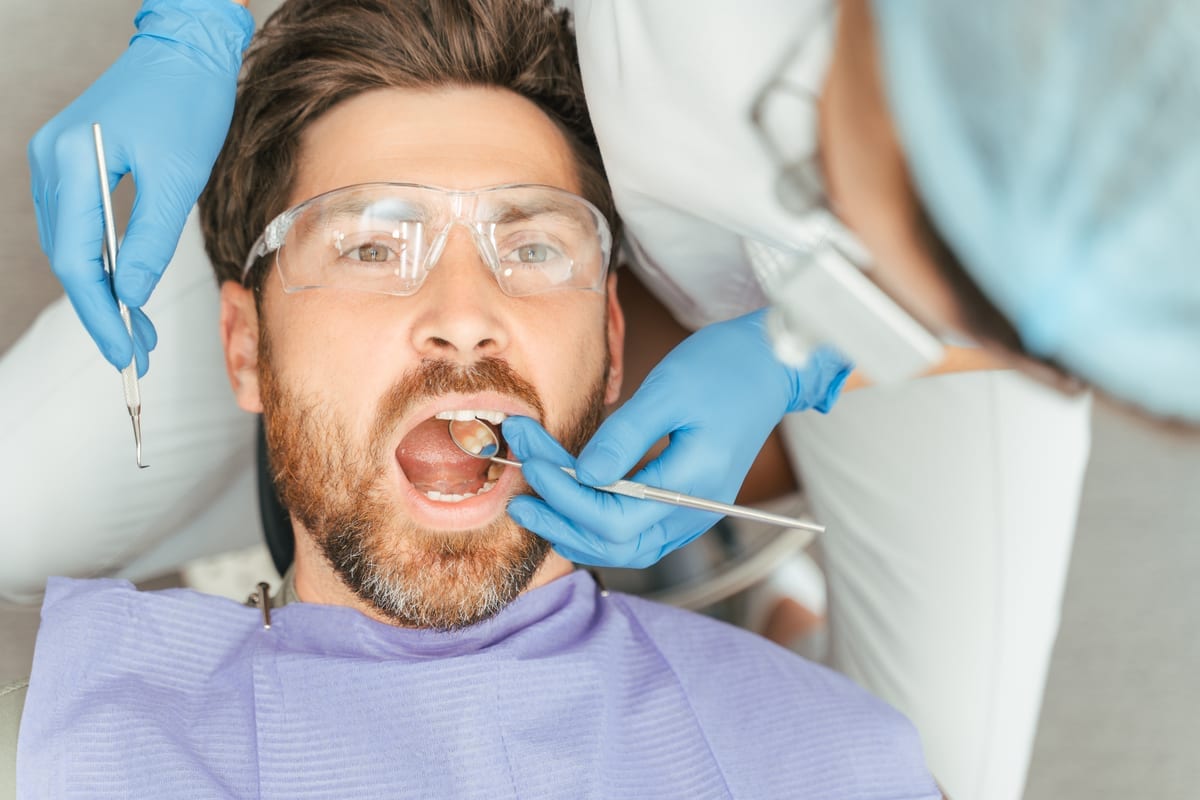
Your teeth cleaning does far more than improve your smile’s appearance. It is a critical part of preventing gum disease, catching early decay, and maintaining your overall oral health. Dr. Matthew Le and the team at Flossophy Dental Studio of Haltom City treat every cleaning as a full health checkup for your mouth.
During your visit, your hygienist will also screen for early signs of problems. Catching issues early means simpler, less costly treatment later. If something urgent comes up, knowing about Emergency Dentistry Haltom City options gives you peace of mind that you are covered.
Combining regular cleanings with good home care keeps surface stains at a minimum. Rinsing after coffee or tea, staying hydrated, and using a whitening toothpaste all help maintain your results between visits. Small daily habits make a real difference over time.
If cosmetic goals are on your mind, bring them up at your next cleaning appointment. Dr. Le welcomes an open conversation about what you hope to achieve with your smile. Together, you can build a realistic plan that fits your needs and timeline.
Ready to see what a professional cleaning can do for your smile? Book Now to schedule your appointment with our team.
Frequently Asked Questions
Will my teeth look whiter after a professional cleaning?
Your teeth may look noticeably cleaner and slightly brighter after a cleaning. Light surface stains from coffee, tea, and food are often removed during polishing. However, a cleaning is not a whitening treatment and will not dramatically change the shade of your teeth. If you want significant whitening, professional bleaching is the more effective option.
How often should I get my teeth professionally cleaned?
Most patients benefit from a professional cleaning every six months. Some patients with gum disease or heavy tartar buildup may need more frequent visits — typically every three to four months. Dr. Matthew Le will recommend a schedule based on your individual oral health needs during your exam.
Can a cleaning remove tobacco stains completely?
A cleaning can remove light to moderate tobacco stains from the tooth surface. Heavy or long-term tobacco staining may only be partially lifted by cleaning and polishing alone. Professional teeth whitening or other cosmetic treatments may be needed for more significant discoloration. Quitting tobacco also helps prevent future staining from returning.
Is teeth polishing included in every cleaning?
Polishing is a standard part of most professional cleanings. It uses a slightly abrasive paste applied with a rotating tool to buff the tooth surface. This step removes light stains and leaves teeth feeling smooth and clean. In some cases, your hygienist may use air polishing for a gentler and more thorough finish.
What is the difference between cleaning and whitening?
Cleaning removes plaque, tartar, and surface stains to restore your teeth to their natural clean state. Whitening uses chemical agents to lighten the actual color of the enamel beyond its natural shade. They serve different purposes and work best when used together. A cleaning is always recommended before whitening to ensure the best possible results.