$29 Emergency Exam - Walk-Ins Welcome - Same-Day Dental Appointments Available

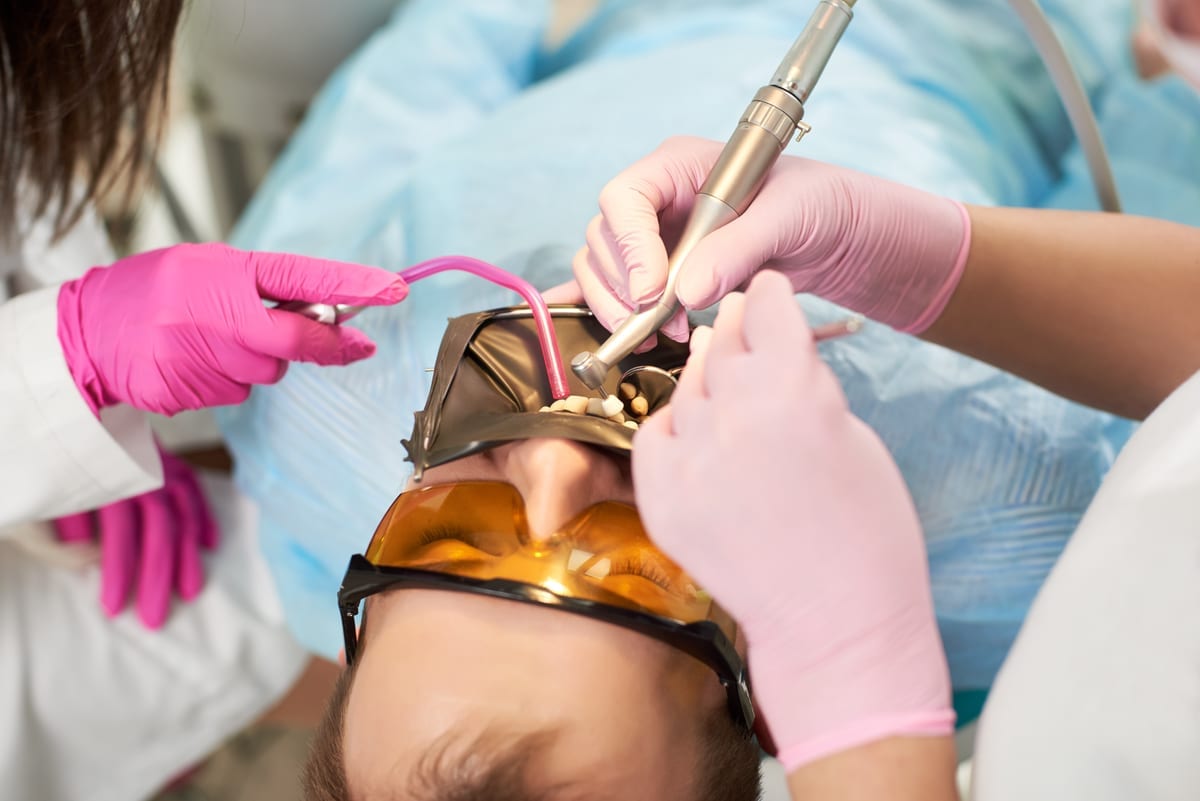
Root canal recovery is smoother than most patients expect. If you’ve recently had a root canal in Fort Worth — or you’re preparing for one — knowing what comes next makes a real difference. This guide covers what to eat, how to manage discomfort, how long sensitivity typically lasts, and the red flags that mean it’s time to call your dentist. Dr. Matthew Le and the team at Flossophy Dental Studio want your recovery to feel as easy and stress-free as possible.
What to Expect Immediately After Your Root Canal
Right after your procedure, your mouth will still be numb. Don’t eat or drink hot beverages until the anesthetic fully wears off. Biting or chewing on a numb area can cause accidental injury without you realising it.
Mild soreness around the treated tooth is completely normal. The tissues surrounding the tooth were worked on during the procedure. That soreness typically peaks within the first 24 to 48 hours and then gradually improves.
You may also notice some jaw stiffness or tenderness. Keeping your mouth open for an extended period during treatment can cause that. It usually resolves within a few days on its own.
- Numbness lasts 2–4 hours after the procedure
- Mild swelling near the treated area is common
- Avoid touching the area with your tongue repeatedly
- Rest for the remainder of the day if possible
- Avoid smoking or alcohol for at least 24 hours
What to Eat During Root Canal Recovery in Fort Worth
Choosing the right foods is one of the most important parts of root canal recovery. Stick to soft, easy-to-chew options for the first few days. Your tooth may have a temporary crown or filling, so treat it gently.
Good soft food options include yogurt, mashed potatoes, scrambled eggs, smoothies, soup, and oatmeal. These put minimal pressure on the treated tooth. They also keep your nutrition up while your mouth heals.
Avoid hard, crunchy, or chewy foods during recovery. Chips, nuts, crusty bread, and sticky candy can dislodge a temporary restoration. They can also cause pain if the area is still sensitive.
- Good choices: yogurt, applesauce, soft pasta, bananas, soup, mashed vegetables
- Avoid: hard crackers, chewy candy, raw carrots, popcorn, ice
- Temperature tips: Avoid very hot or very cold foods for the first 48 hours
- Chew on the opposite side whenever possible
Once your permanent crown is placed, you can return to your normal diet. Until then, caution goes a long way in protecting your investment in your oral health.
Managing Pain and Sensitivity After Your Root Canal
Most patients manage post-procedure discomfort easily with over-the-counter pain relievers. Ibuprofen (Advil, Motrin) works particularly well because it reduces both pain and inflammation. Follow the dosage instructions on the packaging carefully.
Acetaminophen (Tylenol) is a solid alternative if you can’t take ibuprofen. Some dentists recommend alternating between the two for stronger relief. Always check with your provider before combining medications.
Sensitivity to pressure on the treated tooth can linger for one to two weeks. This is a normal part of healing. The ligament around the tooth root was disturbed during the procedure, and it takes time to settle.
Sensitivity to hot and cold temperatures may also persist briefly. For most patients, this fades within a week. If it worsens or extends beyond two weeks, contact your dentist for a follow-up evaluation.
Red Flags: When to Call Your Dentist in Fort Worth
Most root canal recoveries go smoothly. However, certain symptoms signal that something may need attention. Don’t ignore these warning signs — catching issues early leads to faster resolution.
Contact Flossophy Dental Studio promptly if you experience any of the following. Severe or worsening pain after the first few days is not typical. Increasing swelling in your jaw, cheek, or gums also warrants a call.
A visible pimple or bump on the gum near the treated tooth may indicate an abscess. A bad taste or odour that doesn’t go away could signal infection. These require professional evaluation right away.
If your temporary crown or filling feels loose, cracked, or falls out, call the practice immediately. An exposed root canal is vulnerable to reinfection. The faster you address it, the better the outcome.
In situations that feel urgent or involve severe swelling and pain, Emergency Dentistry Fort Worth is available to help you get prompt care when you need it most.
Long-Term Recovery and Protecting Your Treated Tooth
Once the permanent crown is placed, your restored tooth can last many years. Root canal-treated teeth are more brittle than natural teeth. A crown protects the tooth from cracking under normal chewing pressure.
Maintain a consistent oral hygiene routine throughout your recovery and beyond. Brush twice daily and floss once a day around the treated tooth. Regular cleanings at Flossophy Dental Studio help monitor the area and catch any concerns early.
If your root canal was part of a broader smile improvement plan, that is worth exploring further. Treatments like Cosmetic Dentistry Fort Worth can complement restorative work beautifully. Dr. Matthew Le tailors each plan to your unique goals and dental health needs.
Follow-up appointments are an essential part of long-term success. Dr. Le will monitor healing, confirm the crown is performing well, and make sure no issues develop. Keeping those appointments is one of the best things you can do for your smile.
Conclusion: Your Recovery, Supported Every Step of the Way
Root canal recovery in Fort Worth doesn’t have to feel overwhelming. With the right foods, the right pain management, and a clear understanding of what’s normal, most patients bounce back quickly. The team at Flossophy Dental Studio is here to guide you every step of the way. Book Now to schedule your appointment with our team.
Frequently Asked Questions
How long does root canal recovery typically take?
Most patients feel significantly better within 2 to 3 days. Full recovery, including reduced sensitivity around the tooth, usually occurs within one to two weeks. The timeline can vary depending on the complexity of the procedure and your overall oral health.
Can I go to work the day after a root canal?
Most people can return to work the next day if their job is not physically demanding. It is best to rest on the day of the procedure. If you experience significant swelling or discomfort, taking an extra day helps your body heal more comfortably.
Is it normal for the tooth to hurt more before it gets better?
Mild soreness that peaks around day one or two is completely normal. However, pain that steadily worsens after the first 48 hours is not typical. Contact Flossophy Dental Studio if your discomfort is increasing rather than improving.
What happens if my temporary crown falls off?
Call the practice right away if your temporary crown or filling comes loose or falls out. An exposed root canal can become reinfected quickly. Dr. Matthew Le’s team will get you in as soon as possible to reprotect the tooth.
When is it safe to eat normally again after a root canal?
Stick to soft foods for the first 3 to 5 days while the area is tender. Once your permanent crown is placed and any sensitivity has resolved, you can typically return to your normal diet. Your dentist will confirm this at your follow-up visit.