$29 Emergency Exam - Walk-Ins Welcome - Same-Day Dental Appointments Available

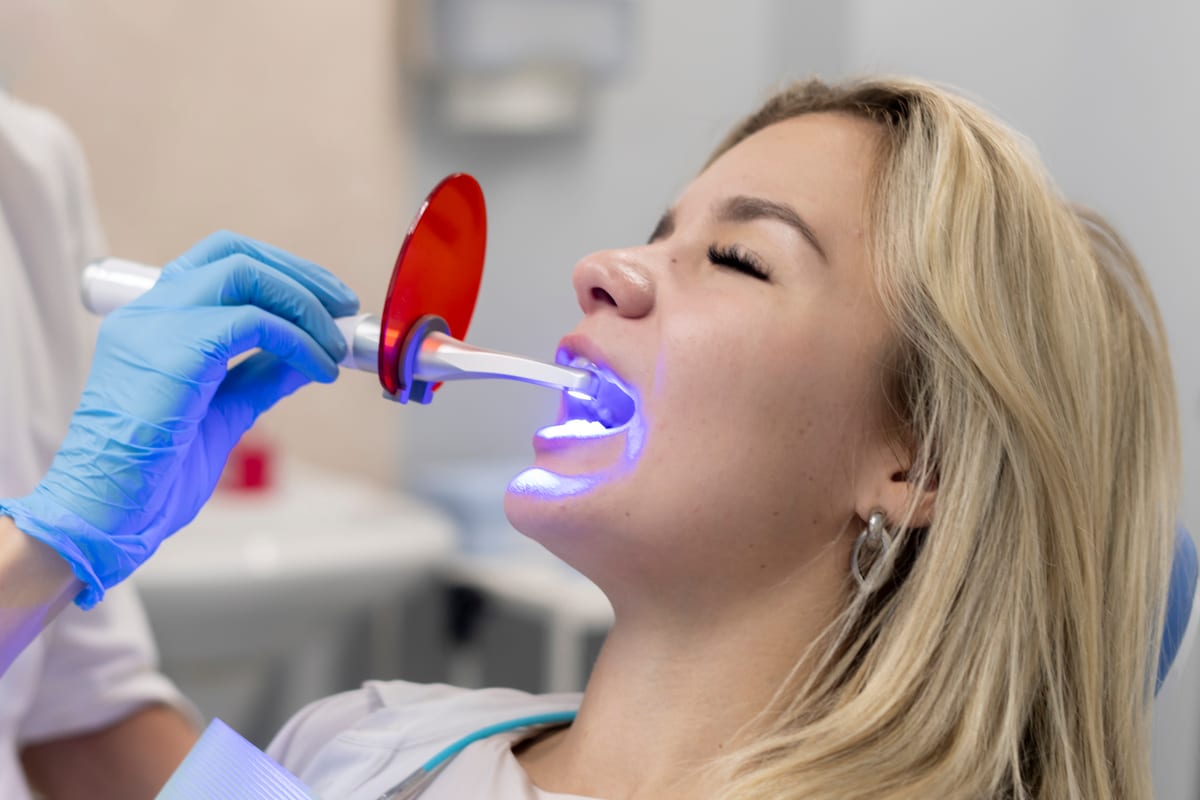
You have tried whitening strips, whitening toothpaste, and maybe even a professional treatment. Yet your smile still looks dull or discolored. If you are wondering why your teeth whitening isn’t working, intrinsic versus extrinsic stains in Fort Worth may be the answer. Not all stains respond to bleaching agents the same way. Understanding the difference can save you time, money, and frustration.
What Are Extrinsic Stains and Why Do They Happen?
Extrinsic stains live on the outer surface of your tooth enamel. They form when pigmented substances come into contact with your teeth repeatedly over time. These are the most common type of stain dentists see.
Common causes of extrinsic stains include:
- Coffee, tea, and red wine
- Dark-colored sodas and sports drinks
- Tobacco use, including cigarettes and chewing tobacco
- Certain foods like berries, soy sauce, and tomato-based sauces
- Poor brushing habits that allow surface buildup
The good news is that extrinsic stains typically respond well to whitening treatments. Professional bleaching gels penetrate the enamel surface to break up these pigment molecules. Regular teeth cleaning appointments also remove surface buildup before it sets deeper into the tooth.
Intrinsic Stains: The Reason Your Whitening Isn’t Working
Intrinsic stains are a different story entirely. These stains form inside the tooth structure, beneath the enamel. No whitening strip or bleaching gel can reach them effectively. This is the most common reason patients in Fort Worth feel frustrated with their whitening results.
Several factors can cause intrinsic staining:
- Tetracycline antibiotic use during childhood tooth development
- Excessive fluoride exposure during enamel formation, known as fluorosis
- Trauma or injury to a tooth that causes internal bleeding
- Natural aging, which thins enamel and exposes yellow dentin beneath
- Genetic conditions that affect tooth structure
- Certain medications taken during pregnancy that affect the developing baby’s teeth
Intrinsic stains are embedded in the dentin layer. Over-the-counter products and even many professional whitening kits simply cannot penetrate deeply enough. Applying more whitening product will not help and may actually irritate your gums.
How Dr. Matthew Le Diagnoses Your Type of Stain
Identifying whether your stains are intrinsic or extrinsic requires a professional evaluation. Dr. Matthew Le at Flossophy Dental Studio examines your teeth closely during your appointment. He looks at the color distribution, depth, and pattern of discoloration. He also reviews your health history and lifestyle habits to pinpoint the root cause.
This step matters more than most patients realize. Choosing the wrong treatment wastes money and can delay the results you want. A proper diagnosis means you get a personalized plan that actually works for your unique smile situation.
If you have discoloration that appeared suddenly or is accompanied by sensitivity or pain, that warrants prompt attention. You can learn more about when tooth changes need immediate care through Emergency Dentistry Fort Worth at our practice.
Treatment Options for Intrinsic Versus Extrinsic Stains in Fort Worth
Once Dr. Le identifies your stain type, he recommends the right solution. Treatments differ significantly depending on whether the discoloration is internal or external.
For extrinsic stains, effective options include:
- Professional in-office teeth whitening with stronger bleaching agents
- Custom take-home whitening trays made to fit your teeth precisely
- Regular professional cleanings to prevent surface stain buildup
- Polishing treatments to remove stubborn surface discoloration
For intrinsic stains, whitening alone will not deliver results. Better alternatives include:
- Dental veneers — thin porcelain shells bonded to the front of teeth to completely mask internal discoloration
- Dental bonding — a tooth-colored resin applied to cover stained areas at a lower cost point
- Dental crowns — used when the tooth is also structurally compromised along with being discolored
- Internal bleaching — a specialized technique sometimes used for a single discolored tooth after root canal treatment
Veneers are especially popular for patients with tetracycline staining or fluorosis. They deliver a dramatic, lasting result. They also let you choose the exact shade of white you want for your smile. To explore these options in more detail, visit our Cosmetic Dentistry Fort Worth page.
Can You Prevent Staining From Getting Worse?
Prevention works differently depending on your stain type. For extrinsic stains, daily habits make a big difference. Rinse your mouth with water after consuming staining foods or drinks. Brush twice daily and floss every day without skipping.
For intrinsic stains, prevention is mostly about what happens early in life. Unfortunately, many intrinsic stains are not preventable once they have formed. The focus shifts to managing and treating them with the right cosmetic solutions.
Regardless of stain type, scheduling regular checkups at Flossophy Dental Studio helps Dr. Le monitor changes in your tooth color over time. Catching extrinsic stains early makes them easier to remove before they set more permanently.
Making the Right Choice for Your Smile
Whitening treatments are effective tools — but only for the right type of stain. Spending money on at-home kits when you have intrinsic discoloration will not give you the results you are hoping for. The smarter approach is to get a professional opinion first.
Dr. Matthew Le and the team at Flossophy Dental Studio are here to help Fort Worth patients understand exactly what is happening with their teeth. You deserve clear answers and a treatment plan built around your actual needs. Book Now to schedule your appointment with our team.
Frequently Asked Questions
Why is my teeth whitening not working even after multiple treatments?
If you have tried whitening repeatedly without results, you likely have intrinsic staining. These stains sit inside the tooth and cannot be reached by bleaching agents. A professional evaluation will help identify the real cause and point you toward treatments like veneers or bonding that actually work for internal discoloration.
How do I know if my stains are intrinsic or extrinsic?
A dentist can determine this during a clinical exam. Extrinsic stains tend to appear as yellow or brown surface discoloration and often feel rough. Intrinsic stains may show as gray, dark brown, or white spots that appear uniform across the tooth and do not change with surface cleaning. Dr. Le can evaluate your specific situation at Flossophy Dental Studio.
Are veneers a good solution for intrinsic staining?
Yes, veneers are one of the most effective solutions for intrinsic stains that do not respond to whitening. They cover the entire visible surface of the tooth with a custom-made porcelain shell. The result looks completely natural and can last ten to fifteen years with proper care.
Can a single dark tooth be whitened if it was injured?
A tooth that has darkened after trauma may respond to a technique called internal bleaching, which is performed after root canal treatment. This is not a standard whitening procedure and must be done by a dental professional. Not every case qualifies, so Dr. Le would need to assess the tooth before recommending this approach.
How often should I get my teeth professionally cleaned to prevent staining?
Most patients benefit from a professional cleaning every six months. If you consume a lot of staining foods or beverages, or if you smoke, more frequent visits may be recommended. Regular cleanings remove tartar and surface buildup before they can deepen into more stubborn stains.