$29 Emergency Exam - Walk-Ins Welcome - Same-Day Dental Appointments Available

Dental implants last 20+ years — and what actually determines yours in Fort Worth comes down to more than just the procedure itself. Many patients are surprised to learn that implant longevity depends heavily on daily habits, oral health, and the quality of care they receive. At Flossophy Dental Studio, Dr. Matthew Le helps Fort Worth patients understand exactly what affects how long their implants will last. This article breaks it all down in plain, honest terms.
Why Dental Implants Are Built to Last a Lifetime
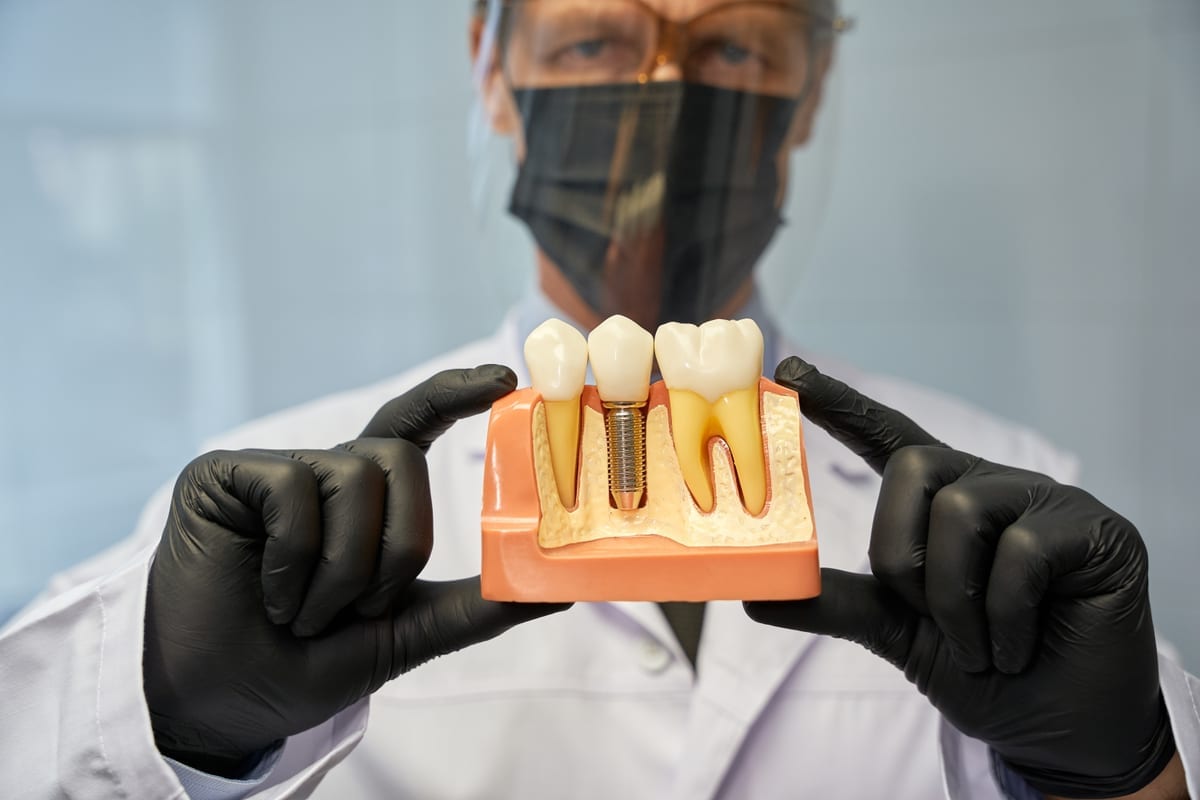
Dental implants are made from titanium, a biocompatible metal that fuses directly with your jawbone. This process — called osseointegration — creates a stable, long-lasting foundation for your replacement tooth. Unlike dentures or bridges, implants become part of your bone structure. That’s what gives them their remarkable staying power.
Studies consistently show that implants have a 95%+ success rate over 10 years. Many patients keep their implants for 25 to 30 years or longer. Some implants placed in the 1970s are still functioning today. The implant post itself rarely fails — it’s the crown or surrounding tissue that typically needs attention over time.
Understanding this distinction matters. The titanium root is designed to be permanent. The porcelain crown on top may need replacement after 10 to 15 years. Knowing what wears and what lasts helps you plan and protect your investment wisely.
The Key Factors That Shorten Dental Implant Lifespan
Not every implant reaches that 20-year milestone. Certain habits and health conditions can significantly reduce how long yours lasts. Being aware of these risks helps you take action before problems develop.
Here are the most common factors that shorten implant lifespan:
- Smoking or tobacco use — Tobacco restricts blood flow and slows healing after implant placement.
- Poor oral hygiene — Bacteria around the implant site can cause peri-implantitis, a serious gum infection.
- Teeth grinding (bruxism) — Grinding puts excessive force on the implant and crown.
- Uncontrolled diabetes — High blood sugar impairs healing and increases infection risk.
- Bone loss or osteoporosis — Reduced bone density can affect osseointegration over time.
- Skipping dental checkups — Problems caught early are far easier to treat and less costly to fix.
Smoking is one of the biggest risks. Smokers have a significantly higher implant failure rate than non-smokers. If you currently smoke, Dr. Le can discuss strategies to protect your implant before and after placement. Addressing these risk factors proactively gives your implant the best possible chance.
What Fort Worth Patients Can Do to Make Implants Last Longer
The good news is that most factors affecting implant longevity are within your control. Small, consistent habits make a dramatic difference over time. Fort Worth patients who follow these practices routinely enjoy implants that last decades.
Here are the top habits that extend implant lifespan:
- Brush twice daily with a soft-bristled toothbrush around the implant site.
- Floss daily using implant-specific floss or a water flosser to clean beneath the crown.
- Attend routine cleanings at least twice per year — or more if recommended by Dr. Le.
- Wear a night guard if you grind your teeth during sleep.
- Avoid chewing ice or hard objects that can crack the crown.
- Quit tobacco use to dramatically improve tissue health and healing.
Routine professional cleanings are especially important. Dental hygienists use specialized tools that clean around implants without damaging the surface. These visits allow Dr. Le to monitor the implant, surrounding tissue, and bone levels. Early intervention prevents minor issues from becoming major ones.
Diet also plays a role. Limit sugary and acidic foods that feed harmful bacteria. Stay hydrated to support saliva production, which naturally protects your oral tissues. Small dietary adjustments add up to meaningful protection over the decades.
How the Right Dental Team in Fort Worth Affects Your Results
Implant longevity starts before the implant is even placed. Proper planning, precise placement, and thorough follow-up care all influence how long your implant lasts. Choosing an experienced, attentive dental team makes a real difference in your outcome.
Dr. Matthew Le at Flossophy Dental Studio takes a comprehensive approach to implant care. He evaluates bone density, gum health, and bite alignment before recommending implant placement. This thorough assessment reduces the risk of complications down the road. Every treatment plan is personalized to the individual patient.
Post-placement care matters just as much as the surgery itself. Regular monitoring ensures the implant integrates properly and surrounding tissues remain healthy. If a complication arises — such as early signs of peri-implantitis — prompt treatment can save the implant entirely. That’s why staying connected with your dental team is so valuable.
If you ever experience sudden pain, swelling, or discomfort near an implant, don’t wait. That could signal an issue that needs prompt attention. Our team also provides Emergency Dentistry Fort Worth services so you can get seen quickly when something unexpected happens.
Pairing Implants With Complementary Cosmetic Care
Many patients choose dental implants as part of a broader smile transformation. Implants work beautifully alongside other treatments to create a complete, natural-looking result. Coordinating your care helps everything look and function cohesively.
Treatments like teeth whitening, veneers, and orthodontics are often paired with implants. Your surrounding natural teeth should match the shade and shape of your implant crown for the best appearance. At Flossophy Dental Studio, we coordinate these treatments thoughtfully so your entire smile looks intentional and balanced.
If you’re interested in a full smile refresh, explore what’s available through Cosmetic Dentistry Fort Worth at our practice. Dr. Le can help you build a treatment plan that prioritizes both aesthetics and long-term function. A well-planned smile makeover ensures every element works together for lasting results.
Conclusion: Your Implant’s Longevity Is in Your Hands
Dental implants are one of the most durable, reliable tooth replacement options available today. With proper care and the right dental team, they truly can last a lifetime. The difference between a 10-year implant and a 30-year implant often comes down to the choices you make every single day.
At Flossophy Dental Studio in Fort Worth, Dr. Matthew Le is committed to giving every patient the knowledge and support they need to protect their investment. Whether you’re considering implants or already have them, we’re here to help you get the most out of your care. Book Now to schedule your appointment with our team.
Frequently Asked Questions
How long do dental implants actually last?
With proper care, dental implants can last 20 to 30 years or even a lifetime. The titanium post is designed to be permanent. The crown on top may need replacement after 10 to 15 years depending on wear.
What is the most common reason dental implants fail?
Peri-implantitis — an infection of the gum and bone around the implant — is one of the most common causes of implant failure. It’s largely preventable with good oral hygiene and regular professional cleanings.
Can I get a dental implant if I smoke?
Smoking significantly increases the risk of implant failure, but it doesn’t automatically disqualify you. Dr. Le will evaluate your individual situation and discuss strategies to improve your chances of success. Quitting or reducing smoking greatly improves outcomes.
Do dental implants require special cleaning tools?
Standard brushing and flossing work well for most implant patients. However, water flossers and implant-specific floss can make cleaning around the crown easier. Dr. Le’s team will recommend the best tools for your specific implant design.
How often should I visit the dentist after getting an implant?
Most patients should visit at least twice per year for professional cleanings and implant monitoring. Some patients with higher risk factors may benefit from more frequent visits. Dr. Le will recommend a schedule tailored to your needs.