$29 Emergency Exam - Walk-Ins Welcome - Same-Day Dental Appointments Available

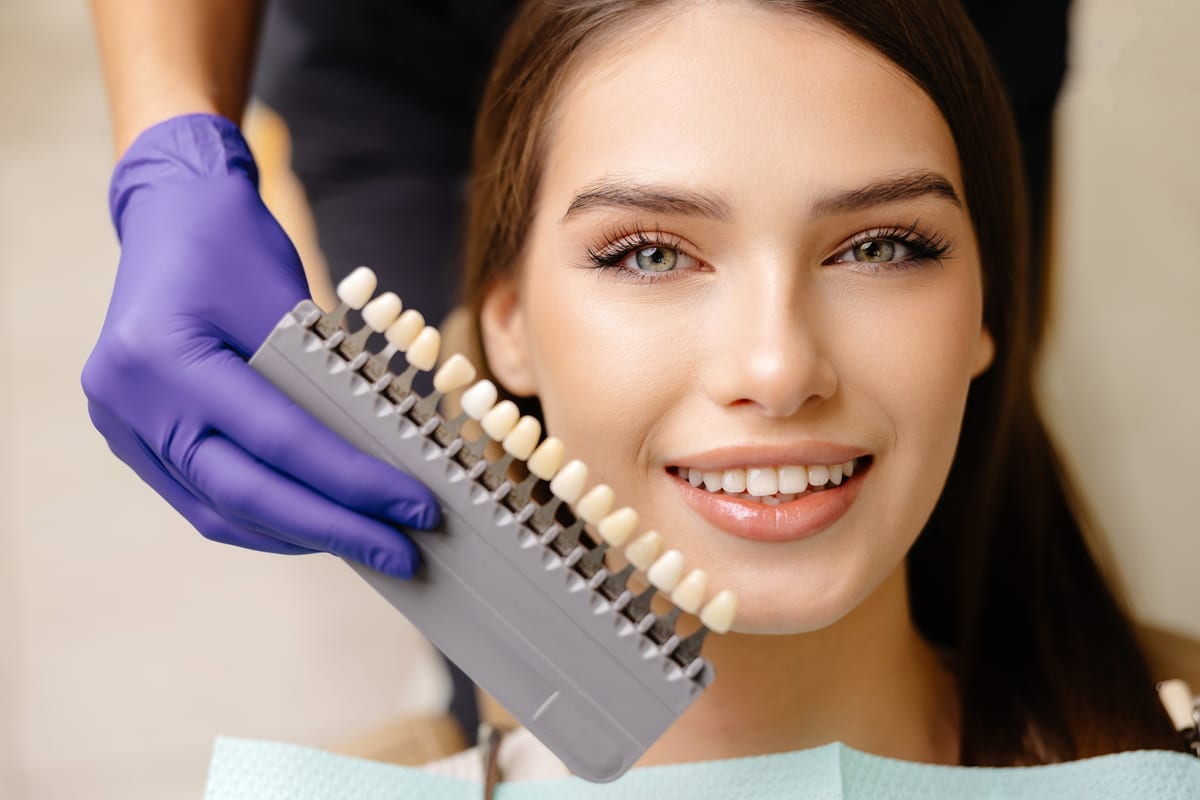
Your veneers will last 10 years if you stop doing this — and Fort Worth patients are surprised by how simple the changes really are. Porcelain veneers are one of the most rewarding investments in your smile. But even the highest-quality veneers will chip, stain, or loosen if you ignore a few critical habits. At Flossophy Dental Studio, Dr. Matthew Le helps patients protect their smiles for the long haul.
The good news? Most veneer damage is completely preventable. You just need to know what to watch for. This guide breaks down the exact habits to drop, the products that help, and the maintenance schedule that keeps your veneers looking flawless for a decade or more.
What Harms Your Veneers More Than You Realize
Many patients assume veneers are nearly indestructible. That assumption leads to habits that quietly shorten their lifespan. Veneers are made from thin porcelain or composite resin. They are strong, but they are not invincible.
Here are the most common veneer-damaging habits Fort Worth patients should eliminate:
- Biting your nails — constant pressure chips the porcelain edge
- Chewing on ice — creates micro-fractures that worsen over time
- Opening packages with your teeth — puts extreme lateral force on veneers
- Grinding your teeth at night — wears down the porcelain surface steadily
- Chewing on pens or pencils — applies uneven stress on bonded edges
Each of these habits creates stress at the bonding point. Over time, that stress loosens or cracks even well-placed veneers. Identifying your personal habits is the first step to protecting your investment.
Staining Drinks and Foods That Shorten Veneer Life in Fort Worth
Porcelain veneers resist staining better than natural teeth. However, composite veneers are more porous. Both types are affected by prolonged or repeated exposure to highly pigmented substances.
The biggest offenders include:
- Coffee and tea — dark tannins settle into micro-surface irregularities
- Red wine — deeply pigmented and acidic, a double threat
- Tomato-based sauces — high acidity softens the veneer surface slightly
- Berries and dark juices — intense natural dyes cause gradual discoloration
- Soda and energy drinks — the acid erodes bonding material at the margins
You do not need to eliminate these entirely. Simply rinse with water immediately after consuming them. Using a straw for cold beverages also limits direct contact with your veneers. Small adjustments make a measurable difference over ten years.
Hard foods are another underrated threat. Biting into crusty bread, hard candies, or raw carrots with your front veneers applies shear force. Use your back teeth to handle tougher foods whenever possible.
Products That Actually Help Protect Your Veneers
The right daily products extend veneer life significantly. The wrong ones accelerate wear without you even noticing. Choosing correctly requires understanding what ingredients to seek and which to avoid.
Toothpaste matters enormously. Avoid whitening toothpastes that contain abrasive particles. Those particles scratch porcelain surfaces over time. Instead, choose a non-abrasive, fluoride-based toothpaste formulated for sensitive or cosmetic restorations.
A soft-bristle toothbrush is equally important. Medium or hard bristles create micro-scratches on the veneer surface. Those scratches dull the finish and make staining easier. Electric toothbrushes are generally safe when used on a gentle setting.
Consider these additional protective tools:
- A custom nightguard — essential if you grind your teeth during sleep
- Non-alcohol mouthwash — alcohol-based rinses can weaken bonding adhesive
- Water flosser — cleans veneer margins without abrasive friction
- pH-neutral toothpaste — protects the bonding resin at veneer edges
Dr. Matthew Le can recommend specific products based on your veneer material. What works for porcelain may differ slightly from what works for composite. Always ask your dentist before switching products.
Why Maintenance Visits Are Non-Negotiable for Veneer Longevity
Skipping dental checkups is one of the most damaging things veneer patients can do. Professional maintenance extends veneer life in ways home care simply cannot replicate. Fort Worth patients who commit to regular visits get far more mileage from their veneers.
During your maintenance visits at Flossophy Dental Studio, Dr. Le checks several key things:
- Veneer margins for early signs of separation or decay
- Bite alignment to identify emerging grinding patterns
- Surface integrity for chips, cracks, or dullness
- Gum health around veneer edges to prevent recession
Teeth cleaning appointments also remove plaque buildup near veneer margins. That buildup, if left untreated, causes gum recession. Recession exposes the natural tooth underneath the veneer, creating aesthetic and structural problems.
Most veneer patients should schedule professional cleanings every six months. If you grind your teeth or have a history of gum issues, more frequent visits may be recommended. Catching small problems early prevents costly repairs later.
Cosmetic dentistry in Fort Worth has advanced significantly. If you have ever searched Cosmetic Dentistry Fort Worth, you already know that high-quality veneer placement and follow-up care are available locally. Choosing a practice that also offers comprehensive maintenance is key to protecting your results.
What to Do If Something Goes Wrong With Your Veneers
Even with the best care, accidents happen. A veneer can chip during a fall or crack if you bite unexpectedly into something hard. Knowing how to respond quickly minimizes damage and protects the underlying tooth.
Do not wait if a veneer chips, loosens, or falls off entirely. The exposed tooth surface is vulnerable to sensitivity, decay, and further structural damage. Prompt attention protects both the veneer and the tooth beneath it.
If you experience a dental emergency related to your veneers, contact a provider that offers Emergency Dentistry Fort Worth services right away. Dr. Matthew Le and the Flossophy Dental Studio team are equipped to handle urgent veneer concerns with care and efficiency.
In the meantime, avoid biting on the affected area. Rinse gently with warm water. If the veneer has detached, store it safely and bring it to your appointment. Never attempt to re-bond a veneer yourself with over-the-counter adhesive.
A Simple Daily Routine That Protects Your Veneers for a Decade
Building veneer-safe habits into your daily routine takes about two weeks to feel natural. Once they stick, they require almost no extra effort. Consistency is what separates patients who enjoy a decade of beautiful veneers from those who need early replacements.
Start each morning with a soft-bristle brush and non-abrasive toothpaste. Floss gently around veneer margins using waxed floss or a water flosser. Rinse with an alcohol-free mouthwash to protect the bonding resin.
After meals, rinse with water when brushing is not possible. Avoid biting nails, chewing on objects, or using your front teeth as tools. If you grind at night, wear your nightguard every single night without exception.
These steps take under five minutes per day. Combined with professional maintenance visits twice a year, this routine is everything you need to protect your veneers long-term.
Conclusion: Your Smile Investment Deserves Proper Care
Veneers are a life-changing cosmetic treatment. With the right habits and the right dental team, they can look and function beautifully for ten years or more. The difference between veneers that last and veneers that fail almost always comes down to daily choices and consistent professional care.
Dr. Matthew Le and the team at Flossophy Dental Studio in Fort Worth are passionate about helping patients protect their smile investments. Whether you are getting veneers for the first time or looking to extend the life of your current set, personalized guidance makes all the difference. Book Now to schedule your appointment with our team.
Frequently Asked Questions
How long do porcelain veneers typically last?
Porcelain veneers typically last between 10 and 15 years with proper care. Composite veneers generally last 5 to 7 years. Your daily habits and how consistently you attend professional maintenance visits have a major impact on that timeline.
Can I whiten my veneers if they start to look yellow?
Traditional whitening treatments do not work on porcelain or composite veneers. The whitening agents affect only natural tooth enamel. If your veneers appear discolored, speak with Dr. Matthew Le about professional polishing or replacement options.
Is it safe to eat normally with veneers?
Yes, you can eat most foods normally with veneers. However, you should avoid biting into extremely hard foods directly with your front veneers. Use your back teeth for harder items, and cut crunchy foods like apples into smaller pieces before eating.
Do I need a nightguard if I have veneers?
If you grind or clench your teeth during sleep, a custom nightguard is strongly recommended. Grinding creates consistent pressure that wears down the veneer surface over time. A nightguard protects both your veneers and your natural teeth from damage.
How often should veneer patients visit the dentist?
Most patients with veneers should schedule professional cleanings and checkups every six months. Patients with gum disease, grinding habits, or other risk factors may benefit from more frequent visits. Regular checkups allow Dr. Le to catch and address small issues before they become costly repairs.