$29 Emergency Exam - Walk-Ins Welcome - Same-Day Dental Appointments Available


You spent months — maybe years — wearing braces. Now your teeth look amazing. But a common question patients ask Dr. Matthew Le at Flossophy Dental Studio is this: will your braces results last forever, and what determines how long they hold in Fort Worth? The honest answer is that results can last a lifetime. However, several key factors determine whether your smile stays straight or slowly shifts back.
Understanding those factors puts you in control. This article breaks down what extends your results, what shortens them, and exactly what ongoing care looks like.
Why Teeth Shift After Braces — The Science Behind It
Your teeth never fully stop moving. Even after braces come off, the surrounding bone and tissue continue to adapt. This process is called orthodontic relapse, and it affects many patients who skip post-treatment care.
Braces move teeth by applying consistent pressure over time. Once that pressure is removed, teeth have a natural tendency to drift toward their original position. The speed of that drift depends on your biology, your age, and the habits you maintain after treatment.
Younger patients often experience faster relapse because their bone is still developing. Adult patients in Fort Worth may find their results more stable — but only with proper retention. Knowing this helps you take the right steps from day one after your braces come off.
What Shortens the Lifespan of Your Braces Results in Fort Worth
Several behaviors and conditions can cause your teeth to shift faster than expected. Being aware of them helps you avoid common mistakes after orthodontic treatment.
- Skipping your retainer: This is the number one cause of relapse. Even one week without wearing it can allow measurable movement.
- Teeth grinding (bruxism): Grinding puts constant pressure on your teeth and can push them out of alignment over time.
- Gum disease or bone loss: Weakened supporting structures make teeth more likely to shift.
- Wisdom teeth eruption: Emerging wisdom teeth can crowd the front teeth if not monitored or removed.
- Mouth breathing habits: Long-term mouth breathing changes the pressure balance in your mouth and affects tooth position.
If you notice any of these issues developing, reach out to your dental team promptly. Early intervention prevents small problems from becoming major corrections.
What Extends Your Results — Building a Lasting Straight Smile
The good news is that smart habits can keep your smile straight for decades. Patients who follow through on post-treatment care in Fort Worth consistently see long-lasting results.
Wearing your retainer as prescribed is the single most powerful step you can take. Most orthodontists recommend nightly wear for life once the initial intensive retention phase ends. It takes only a few seconds each night and protects years of work.
Routine dental checkups also play a major role. Dr. Matthew Le and the team at Flossophy Dental Studio monitor your bite, gum health, and alignment at every visit. Early detection of any shifting allows for quick, minor corrections before they become significant.
- Wear your retainer every night: Consistency is everything — even occasional skipping adds up.
- Schedule regular cleanings: Healthy gums support stable tooth position long-term.
- Address grinding early: A custom nightguard protects your alignment while you sleep.
- Stay hydrated and maintain oral hygiene: A healthy oral environment supports stable bone and tissue.
- Monitor wisdom teeth: Ask your dentist whether extraction is advisable for your situation.
These steps are simple, but their cumulative impact on your smile’s longevity is significant. Building them into your daily routine is the most reliable investment you can make.
The Role of Retainers in Long-Term Orthodontic Success
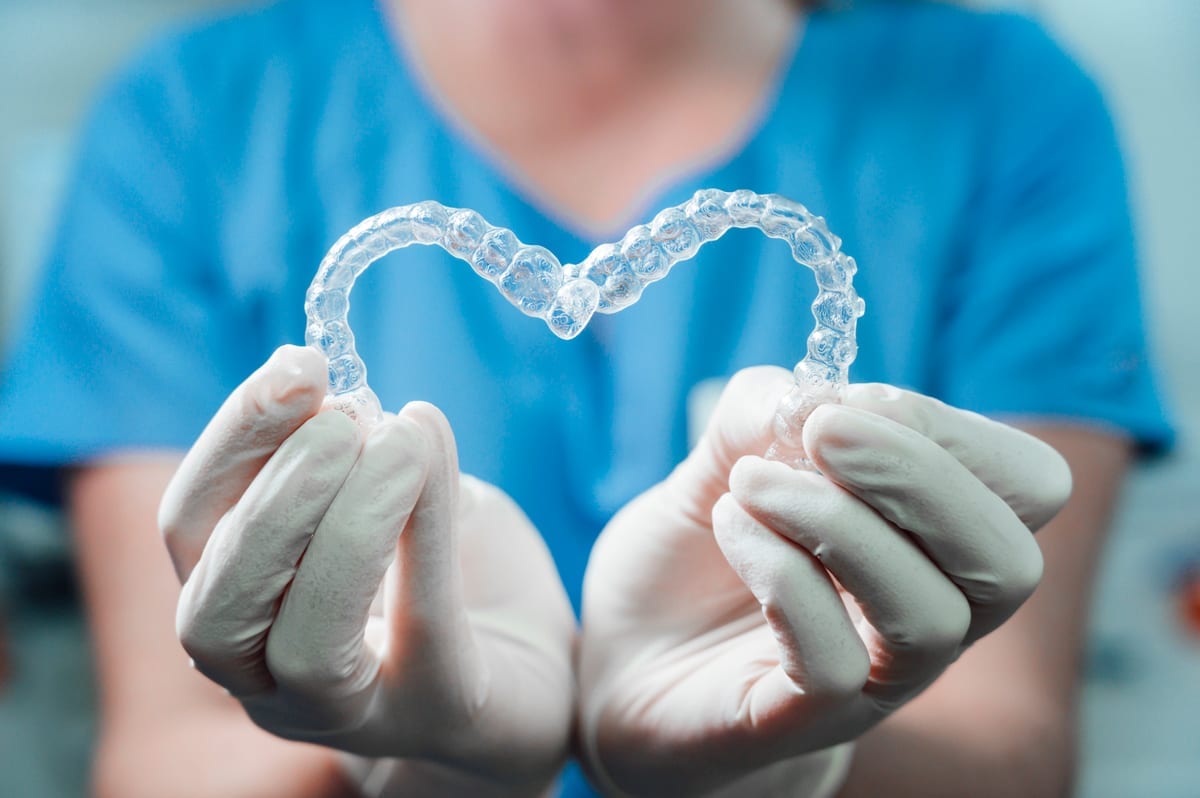
Retainers are not optional accessories — they are essential tools for maintaining your results. After braces, your teeth are in new positions, but the surrounding tissue needs time to stabilize. That process takes months, sometimes longer.
There are two main types of retainers used after braces. Removable retainers are worn at night and are easy to clean. Fixed retainers are bonded behind the teeth and work passively around the clock without any effort on your part.
Many patients in Fort Worth benefit from a combination of both. Your orthodontic or general dentist team will recommend the best option based on your case. Whatever type you use, consistent wear determines whether your braces results truly last.
Lost or broken retainers should be replaced immediately. Even a few days without one can allow noticeable movement in some patients. Contact Flossophy Dental Studio as soon as possible if yours is damaged or missing.
When to Seek Help — Signs Your Results May Be Slipping
Relapse does not always happen overnight. It often starts subtly, with small gaps or minor crowding reappearing. Catching it early makes correction far easier and less invasive.
Watch for these warning signs after your braces treatment ends:
- Your retainer feels tight when you put it in
- You notice spacing opening between your front teeth
- Your bite feels different when chewing
- You experience increased jaw tension or soreness
If your retainer no longer fits, do not force it. Wearing an ill-fitting retainer can actually cause damage. Instead, contact your dental team right away for an assessment and a replacement fitting.
For urgent dental concerns that arise between appointments — such as a broken retainer or sudden tooth pain — Emergency Dentistry Fort Worth services at Flossophy Dental Studio are available to help you quickly. Prompt care protects both your oral health and your orthodontic investment.
If shifting has already occurred and you are considering aesthetic improvements alongside correction, Cosmetic Dentistry Fort Worth options may complement your orthodontic plan beautifully.
Conclusion: Your Smile’s Future Is in Your Hands
Braces do the hard work of moving your teeth into the right position. But keeping them there is a lifelong commitment — one that is entirely manageable with the right habits. Consistent retainer use, regular dental visits, and early intervention when problems arise are the three pillars of long-lasting orthodontic results.
Dr. Matthew Le and the team at Flossophy Dental Studio in Fort Worth are here to support your smile at every stage — from active treatment through lifelong maintenance. You worked hard for your straight smile. Let us help you keep it. Book Now to schedule your appointment with our team.
Frequently Asked Questions
How long do braces results typically last?
With consistent retainer use and good oral hygiene, braces results can last a lifetime. Most relapse occurs in patients who stop wearing their retainer. Regular dental checkups in Fort Worth also help catch any early shifting before it becomes a problem.
How often should I wear my retainer after braces?
During the first several months after treatment, most patients wear their retainer full-time except when eating or brushing. After that phase, nightly wear is typically recommended indefinitely. Your dental team at Flossophy Dental Studio will give you a schedule tailored to your case.
Can teeth shift years after braces?
Yes, teeth can shift at any point in life — even decades after orthodontic treatment. This is why lifelong retainer wear is so important. Natural aging, gum changes, and habits like grinding can all contribute to gradual movement over time.
What should I do if my retainer no longer fits?
Do not attempt to force a retainer that no longer fits — this can cause injury or further shifting. Contact Flossophy Dental Studio as soon as possible for a replacement fitting. The sooner you address a poor-fitting retainer, the less correction you may need.
Does teeth grinding affect my braces results?
Yes. Grinding places uneven pressure on your teeth and can gradually push them out of alignment. If you grind your teeth, a custom nightguard can protect both your alignment and your overall dental health. Ask Dr. Matthew Le about nightguard options at your next visit.