$29 Emergency Exam - Walk-Ins Welcome - Same-Day Dental Appointments Available

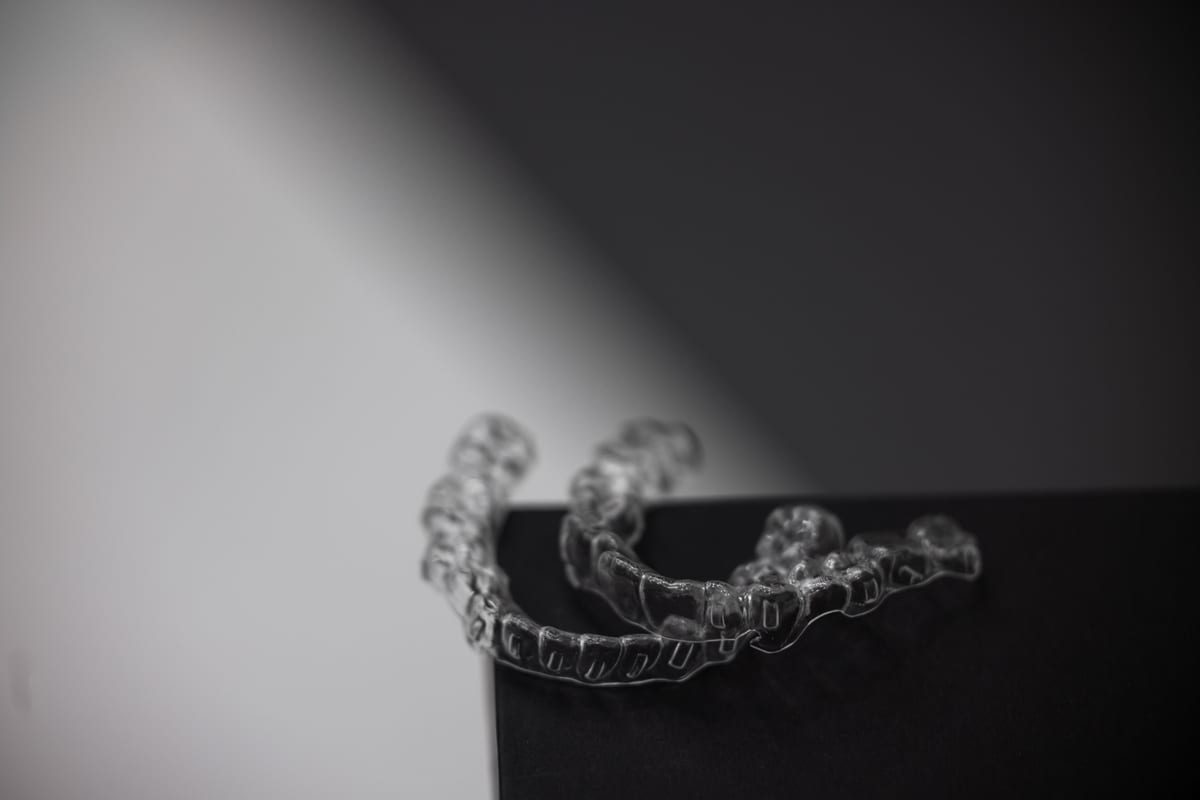
You’ve finished your Invisalign treatment — congratulations! Your smile looks amazing, and you’re finally done wearing those aligners. But here’s something many patients in Watauga don’t realize: finishing Invisalign is not the finish line. Understanding what happens to your teeth after Invisalign stops in Watauga is just as important as the treatment itself. Without the right follow-up care, your hard-earned results can quietly slip away.
Why Your Teeth Don’t Stay Put After Invisalign in Watauga
Your teeth are not fixed objects. They sit in a flexible tissue called the periodontal ligament. This ligament has memory — it wants to return your teeth to where they started. Orthodontists call this process relapse, and it can begin surprisingly quickly after treatment ends.
During Invisalign, your aligners apply steady pressure to guide your teeth. Once that pressure stops, nothing is holding your teeth in their new positions. Your jaw bone needs time to solidify around the roots. This solidification process can take months — sometimes even longer.
Patients who skip retention often notice shifting within weeks. Small gaps may reappear. Crowding can creep back in. The changes start subtle, but they build over time if left unaddressed.
What Happens to Your Teeth After Invisalign Stops — The Role of Retainers
Retainers are the answer to relapse. They hold your teeth exactly where Invisalign left them. Think of them as the maintenance phase of your orthodontic journey. Without a retainer, all that time and effort becomes vulnerable to reversal.
There are two main types of retainers your dentist may recommend:
- Removable retainers — These look similar to Invisalign trays. You wear them at night and remove them to eat and brush.
- Fixed retainers — A thin wire is bonded to the back of your teeth. You cannot remove it yourself, and it works around the clock.
- Hawley retainers — A traditional acrylic and wire design that is adjustable and durable.
- Essix retainers — A clear, custom-fit plastic tray that is nearly invisible when worn.
Your dentist at Flossophy Dental Studio of Haltom City will recommend the right type for your specific bite and lifestyle. Both options are effective when used consistently.
How Long Do You Actually Need to Wear a Retainer?
This is one of the most common questions patients ask after finishing Invisalign. The short answer: for a very long time. Most dental professionals recommend full-time wear for the first few months after treatment. After that, nightly wear becomes the standard long-term plan.
Here is a general timeline many patients follow:
- Months 1–6: Wear your retainer as much as possible — typically 20–22 hours per day.
- Months 6–12: Transition to nighttime-only wear as directed by your dentist.
- Year 1 and beyond: Continue nightly wear indefinitely to protect your results.
Some people are surprised that retainer wear never truly ends. But consider the alternative — letting your smile shift back after investing in Invisalign. Nightly retainer wear becomes a simple habit that protects a long-term investment.
Life happens, and retainers can crack, warp, or get lost. If yours stops fitting properly, contact your dentist right away. Forcing an ill-fitting retainer can actually cause more harm than good.
What Happens If You Stop Wearing Your Retainer Too Soon
Skipping retainer wear, even for a few weeks, can lead to noticeable changes. Teeth begin shifting back toward their original positions almost immediately after Invisalign stops. The younger you are, the faster this can happen. But it affects patients of all ages in Watauga and beyond.
Here are the most common consequences of skipping retainer use:
- Crowding returns, especially in the lower front teeth
- Gaps reappear between teeth that were previously closed
- Bite alignment shifts, which can cause jaw discomfort
- Retainers stop fitting, requiring new ones or even retreatment
- You may need to repeat Invisalign or explore other corrective options
Retreatment is costly and time-consuming. Consistent retainer use is far simpler than going through the full Invisalign process again. Protecting your results starts the moment your last aligner comes off.
How Flossophy Dental Studio of Haltom City Supports You After Invisalign
Dr. Matthew Le and the team at Flossophy Dental Studio of Haltom City understand that post-treatment care is just as important as the treatment itself. Patients from Watauga, TX trust our practice to guide them through every phase of their smile journey. We don’t just hand you a retainer and send you home — we make sure you understand how to use it and when to return for check-ins.
Our practice offers a full range of services beyond clear aligner therapy. If a dental emergency arises during your retention phase, our Emergency Dentistry services are available to help you quickly. We also offer Cosmetic Dentistry options to complement your newly aligned smile, from teeth whitening to other aesthetic enhancements.
We believe in long-term relationships with our patients. Your smile doesn’t stop being our priority when Invisalign ends. We stay involved to make sure your results last for years to come.
Conclusion: Protect the Smile You Worked For
Finishing Invisalign is a milestone worth celebrating. But the work isn’t completely over. Understanding what happens to your teeth after Invisalign stops in Watauga helps you make smart choices about retention. Wearing your retainer consistently is the single most important step you can take to preserve your results. It’s simple, it’s effective, and it protects everything you’ve invested. Book Now to schedule your appointment with our team.
Frequently Asked Questions
How soon after Invisalign do I need to start wearing a retainer?
You should begin wearing your retainer immediately after your final Invisalign tray. Your dentist will fit you for a retainer at or before your last aligner appointment. Even a short gap in retention can allow shifting to begin. Don’t wait — the first few weeks after Invisalign are the most critical.
Can I skip wearing my retainer on some nights?
Occasional missed nights can lead to minor shifting over time. During the first year especially, consistency is very important. If you notice your retainer feels tighter after a missed night, that’s a sign movement has already started. Try to make nightly retainer wear a non-negotiable habit.
What should I do if my retainer breaks or gets lost?
Contact your dentist as soon as possible. Do not wait until your next scheduled visit. The longer you go without a retainer, the more your teeth may shift. Your dentist can create a new retainer quickly, and in some cases, a temporary solution may be available right away.
Is it normal for a retainer to feel tight when I put it in?
Some tightness is normal, especially after not wearing your retainer for a day or two. However, significant tightness or pain is a warning sign. It may mean your teeth have shifted enough that the retainer no longer fits correctly. Visit your dentist to have it checked before continuing to use it.
Do I really have to wear a retainer forever?
Most orthodontic professionals recommend indefinite nightly retainer wear for long-term results. Teeth can continue to shift throughout your lifetime due to natural aging and jaw changes. Nightly wear quickly becomes a simple routine. Protecting your Invisalign investment is well worth this small daily habit.