$29 Emergency Exam - Walk-Ins Welcome - Same-Day Dental Appointments Available

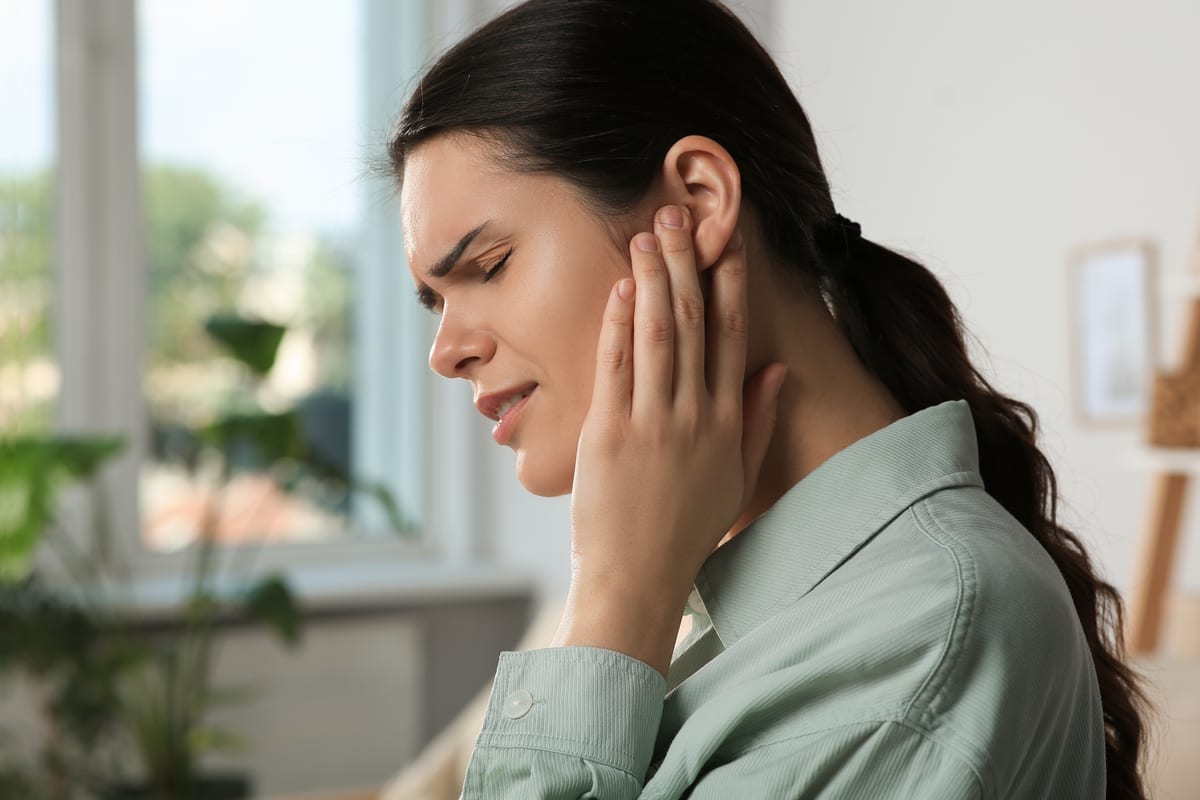
If you wake up with a sore jaw or a dull headache, you may already know something is wrong. Many Haltom City residents quietly suffer through teeth grinding without realizing how serious it can become. Breaking the bruxism cycle — and understanding why your jaw pain keeps getting worse in Haltom City — starts with knowing how grinding and joint damage feed each other. At Flossophy Dental Studio of Haltom City, Dr. Matthew Le helps patients interrupt this painful cycle before it causes lasting harm.
What Is the Bruxism Cycle and Why Does It Matter?
Bruxism is the clinical term for grinding or clenching your teeth. Most people do it unconsciously, often during sleep. The problem is not just the grinding itself — it is what happens after.
Every grinding episode puts enormous pressure on your jaw joints, known as the temporomandibular joints or TMJ. Over time, that pressure inflames the joint tissues. Inflamed joints feel tight, uncomfortable, and unstable.
When your jaw feels unstable, your muscles respond by tensing up. That muscle tension actually triggers more clenching. You grind because your jaw hurts, and your jaw hurts because you grind. This is the bruxism cycle — and without treatment, it only escalates.
How Bruxism Damages Your Teeth and Jaw Joint Over Time
The physical damage from chronic bruxism builds gradually. Many patients do not notice it until the symptoms become impossible to ignore. Here is what prolonged grinding does to your oral health:
- Wears down tooth enamel, making teeth shorter and more sensitive
- Cracks or chips teeth, sometimes requiring restorative treatment
- Strains the TMJ disc, leading to clicking, popping, or locking
- Causes chronic headaches, especially in the morning
- Creates radiating pain in the neck, shoulders, and ears
- Accelerates gum recession by placing uneven force on teeth
Once the TMJ disc shifts or wears down, even basic jaw movements become painful. Chewing, yawning, and talking can trigger sharp discomfort. At that point, the cycle becomes much harder to break without professional help.
Why Jaw Pain Triggers Even More Grinding in Haltom City Patients
This is the part most patients find surprising. Jaw pain is not just a symptom of bruxism — it is also a cause. When your TMJ is inflamed or misaligned, your brain perceives the joint as a threat. Your nervous system responds with protective muscle guarding.
That guarding means your jaw muscles stay contracted, even when they should relax. Contracted muscles clench. Clenching creates more pressure on the already-damaged joint. The pain signals intensify, and your body guards harder. The cycle repeats on a loop.
Stress makes everything worse. Many Haltom City residents carry high daily stress loads, and stress is one of the strongest known triggers for bruxism. Anxiety activates the same muscle-tension response, feeding directly into the grinding cycle even during waking hours.
Sleep quality also plays a role. Poor sleep increases cortisol, a stress hormone that heightens muscle reactivity. If bruxism is disrupting your sleep, that disrupted sleep then worsens the bruxism. Another loop within the larger cycle.
How Dr. Matthew Le Helps Break the Bruxism Cycle
Interrupting this cycle requires addressing both the mechanical and behavioral components. Dr. Le takes a comprehensive approach at Flossophy Dental Studio of Haltom City. Treatment is not one-size-fits-all — it depends on how advanced the damage is and what is driving the grinding.
Common treatment options include:
- Custom night guards: A precisely fitted oral appliance cushions teeth and repositions the jaw to reduce grinding force during sleep
- Occlusal adjustments: Correcting bite imbalances that place uneven stress on the TMJ
- Restorative care: Rebuilding worn or cracked teeth to restore proper bite function
- Stress management referrals: Coordinating with healthcare providers when anxiety is a primary driver
- Clear Aligners: Correcting misalignment that contributes to abnormal bite pressure
For patients experiencing sudden or severe jaw pain, prompt care matters. Our team offers Emergency Dentistry Haltom City for urgent dental concerns, including acute TMJ flare-ups that need immediate attention.
When bruxism has already worn down teeth visibly, cosmetic and restorative solutions can rebuild your smile. Cosmetic Dentistry Haltom City options help restore both function and appearance after years of grinding damage.
Signs You Should See Dr. Le Sooner Rather Than Later
Many people delay treatment because they assume jaw pain will go away on its own. Unfortunately, with bruxism, waiting typically allows more damage to accumulate. Watch for these warning signs:
- Jaw stiffness or soreness every morning
- Teeth that feel suddenly sensitive to hot or cold
- Visible flattening or chipping on tooth surfaces
- Clicking or popping sounds when opening your mouth
- Frequent tension headaches with no clear cause
- Difficulty opening your mouth fully
If you recognize two or more of these symptoms, schedule an evaluation. Early intervention is far simpler and less costly than treating advanced TMJ damage or severely worn teeth.
Practical Steps You Can Take Right Now
While professional treatment is essential, there are small daily habits that can reduce grinding intensity. These steps support your clinical care but do not replace it.
Try applying a warm compress to your jaw for 10 minutes before bed. Warmth relaxes the masseter muscles that drive clenching. Avoid chewing gum throughout the day — constant chewing fatigue inflames an already-irritated TMJ.
Reduce caffeine intake, especially in the afternoon and evening. Caffeine increases muscle excitability and can worsen nighttime grinding. Practice diaphragmatic breathing or progressive muscle relaxation before sleep to lower overall tension levels.
Remember — these habits help, but they cannot reverse structural damage or realign a displaced TMJ disc. They work best as complements to a professionally designed treatment plan.
Frequently Asked Questions
Can bruxism go away on its own without treatment?
Mild, stress-related bruxism sometimes improves when the underlying stressor resolves. However, once joint damage or significant tooth wear has occurred, those changes do not reverse without clinical intervention. Most patients benefit from professional evaluation to assess how much damage has already occurred and whether protective treatment is needed.
Is a night guard enough to stop the bruxism cycle?
A custom night guard is one of the most effective tools for protecting teeth and reducing joint strain during sleep. However, it manages the symptoms rather than eliminating the root cause. Dr. Le often combines a night guard with other treatments — such as bite correction or stress reduction strategies — to address the full cycle more effectively.
How do I know if my jaw pain is from TMJ or something else?
TMJ-related jaw pain typically presents alongside other bruxism signs, such as tooth wear, morning headaches, or joint sounds. Pain from other sources — like a tooth abscess or sinus infection — tends to have different patterns. A thorough dental examination, including X-rays and jaw assessment, helps Dr. Le pinpoint the exact cause of your discomfort.
Can teeth grinding cause permanent damage?
Yes. Chronic bruxism can permanently wear down enamel, which does not regenerate on its own. It can also cause irreversible damage to the TMJ disc and surrounding tissues. The sooner treatment begins, the less total damage accumulates. Restorative options are available to rebuild teeth that have already been affected.
What age groups are most affected by bruxism?
Bruxism affects people of all ages, including children. In adults, it is most commonly linked to stress, anxiety, sleep disorders, and bite misalignment. Dr. Le evaluates patients of all ages at Flossophy Dental Studio of Haltom City and tailors treatment recommendations based on each patient’s specific situation and history.
Breaking the bruxism cycle in Haltom City is absolutely possible with the right guidance and care. Dr. Matthew Le and the team at Flossophy Dental Studio of Haltom City are here to help you move from pain and frustration toward lasting relief. Book Now to schedule your appointment with our team.