$29 Emergency Exam - Walk-Ins Welcome - Same-Day Dental Appointments Available


If your dentist has mentioned both crowns and veneers, you might be wondering which one you actually need. Understanding crowns vs. veneers — and which one your tooth actually needs in Haltom City — starts with knowing how each restoration works. These are two very different treatments with very different clinical purposes. At Flossophy Dental Studio of Haltom City, Dr. Matthew Le helps patients understand the reasoning behind each recommendation.
What Is the Core Difference Between a Crown and a Veneer?
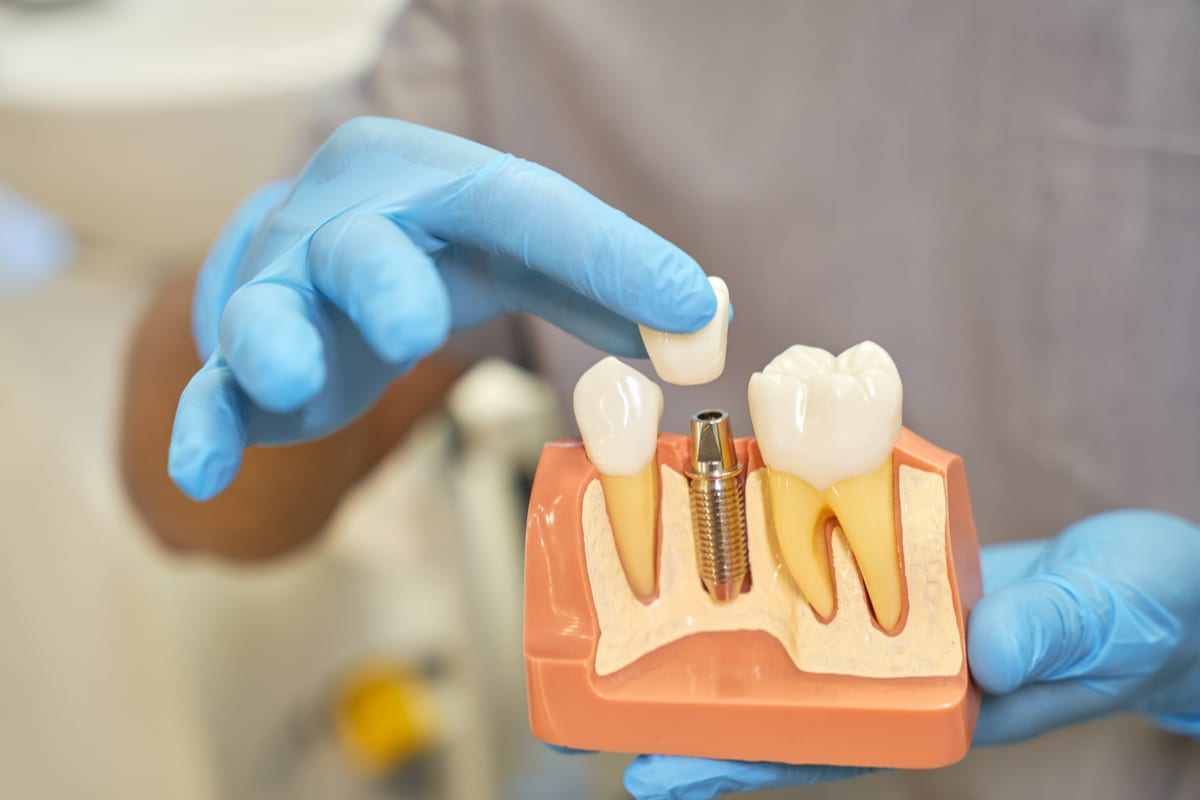
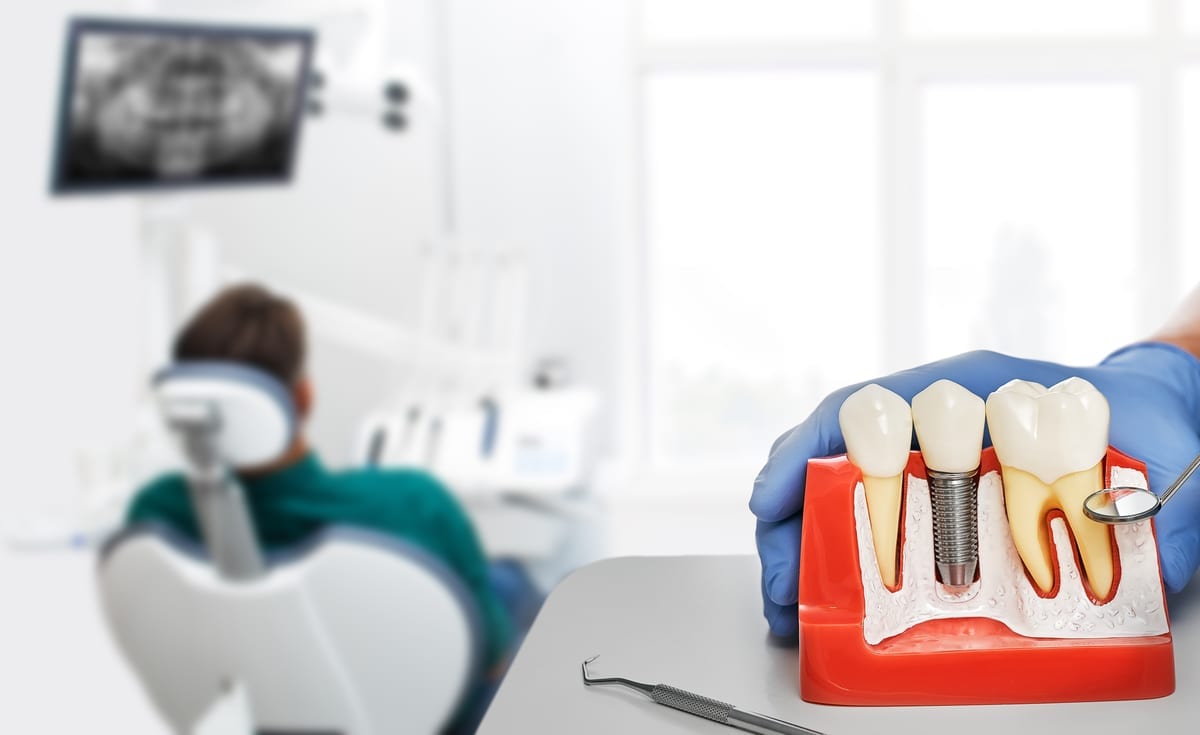
A dental crown covers the entire tooth. It wraps around all sides — front, back, and biting surface. Dentists use crowns when a tooth needs structural protection or full restoration.
A veneer, on the other hand, is a thin shell. It only covers the front-facing surface of a tooth. Veneers are part of Cosmetic Dentistry Haltom City and are designed to improve appearance rather than restore function.
This distinction is the most important starting point. A crown is a restorative tool. A veneer is primarily a cosmetic one. Your dentist chooses based on the health and condition of your tooth — not personal preference.
When Does a Tooth Actually Need a Crown?
Crowns become necessary when a tooth has lost significant structure. This can happen for several reasons. Dr. Le typically recommends a crown in these situations:
- A large cavity that removes too much healthy tooth material
- A cracked or fractured tooth that risks splitting further
- A tooth that has had a root canal treatment
- A severely worn-down tooth from grinding
- A broken cusp that leaves the tooth vulnerable
- A tooth supporting a dental bridge
In each of these cases, the tooth cannot function safely without full coverage. A veneer would not provide enough protection. The crown surrounds the entire tooth and holds it together under biting pressure.
Crowns are also used after trauma. If a tooth chips badly or breaks at the gumline, a veneer simply cannot restore it. The structural demand requires a full crown instead.
When Is a Veneer the Right Choice?
Veneers work best when the underlying tooth is healthy and strong. They address surface-level concerns — things that affect how a tooth looks but not how it functions. Common reasons a dentist recommends veneers include:
- Permanent staining that does not respond to whitening
- Minor chips on the front teeth
- Slight gaps between front teeth
- Mild crowding or uneven tooth shapes
- Teeth that appear too short or worn at the edges
Because veneers only cover the front surface, they require removing a small amount of enamel. This makes the process irreversible. That is why Dr. Le only recommends veneers when the tooth is structurally sound enough to support them.
If a tooth already has a large filling, decay, or damage beneath the surface, a veneer would not hold properly over time. In those cases, a crown becomes the more appropriate choice.
How Dr. Matthew Le Decides Which One You Need in Haltom City
The decision is never made by appearance alone. Dr. Le takes X-rays and examines the tooth from every angle before recommending a treatment. He considers how much natural tooth structure remains. He also looks at your bite, your grinding habits, and the overall health of surrounding teeth.
Here is a simple way to understand the thinking. If a tooth needs protection and strength, a crown is the answer. If a tooth needs a cosmetic refresh and is otherwise healthy, a veneer may work well. The goal is always to choose the least invasive option that fully solves the problem.
Sometimes patients come in wanting veneers but have underlying decay or cracks. In those situations, Dr. Le will address the structural issues first. Placing a veneer over a compromised tooth would lead to failure and additional treatment down the road.
Patients dealing with urgent dental pain or a broken tooth may also need to consider an Emergency Dentistry Haltom City visit before any restorative decision is made. Getting the tooth stable comes first.
Can You Get Both? Understanding Combined Treatment Plans
Some patients end up with both crowns and veneers — just on different teeth. This is actually quite common in smile makeover cases. A back molar with a cracked cusp might receive a crown. The front teeth, which are healthy but discolored, might receive veneers.
Dr. Le designs each treatment plan tooth by tooth. There is no single solution that applies to an entire mouth. Your specific dental history, bite, and goals all shape the plan. Understanding the clinical reasoning helps you ask better questions and feel more confident in the recommendation.
Both treatments are long-lasting when properly cared for. Crowns typically last 10 to 15 years or more. Veneers, with good oral hygiene, can last 10 to 12 years. Regular cleanings and checkups at Flossophy Dental Studio help extend the life of both restorations.
Frequently Asked Questions
Is a crown more painful to get than a veneer?
Neither procedure should be painful during the appointment. Both use local anesthesia to keep you comfortable. Some patients experience mild sensitivity afterward, but this typically fades within a few days. Dr. Le and the team at Flossophy Dental Studio prioritize patient comfort throughout every procedure.
Will a veneer fix a cracked tooth?
It depends on the severity of the crack. A superficial surface crack on an otherwise healthy tooth may be addressed with a veneer. A crack that extends deeper into the tooth structure requires a crown to prevent further damage. Your dentist will evaluate the crack under magnification and with X-rays before recommending a solution.
Do veneers look more natural than crowns?
Both modern crowns and veneers are made from tooth-colored materials like porcelain. When placed correctly by an experienced dentist, both restorations blend seamlessly with surrounding teeth. The key is proper shade matching and shaping — something Dr. Le takes great care with for every patient.
How long does each procedure take?
Both crowns and veneers typically require two appointments. The first visit involves preparing the tooth and taking impressions. A temporary restoration is placed while the permanent one is made in a dental lab. The second appointment involves bonding the final restoration in place. Each visit usually takes about one to two hours.
What happens if I delay getting a crown my dentist recommended?
Delaying a crown can lead to worsening damage. A cracked or weakened tooth may split further, making restoration more complex or even impossible. In some cases, an untreated tooth may eventually require extraction. Acting promptly on your dentist’s recommendation protects the tooth and keeps treatment simpler and more affordable long-term.
If you have questions about whether a crown or veneer is right for your tooth, the team at Flossophy Dental Studio of Haltom City is here to help. Dr. Matthew Le takes time to explain every recommendation clearly. Book Now to schedule your appointment with our team.