$29 Emergency Exam - Walk-Ins Welcome - Same-Day Dental Appointments Available

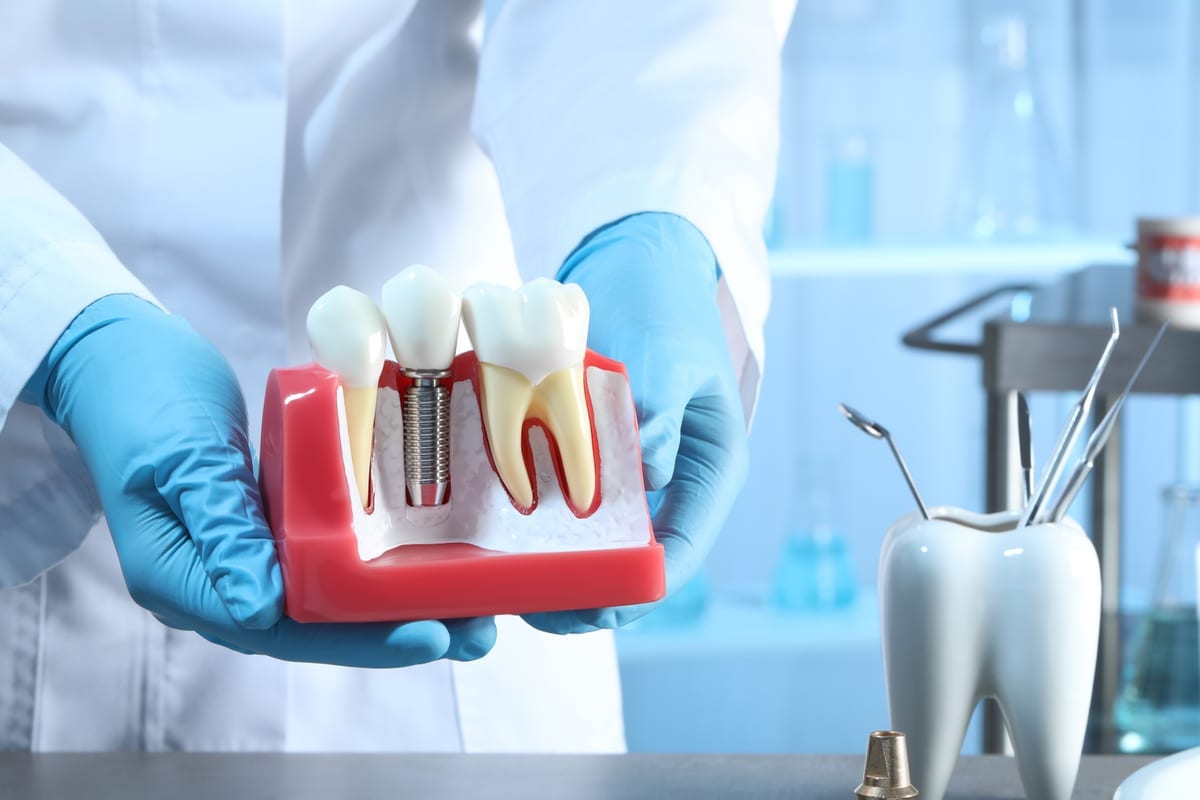
If you live in Blue Mound and you’re considering dental implants, you probably have one big question: what happens after the procedure? Understanding what your dental implant recovery actually looks like week by week in Blue Mound can ease anxiety and help you prepare. Recovery is not one-size-fits-all, but there is a general pattern most patients follow. Dr. Matthew Le at Flossophy Dental Studio wants you to feel confident and informed every step of the way.
Week One: Managing Discomfort and Protecting the Implant Site
The first week after implant placement is the most intense part of recovery. You will likely experience swelling, mild bleeding, and soreness around the surgical site. These reactions are completely normal and expected. Most patients describe the discomfort as manageable with over-the-counter pain relievers.
Dr. Le typically recommends applying an ice pack to your cheek in 20-minute intervals during the first 48 hours. This reduces swelling significantly. Avoid touching the site with your tongue or fingers. Keep your head elevated, even while sleeping, to minimize puffiness.
Eating soft foods is essential during this week. Stick to options like:
- Yogurt and smoothies
- Mashed potatoes and soft-cooked eggs
- Applesauce and lukewarm soup
- Oatmeal and soft-cooked pasta
Avoid hot liquids, crunchy foods, and anything that requires heavy chewing. Do not use a straw, as suction can disturb the clot at the implant site. Rinsing gently with warm salt water after meals helps keep the area clean.
Weeks Two Through Four: Early Healing in Blue Mound Patients
By the second week, most Blue Mound patients notice a significant reduction in swelling and pain. The gum tissue begins to close around the implant. You may still feel some tenderness when chewing, but it should improve daily.
You can slowly reintroduce softer solid foods during this phase. Think scrambled eggs, soft fish, and well-cooked vegetables. Continue avoiding hard, chewy, or crunchy foods. The implant site is still healing beneath the surface, even if it feels better on the outside.
Oral hygiene becomes especially important now. Brush carefully around the implant with a soft-bristled toothbrush. Avoid aggressive flossing near the site until Dr. Le gives you the go-ahead. Keeping the surrounding teeth clean protects the healing implant from bacterial infection.
Watch for any signs that something is not right, including:
- Increasing pain instead of decreasing pain
- Pus or unusual discharge around the implant
- A loose feeling in the implant area
- Fever or significant swelling returning after it had improved
If you notice any of these warning signs, contact Flossophy Dental Studio right away. Prompt attention through Emergency Dentistry can prevent complications from escalating.
Months One Through Three: Osseointegration — The Critical Phase
This stage is where the real magic happens. Osseointegration is the process where your jawbone fuses directly to the titanium implant post. It sounds dramatic, but it happens gradually and without discomfort for most patients. This fusion is what makes dental implants so durable and long-lasting.
During this phase, your lifestyle choices matter a great deal. Smoking significantly slows osseointegration and raises the risk of implant failure. Avoid tobacco products entirely if possible. Alcohol can also interfere with healing, so limit consumption during this period.
You can typically resume most normal foods by the end of month one. However, very hard foods like ice, hard candy, or crusty bread should still be avoided until osseointegration is confirmed. Dr. Le will use X-rays at follow-up appointments to assess bone integration progress.
Physical activity can gradually return after the first week, but avoid contact sports or strenuous exercise immediately following surgery. Increased blood pressure from intense workouts can cause bleeding at the implant site early on. Light walking is encouraged from day two or three onward.
Months Three Through Six and Beyond: Long-Term Care for Your Implant
Once osseointegration is complete, your permanent crown is placed on top of the implant. This is an exciting milestone for most patients. Your smile looks natural, feels strong, and functions just like a real tooth. The journey from implant placement to final crown takes roughly three to six months for most people.
Long-term success depends on how well you care for your implant. Dental implants do not get cavities, but the surrounding gum tissue can still develop disease. Gum disease around an implant is called peri-implantitis, and it is the leading cause of implant failure. Consistent oral hygiene is your best defense.
Here are the key long-term care habits Dr. Le recommends:
- Brush twice daily with a soft-bristled toothbrush
- Floss daily using implant-safe floss or a water flosser
- Attend regular professional cleanings every six months
- Avoid chewing on ice or extremely hard objects
- Wear a night guard if you grind your teeth while sleeping
With proper care, dental implants can last 20 years or more. Many patients at Flossophy Dental Studio treat their implants as a lifelong investment in their smile. Combined with Cosmetic Dentistry options, implants can be part of a complete smile transformation.
Tips for a Smoother Recovery Specific to the Blue Mound Area
Living in Blue Mound means you have easy access to Flossophy Dental Studio in nearby Fort Worth. This proximity makes follow-up appointments simple and stress-free. Staying close to your dental team during recovery gives you quick access if any concerns arise.
Stock your kitchen before your procedure. Having soft, nutritious foods ready at home removes one stressor from your recovery week. Bone broth, Greek yogurt, hummus, and protein shakes are excellent options. Good nutrition supports faster tissue healing at the cellular level.
Rest is genuinely important during the first 48 to 72 hours. Plan to take at least two days off from work if your job is physically demanding. Even desk workers benefit from limiting screen time and reducing stress during the first week. Your body heals faster when it is not under constant pressure.
Your Next Step Toward a Confident Smile
Knowing what your dental implant recovery actually looks like week by week in Blue Mound helps you feel prepared rather than anxious. Every stage of healing serves a purpose. From the first days of rest and soft foods to the final placement of your crown, each step brings you closer to a restored, confident smile.
Dr. Matthew Le and the team at Flossophy Dental Studio are here to guide you through every phase of your implant journey. You will never have to guess what comes next or wonder if something is normal. Our team answers questions promptly and keeps your recovery on track.
Ready to take the first step toward a stronger, healthier smile? Book Now to schedule your appointment with our team.
Frequently Asked Questions
How long does dental implant recovery take for most patients?
Most patients experience initial healing within one to two weeks. Full osseointegration, where the bone fuses to the implant, takes three to six months. The final crown is typically placed after this fusion is confirmed by X-ray. Total treatment time varies based on your bone density and overall health.
What foods should I avoid after getting a dental implant?
Avoid hard, crunchy, chewy, or sticky foods for the first several weeks. Foods like nuts, raw carrots, hard candy, and crusty bread can put stress on the healing implant. Stick to soft, nutrient-rich options like smoothies, yogurt, mashed vegetables, and soft-cooked proteins. Your diet can gradually return to normal as healing progresses.
Is it normal to have swelling and pain after implant surgery?
Yes, mild to moderate swelling and discomfort are completely normal after implant placement. These symptoms typically peak within 48 hours and improve steadily after that. Ice packs and over-the-counter pain relievers manage most discomfort effectively. Contact Dr. Le if pain worsens after the first few days instead of improving.
Can I brush my teeth normally after a dental implant?
You should brush your other teeth as normal, but be very gentle around the implant site. Use a soft-bristled toothbrush and avoid pressing directly on the surgical area in the first two weeks. Dr. Le will give you specific guidance on when to resume normal brushing and flossing near the implant. Keeping surrounding teeth clean is important for protecting the healing site.
When can I return to exercise after dental implant surgery?
Light walking is usually safe two to three days after surgery. Avoid strenuous workouts, heavy lifting, or contact sports for at least one to two weeks. Intense physical activity raises blood pressure and can cause bleeding at the implant site. Always follow the specific guidance Dr. Le provides based on your individual healing progress.