$29 Emergency Exam - Walk-Ins Welcome - Same-Day Dental Appointments Available

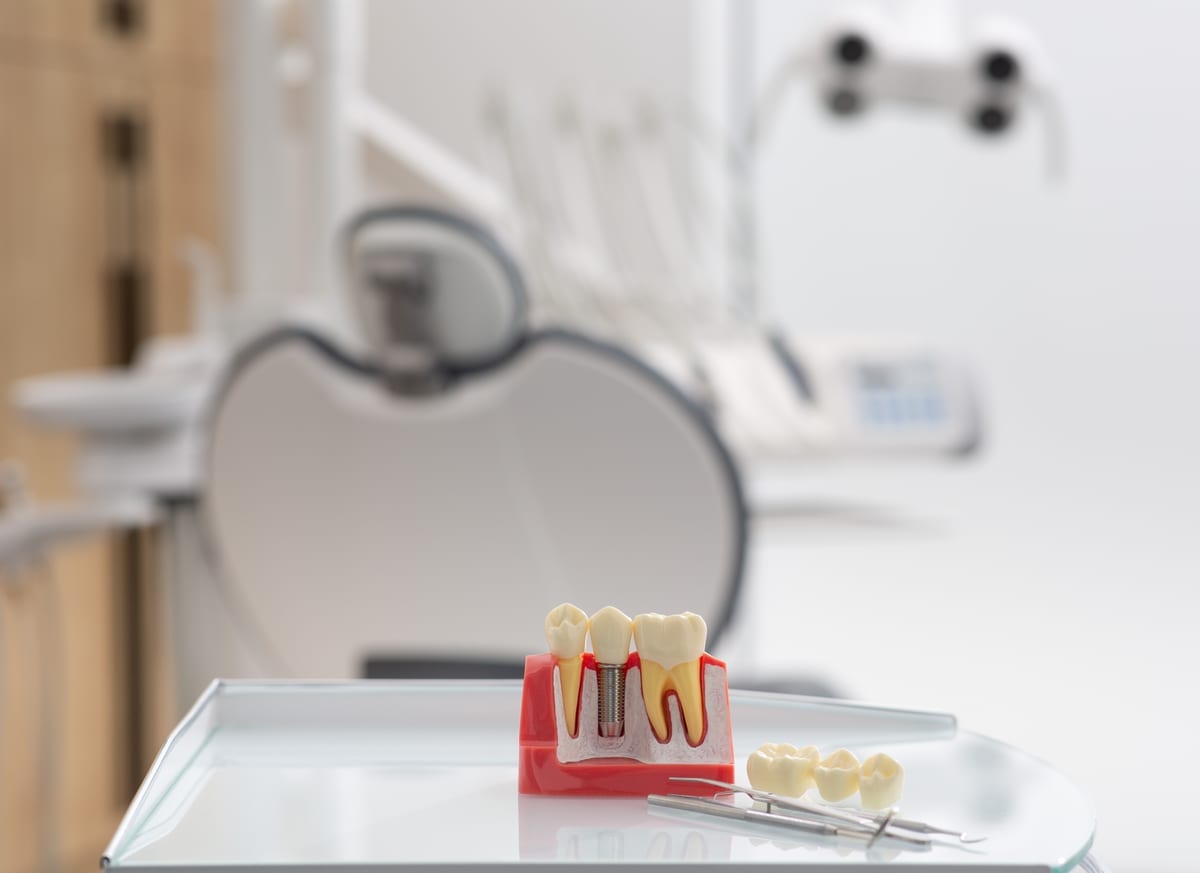
Losing a tooth can feel overwhelming. But understanding your dental implant journey — what happens at every stage in Blue Mound — makes the process far less intimidating. At Flossophy Dental Studio, Dr. Matthew Le guides patients through each step with care and clarity. This article breaks down the entire process so you know exactly what to expect.
Dental implants are one of the most effective long-term solutions for missing teeth. They look, feel, and function like natural teeth. The process takes time, but every stage serves an important purpose. Let’s walk through it together.
Stage One: Your Consultation and Treatment Planning in Blue Mound
Every implant journey starts with a thorough consultation. Dr. Le will examine your teeth, gums, and jawbone carefully. He uses digital X-rays and 3D imaging to assess your bone density and oral health. This information shapes your personalized treatment plan.
During this visit, you’ll discuss your goals and ask any questions you have. Dr. Le will explain whether bone grafting is needed first. Not everyone requires it, but some patients need extra bone support before implant placement. This stage removes guesswork and sets realistic expectations.
You’ll also learn about your overall oral health at this point. If there are any underlying concerns — like gum disease or decay — those get addressed first. Treating those issues early protects your implant’s long-term success. Think of this stage as building a strong foundation.
Stage Two: The Implant Placement Procedure — Step by Step
Once your treatment plan is ready, implant placement is scheduled. This is the surgical stage, but it’s more straightforward than most patients expect. Dr. Le uses local anesthesia to keep you completely comfortable throughout. Most patients feel only mild pressure, not pain.
Here’s what happens during the placement appointment:
- The treatment area is numbed with local anesthesia
- A small incision is made in the gum tissue
- A titanium post is carefully inserted into the jawbone
- The gum tissue is gently closed around the implant site
- A healing cap or temporary restoration may be placed
The procedure typically takes one to two hours per implant. You’ll be awake and aware the entire time. Most patients are surprised by how calm and manageable the experience feels. Dr. Le and the team check in with you regularly throughout.
After placement, you’ll receive detailed aftercare instructions. Swelling and mild discomfort are normal in the first few days. Over-the-counter pain relief and ice packs handle most post-procedure discomfort. Rest is important during this early healing window.
Stage Three: Osseointegration — The Healing Phase That Makes It Work
After placement, the implant enters a critical healing phase called osseointegration. This is when the titanium post fuses directly with your jawbone. It’s what gives dental implants their exceptional stability and strength. This process takes three to six months depending on your healing rate.
During this time, you’ll return for periodic check-up visits. Dr. Le monitors how the implant is integrating with the bone. These visits are brief but essential for catching any issues early. You’ll also keep your regular oral hygiene routine during healing.
Some patients feel anxious during this waiting period. That’s completely understandable. But osseointegration is doing important work beneath the surface. The end result — a rock-solid foundation for your new tooth — is well worth the patience.
Benefits of allowing full osseointegration include:
- A stronger, more stable final restoration
- Lower risk of implant failure over time
- Better chewing function long-term
- Preservation of surrounding jawbone density
Stage Four: Placing the Abutment and Final Crown
Once osseointegration is complete, the next stage begins. Dr. Le attaches a small connector piece called an abutment to the implant post. This piece connects the implant to your final dental crown. A brief healing period follows before the crown is placed.
Your custom crown is crafted to match your natural teeth precisely. The shade, shape, and size are all carefully matched. When it’s ready, Dr. Le secures it onto the abutment. The result looks and functions like a completely natural tooth.
This final stage is incredibly rewarding for patients. After months of waiting, you see and feel the finished result. Most patients immediately notice improved confidence when smiling and speaking. Chewing becomes comfortable and natural once again.
If you’ve experienced a dental emergency that led to tooth loss, our Emergency Dentistry services can help stabilize your situation before implant planning begins. It’s also worth knowing that implants pair beautifully with other Cosmetic Dentistry treatments for a fully transformed smile.
What Makes Dental Implants Worth the Journey
The implant process requires commitment, but the payoff is significant. Unlike dentures or bridges, implants don’t require adhesives or special removal routines. They’re cared for just like natural teeth — brushing, flossing, and regular cleanings. That simplicity is one of their greatest advantages.
Implants also protect your jawbone from the deterioration that follows tooth loss. Every stage of the journey — from consultation to crown — is designed with your long-term oral health in mind. Dr. Le and the Flossophy Dental Studio team take pride in making that journey smooth and supportive for every Blue Mound patient.
If you’re ready to take the first step toward a complete, confident smile, our team is here to help. Book Now to schedule your appointment with our team.
Frequently Asked Questions
How long does the entire dental implant process take?
The full process typically takes six to twelve months from consultation to final crown. The longest phase is osseointegration, which takes three to six months. Factors like bone grafting needs or healing rate can affect the timeline. Dr. Le will give you a personalized estimate at your first visit.
Is the dental implant procedure painful?
Most patients report far less discomfort than they expected. Local anesthesia is used during placement, so you won’t feel pain during the procedure. Mild soreness and swelling in the days following are normal. Over-the-counter pain relievers are usually sufficient to manage post-procedure discomfort.
Am I a good candidate for dental implants?
Most adults with good general health and adequate bone density are strong candidates. Conditions like uncontrolled diabetes or gum disease may need to be addressed first. Dr. Le will assess your bone structure, health history, and goals during your consultation. Many patients who initially worry they aren’t candidates are surprised to find they qualify.
Do dental implants look natural?
Yes — dental implants are designed to closely match your surrounding natural teeth. The custom crown is color-matched and shaped to blend seamlessly with your smile. Most people won’t be able to tell the difference between an implant and a natural tooth. The result is both functional and aesthetically natural-looking.
How do I care for my dental implant after it’s placed?
Caring for an implant is very similar to caring for natural teeth. Brush twice daily, floss regularly, and attend routine dental cleanings. Avoiding hard foods in the early healing phase also helps protect the implant. With proper care, implants can last a lifetime.