$29 Emergency Exam - Walk-Ins Welcome - Same-Day Dental Appointments Available

Dental Implants: A Complete Patient Guide
Losing a tooth can affect much more than your smile. Dental Implants are one of the most effective long-term solutions for missing teeth. They look, feel, and function like natural teeth. At Flossophy Dental Studio, our dental team wants every patient to feel informed before making any decision about their oral health.
What Are Dental Implants?
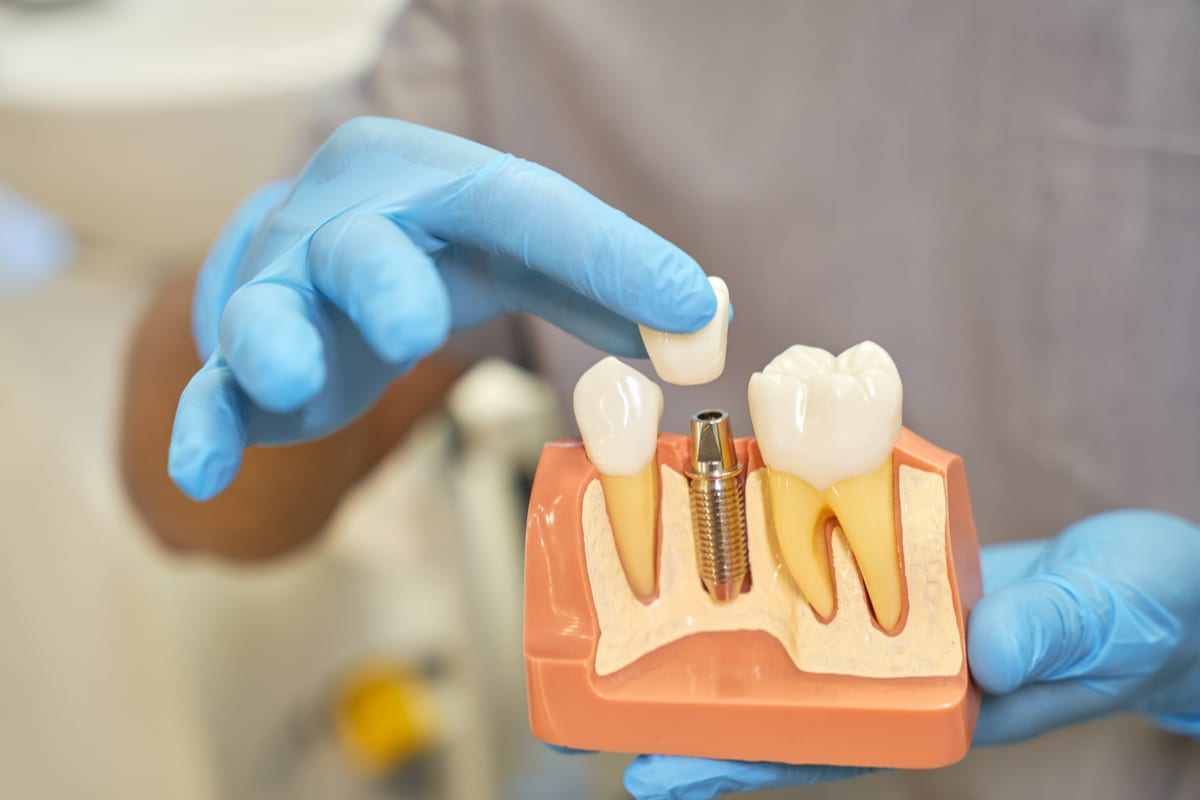
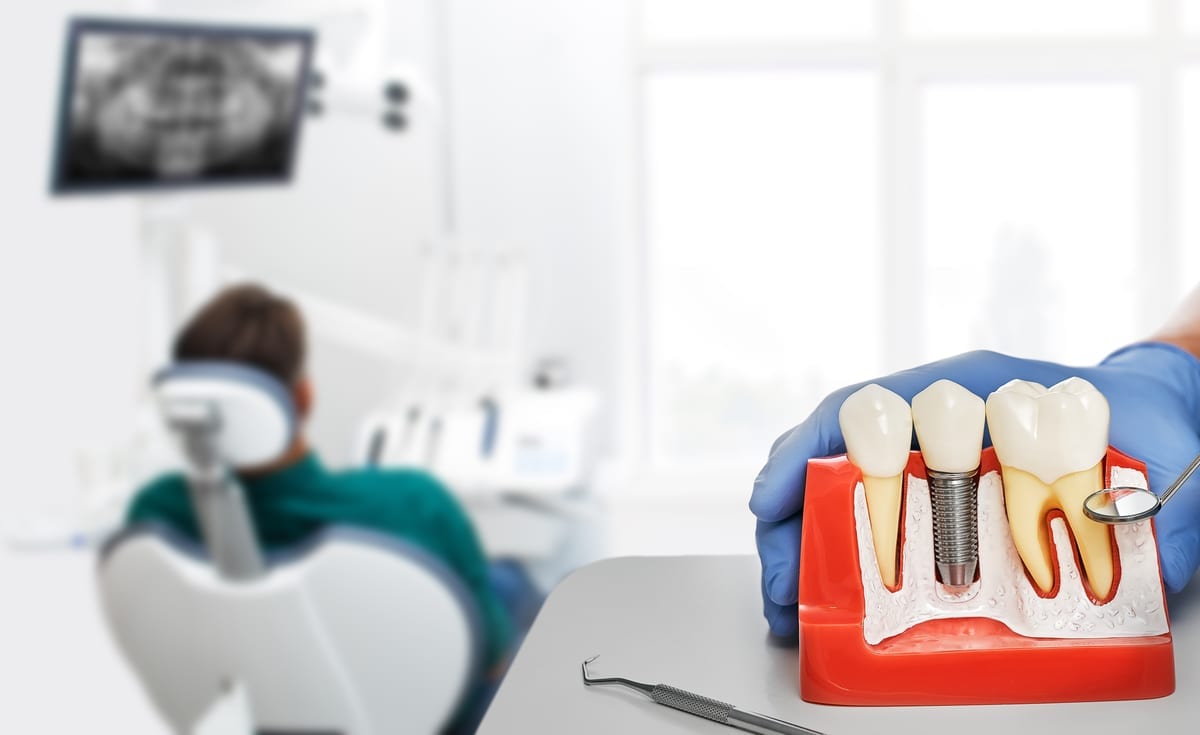
A dental implant is a small titanium post. It is surgically placed into the jawbone where a tooth is missing. Over time, the implant fuses with the bone in a process called osseointegration. This creates a stable foundation for a replacement tooth.
Once the implant has healed, a custom-made crown is attached on top. This crown is designed to match your surrounding teeth. The result looks completely natural. Most people cannot tell the difference between an implant and a real tooth.
Dental implants are different from dentures or bridges. They do not rely on neighboring teeth for support. They stand on their own, just like natural tooth roots. This makes them a uniquely durable and independent solution.
Who Is a Good Candidate for Dental Implants?
Not every patient is an immediate candidate for implants. Good candidates typically have healthy gums and enough jawbone density. A thorough evaluation is always required first. Our dental team assesses each patient individually before recommending a treatment plan.
Some patients may need a bone graft before the implant procedure. This helps build up bone that may have been lost after tooth extraction. It adds time to the overall process. However, it significantly improves the success rate of the implant.
Certain health conditions may affect eligibility. Uncontrolled diabetes or autoimmune disorders can slow healing. Heavy smoking is also a risk factor. Our team will review your full medical history during your consultation.
Age is another consideration. Dental implants are generally recommended for adults whose jawbones have fully developed. Younger patients may need to wait. Our team will guide you based on your specific situation.
The Dental Implant Process: Step by Step
Understanding the implant process helps reduce anxiety. It also helps you know what to expect at each stage. The process typically unfolds over several months. Healing time is an essential part of the journey.
- Initial Consultation: Our dental team examines your teeth, gums, and jawbone. X-rays and 3D imaging may be taken. A personalized treatment plan is created.
- Tooth Extraction (if needed): If the damaged tooth is still present, it is removed first. The site is then allowed to heal before the next step.
- Bone Grafting (if required): Some patients need additional bone volume. A graft is placed and given time to integrate with your existing bone.
- Implant Placement: The titanium post is surgically inserted into the jawbone. Local anesthesia keeps the procedure comfortable.
- Osseointegration: The implant fuses with the bone over several weeks or months. This is what makes it so stable.
- Abutment Placement: A small connector piece is attached to the implant. This holds the final crown in place.
- Crown Placement: A custom crown is fitted over the abutment. The crown is matched to the color and shape of your natural teeth.
The timeline varies from patient to patient. Some cases can be completed in a few months. Others may take closer to a year. Our team will give you a realistic estimate based on your needs.
Benefits of Dental Implants
Dental implants offer significant advantages over other tooth replacement options. They are designed to last for many years with proper care. Many patients consider them a lifetime investment in their oral health. Here are some of the most important benefits:
- Natural appearance: Implants closely mimic the look of real teeth.
- Improved speech: Unlike loose dentures, implants stay in place while you talk.
- Comfortable fit: There is no slipping, shifting, or pressure on neighboring teeth.
- Easier eating: You can enjoy most foods without restrictions.
- Bone preservation: Implants stimulate the jawbone, helping to prevent bone loss.
- Long-term durability: With good oral hygiene, implants can last decades.
- Self-confidence: A complete smile often boosts overall confidence and quality of life.
Unlike removable dentures, implants do not require adhesives. They are cleaned just like natural teeth. Regular brushing and flossing are all that is needed. Routine dental visits help ensure the implant stays healthy over time.
Caring for Your Dental Implants After Placement
Post-procedure care is essential for a successful outcome. In the days after surgery, some swelling and discomfort are normal. Our team will provide specific aftercare instructions. Following them closely supports faster, smoother healing.
Soft foods are recommended immediately after the procedure. Avoid hard, crunchy, or sticky foods during early healing. Ice packs can help reduce swelling. Prescribed or over-the-counter pain relief may be suggested as needed.
Long-term care is straightforward. Brush twice daily with a soft-bristle toothbrush. Floss around the implant every day. Visit our office for regular cleanings and check-ups. Good habits protect both your implant and your surrounding teeth.
Avoid habits that can damage implants. These include chewing ice, biting fingernails, or using teeth as tools. Tobacco use significantly increases the risk of implant failure. Our dental team can discuss strategies to support your long-term success.
Our practice also offers a range of other services to keep your mouth healthy. Whether you need cosmetic or restorative care, our team is here to support your full oral health journey. We believe in treating every patient with personalized attention. You deserve care that fits your unique needs.
How Dental Implants Compare to Other Options
It helps to understand how implants differ from alternatives. Bridges and dentures are common choices too. Each has its own benefits and limitations. Knowing the differences helps you make a more informed decision.
- Dental Bridges: These fill the gap using adjacent teeth as anchors. They require grinding down healthy teeth. They do not prevent bone loss in the jaw.
- Removable Dentures: These can replace multiple missing teeth. They may shift or cause discomfort. They require removal for cleaning.
- Dental Implants: These stand independently without affecting other teeth. They prevent bone loss. They function most like natural teeth.
The best option depends on your specific oral health situation. Our dental team will help you weigh each option carefully. No two patients are exactly alike. We tailor every recommendation to the individual.
If you have questions about our approach or want to meet our team, visit our About page to learn more. We are committed to providing thorough, compassionate education at every appointment. Understanding your options is the first step toward better oral health.
Conclusion
Dental Implants are a proven, reliable solution for missing teeth. They offer lasting function, a natural appearance, and important health benefits like bone preservation. The process takes time and requires commitment. However, the results can dramatically improve your quality of life. Our dental team at Flossophy Dental Studio is here to guide you through every step. Learn More about how we can help you.
Frequently Asked Questions
How long do dental implants last?
With proper care and regular dental visits, dental implants can last 15 to 25 years or longer. The crown on top may need replacement after 10 to 15 years due to normal wear. Good oral hygiene significantly extends the life of your implant.
Is the dental implant procedure painful?
The procedure is performed under local anesthesia, so you should not feel pain during placement. Some soreness and swelling are normal in the days following surgery. Most patients find the discomfort manageable with over-the-counter pain relief. Our team provides detailed aftercare instructions to keep you comfortable.
How long does the full dental implant process take?
The entire process can take anywhere from three months to over a year. The timeline depends on whether extractions, bone grafts, or additional healing time are needed. Osseointegration alone typically takes two to six months. Our team will give you a personalized estimate during your consultation.
Can dental implants fail?
While implants have a high success rate, failure can occur in rare cases. Risk factors include smoking, uncontrolled health conditions, and poor oral hygiene. Infections around the implant site can also lead to complications. Regular dental check-ups help detect and address any issues early.
Are dental implants suitable for older adults?
Yes, dental implants can be an excellent option for older adults. Age alone is not a disqualifying factor. Overall health, bone density, and gum condition are more important considerations. Our dental team evaluates each patient individually to determine the most appropriate treatment approach.