$29 Emergency Exam - Walk-Ins Welcome - Same-Day Dental Appointments Available

Dental Implants: A Complete Guide to Replacing Missing Teeth
Dental Implants are one of the most reliable solutions for replacing missing teeth. They look, feel, and function like natural teeth. At Flossophy Dental Studio of Haltom City, our dental team believes every patient deserves a complete, confident smile. Understanding how implants work helps you make informed decisions about your oral health.
What Are Dental Implants and How Do They Work?
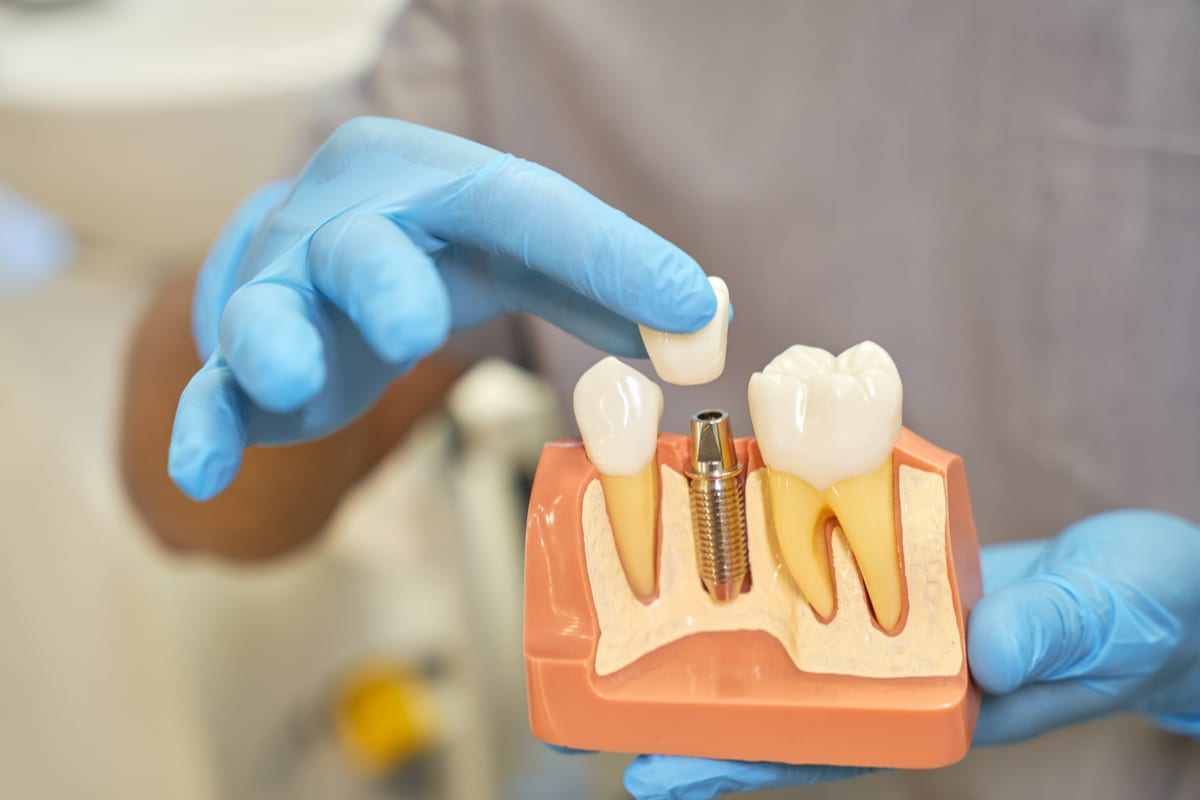
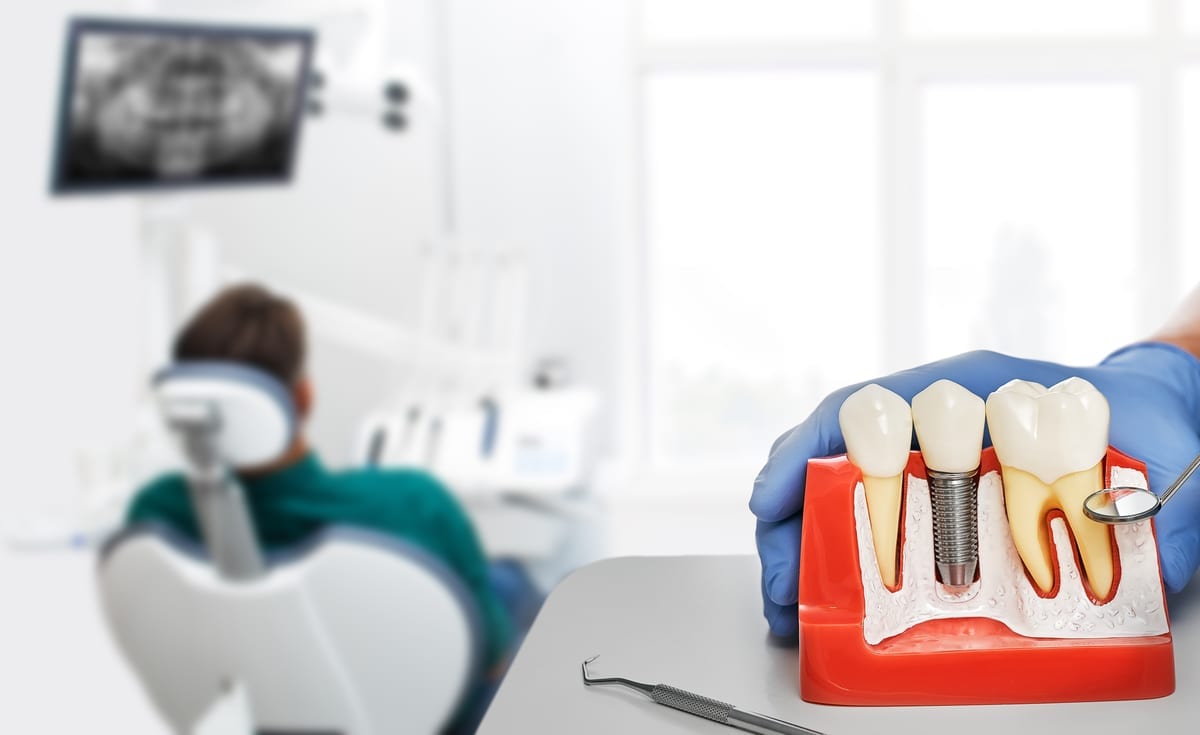
A dental implant is a small titanium post. It is surgically placed into the jawbone beneath the gum line. Over time, the post fuses with the bone in a process called osseointegration. This creates a stable foundation for a replacement tooth.
Once the implant fuses with the jaw, a connector piece called an abutment is attached. A custom-made dental crown is then placed on top. The result is a tooth that looks and functions like a natural one. No one can tell the difference from the outside.
Titanium is used because the body accepts it well. It does not corrode or cause allergic reactions in most patients. This biocompatibility is a key reason implants have such high long-term success rates. Many implants last for decades with proper care.
Who Is a Good Candidate for Dental Implants?
Not everyone is immediately eligible for dental implants. Good candidates generally have healthy gums and sufficient jawbone density. Our dental team evaluates each patient individually before recommending treatment. A thorough exam helps determine if implants are the right fit.
Several factors affect eligibility. These include age, bone health, and overall medical history. Certain conditions may require treatment before implant placement begins. Our team works with each patient to create a personalized care plan.
Common qualifications our team looks for include:
- Healthy gum tissue with no active periodontal disease
- Adequate jawbone density to support the implant
- Good overall health with no uncontrolled systemic conditions
- A commitment to proper oral hygiene at home
- Non-smoker status or willingness to quit prior to treatment
Teenagers whose jaws are still developing are generally not candidates yet. Adults of all ages, including seniors, can often qualify. Bone grafting is sometimes performed first to build up jawbone volume. This makes implants accessible to more patients than ever before.
The Dental Implant Process: What to Expect Step by Step
The implant process happens in several stages over a few months. Each stage is important for the long-term success of the implant. Our dental team guides patients through every step with clear communication. Knowing what to expect helps reduce anxiety and builds confidence.
Here is a general overview of the implant journey:
- Initial consultation and imaging: X-rays and 3D scans assess bone health and jaw structure.
- Treatment planning: Our team creates a customized plan based on your unique anatomy.
- Implant placement surgery: The titanium post is placed into the jawbone under local anesthesia.
- Healing period: The implant integrates with the bone over several weeks to months.
- Abutment placement: A connector is attached once healing is confirmed.
- Crown placement: A custom crown is secured to complete your new tooth.
Each patient heals at a different pace. Some people complete the process in a few months. Others may need additional procedures that extend the timeline. Our team keeps you informed at every appointment.
Discomfort after surgery is usually mild and manageable. Over-the-counter pain relief is often sufficient. Swelling typically subsides within a few days. Most patients return to normal activities quickly after each stage.
Benefits of Dental Implants Compared to Other Options
Dental Implants offer advantages that other tooth replacement options cannot match. Dentures and bridges have served patients well for generations. However, implants address some limitations those options carry. Understanding the differences helps patients choose wisely.
Key benefits of dental implants include:
- They preserve jawbone density by stimulating bone like a natural root
- They do not require altering or grinding down adjacent healthy teeth
- They are permanently fixed and do not slip or shift during eating or speaking
- They are easy to clean — brush and floss just like natural teeth
- They can last a lifetime with proper care and regular dental visits
Dentures can cause bone loss over time because they sit on the gum surface. Bridges require crowning the teeth on either side of the gap. Implants avoid both of these concerns entirely. They are widely considered the gold standard in tooth replacement.
Beyond function, implants support facial structure. Missing teeth can cause the face to appear sunken over time. An implant preserves the bone that gives your face its natural shape. This has meaningful cosmetic and health benefits.
If you are curious about other smile-enhancing options we offer, visit our services page to explore treatments like Porcelain Veneers and Teeth Whitening.
Caring for Your Dental Implants Long-Term
Dental implants are durable, but they still require consistent care. Good oral hygiene protects both the implant and surrounding gum tissue. Neglecting hygiene can lead to a condition called peri-implantitis. This is an infection around the implant that can threaten its stability.
Daily care for implants is straightforward. Brush twice a day with a soft-bristled toothbrush. Floss daily using implant-specific floss or an interdental brush. A water flosser can also be very effective for cleaning around the implant base.
Regular dental visits are essential. Our dental team monitors the implant at every checkup. We check for signs of gum issues, bone changes, or crown wear. Early detection keeps small concerns from becoming larger problems.
Avoid habits that can damage implants. Chewing on hard objects like ice or pens puts stress on the crown. Grinding teeth at night is also a concern — a custom nightguard can help protect your investment. With the right habits, implants can truly last a lifetime.
Our team is always available to answer questions about your care routine. You can also learn more about our dental team and our approach to patient education.
Frequently Asked Questions
Are dental implants painful to get?
Most patients report that the procedure is more comfortable than they expected. Local anesthesia is used during surgery to minimize discomfort. Mild soreness after the procedure is normal and typically resolves within a few days. Over-the-counter pain relievers are usually enough to manage any post-surgical discomfort.
How long do dental implants last?
With proper care, dental implants can last 20 years or longer — often a lifetime. The titanium post itself rarely needs replacement. The crown on top may eventually show wear and need replacing after 10 to 15 years. Regular dental checkups help extend the lifespan of your implant.
Can dental implants fail?
Implant failure is uncommon but possible. Risk factors include smoking, uncontrolled diabetes, and poor oral hygiene. Infection around the implant site is the most common cause of failure. Choosing an experienced dental team and following aftercare instructions greatly reduces this risk.
Is bone grafting always required before getting an implant?
Not always. Bone grafting is only needed when the jawbone lacks sufficient volume or density. Many patients have enough existing bone to support an implant without grafting. A 3D scan during your consultation will determine whether this additional step is necessary for you.
How do I get started with dental implants at Flossophy Dental Studio of Haltom City?
The first step is scheduling a consultation with our dental team. We will review your dental and medical history, take imaging, and discuss your goals. From there, we create a personalized treatment plan tailored to your needs. Learn More about how we can help you.