$29 Emergency Exam - Walk-Ins Welcome - Same-Day Dental Appointments Available

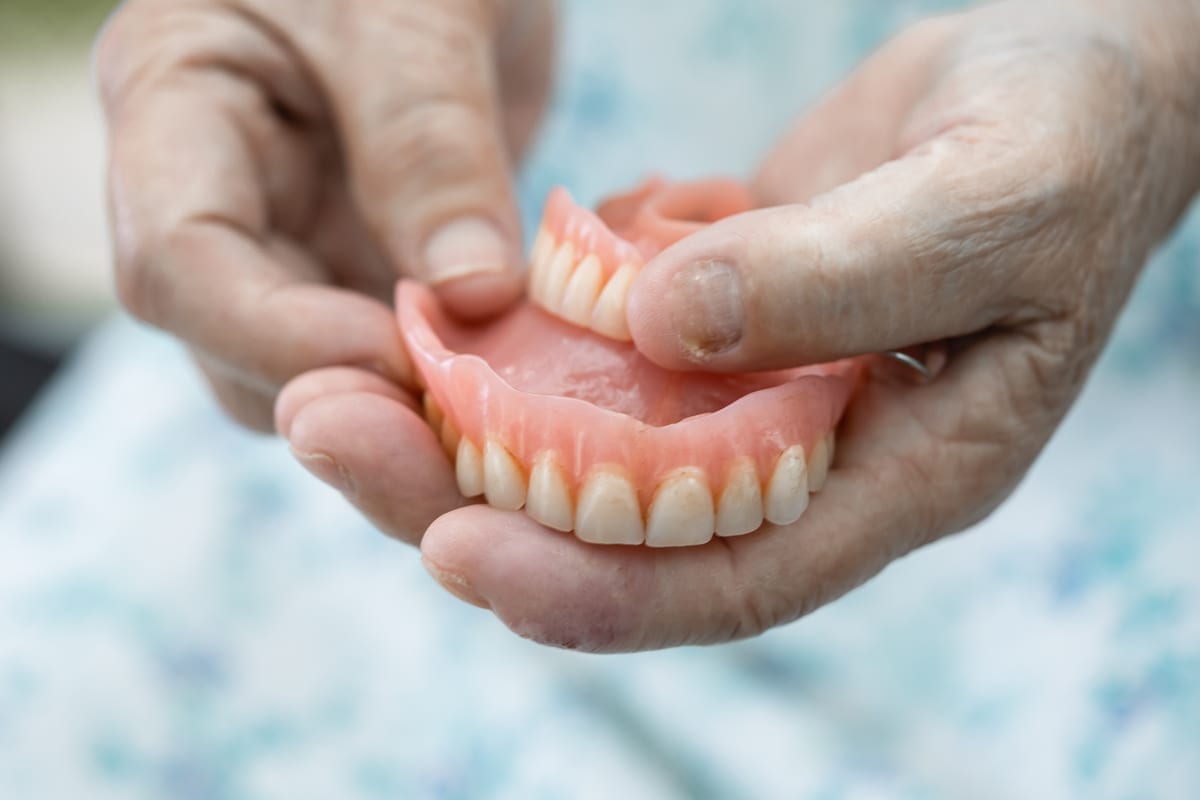
If you’ve been struggling with damaged, missing, or failing teeth, you may have wondered: are you really a candidate for dentures? What to expect in Saginaw is a common question we hear at Flossophy Dental Studio of Haltom City. Dr. Matthew Le helps patients from Saginaw and surrounding areas understand whether dentures are the right path forward. This guide walks you through candidacy criteria, the extraction process, healing stages, and what life looks like with a new smile.
Who Is a Candidate for Dentures in Saginaw?
Not everyone who has lost a tooth needs dentures. However, certain situations make dentures the most practical and effective solution. Understanding those situations helps you make a confident, informed decision.
You may be a strong candidate for dentures if you experience any of the following:
- Multiple missing teeth in one or both arches
- Severe tooth decay that cannot be restored with fillings or crowns
- Advanced gum disease that has caused significant bone or tooth loss
- Broken or cracked teeth that are beyond repair
- Difficulty chewing or speaking due to compromised teeth
Age is not the determining factor. Patients in their 30s, 40s, and beyond can qualify for dentures when their oral health situation calls for it. Dr. Le evaluates each patient individually to determine the best treatment plan.
A thorough exam — including X-rays and a review of your dental and medical history — is the first step. This helps identify whether full dentures, partial dentures, or another restorative option suits your needs best.
What to Expect During the Extraction and Preparation Stage
If you still have remaining teeth that need removal before dentures are placed, extractions are part of the process. This stage can feel daunting, but understanding what happens makes it far less stressful.
Dr. Le uses local anesthesia to keep you comfortable throughout the extraction procedure. Most patients are surprised by how manageable the experience is. If you need multiple extractions, they may be completed in one or more appointments depending on your situation.
After extractions, your gums and jawbone need time to heal before your final dentures are fitted. This healing process typically takes several weeks to a few months. Every patient heals at a different pace, and that timeline is entirely normal.
In many cases, immediate dentures can be placed right after extraction. These temporary appliances let you leave the office with teeth the same day. However, they will need adjustment or replacement as your gums reshape during healing.
The Healing Timeline: What Each Stage Looks Like
Healing after tooth extraction follows a fairly predictable pattern. Knowing what to expect at each stage helps you stay comfortable and confident throughout recovery.
Here is a general breakdown of the healing timeline:
- Days 1–3: Swelling, mild discomfort, and some bleeding are normal. Soft foods and rest are your best friends during this phase.
- Week 1–2: Swelling begins to subside. Your gums start to close over the extraction sites. You may still feel tenderness when chewing.
- Weeks 3–6: Soft tissue healing progresses significantly. Your dentures may start to feel looser as your gums continue to change shape.
- Months 2–6: Bone and tissue continue to remodel. Your dentist will schedule follow-up visits to adjust the fit of your dentures during this phase.
- Month 6 and beyond: Most patients reach a stable fit and feel comfortable with their dentures in daily life.
Following Dr. Le’s aftercare instructions closely speeds up recovery. Proper oral hygiene, diet choices, and regular check-ins all play a role in how smoothly you heal.
Partial Dentures vs. Full Dentures: Which Do You Need?
Candidacy for dentures also involves deciding between partial and full options. The right choice depends on how many natural teeth you have remaining and their overall condition.
Full dentures replace an entire arch of teeth — upper, lower, or both. They rest on the gums and are typically held in place by suction or a dental adhesive. Full dentures work well when all teeth in an arch are missing or need removal.
Partial dentures fill in gaps when some healthy natural teeth remain. They attach to your existing teeth using clasps or connectors. Partials help restore chewing function while also preventing remaining teeth from shifting.
Dr. Le will recommend the type that best matches your anatomy, lifestyle, and long-term oral health goals. Both options can dramatically improve your ability to eat, speak, and smile with confidence.
When Dentures Connect to Other Dental Care
Dentures rarely exist in isolation. Many patients on this journey also benefit from related services that support their overall oral health.
For example, if a dental emergency prompted your tooth loss, Emergency Dentistry services can stabilize your situation before a long-term plan is made. Acting quickly after a dental emergency often preserves more of your natural teeth and simplifies the denture process later.
Once your smile is restored with dentures, many patients explore Cosmetic Dentistry options to refine their appearance further. Teeth whitening, gum contouring, and other aesthetic treatments can complement your new smile beautifully.
At Flossophy Dental Studio, we take a whole-mouth approach to care. Every service we offer is designed to work together toward your healthiest, most confident smile.
Tips for Living Well With Dentures
Adjusting to dentures takes time, but most patients adapt fully within a few months. A few practical habits make the transition much smoother.
- Start with soft foods and gradually reintroduce firmer textures as comfort allows
- Practice speaking aloud at home to get used to the feel of your new appliance
- Clean your dentures daily to prevent bacteria buildup and odor
- Remove dentures at night to give your gums time to rest
- Schedule regular dental visits so Dr. Le can monitor fit and overall oral health
Small soreness or irritation in the first weeks is normal. If pain persists or your dentures feel significantly loose, contact our office right away. Adjustments are a routine and expected part of the denture process.
Schedule Your Denture Consultation in Saginaw
If you’re searching for answers about whether you’re a candidate for dentures and what to expect in Saginaw, the next step is simple. A consultation with Dr. Matthew Le gives you a clear, personalized picture of your options. At Flossophy Dental Studio of Haltom City, we serve patients from Saginaw and the surrounding North Texas communities with compassionate, expert care. Book Now to schedule your appointment with our team.
Frequently Asked Questions
How do I know if I need full or partial dentures?
Your dentist will evaluate how many natural teeth remain and whether they are healthy enough to support a partial denture. If all teeth in an arch are missing or cannot be saved, full dentures are typically the right choice. A comprehensive exam and X-rays guide this decision.
How long does the entire denture process take from start to finish?
The timeline varies depending on how many extractions are needed and how quickly your gums heal. In general, patients can expect the process to take anywhere from a few weeks to six months. Immediate dentures shorten the gap, though adjustments are needed as healing progresses.
Will dentures affect how I eat and speak?
There is an adjustment period for both eating and speaking with new dentures. Most patients adapt within a few weeks. Starting with soft foods and practicing speech at home speeds up the process considerably.
Are dentures a permanent solution?
Dentures are durable and long-lasting, but they are not permanent in the same way dental implants are. Over time, your gum and bone structure changes, which may require denture relining or replacement. Regular dental visits help ensure your dentures continue to fit well.
What happens if my dentures become loose over time?
Loose dentures are typically caused by changes in your jaw and gum tissue after tooth loss. Dr. Le can reline or rebase your dentures to restore a better fit. In some cases, implant-supported dentures may be recommended for greater stability.