$29 Emergency Exam - Walk-Ins Welcome - Same-Day Dental Appointments Available

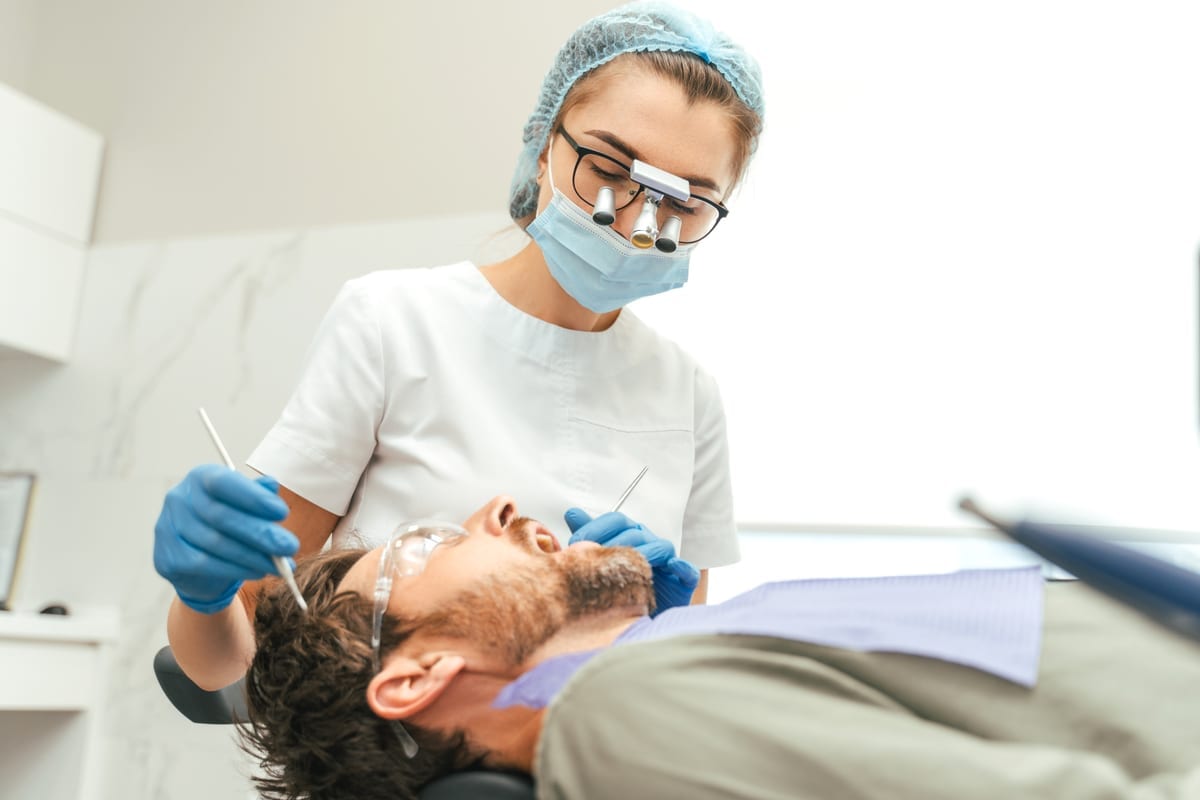
Most people brush and floss daily and still develop gum disease. That surprises a lot of patients in Blue Mound. The reason? Gum disease often starts below where your toothbrush can reach. Understanding what lurks below your gumline is the first step to stopping gum disease before it starts. At Flossophy Dental Studio of Haltom City, Dr. Matthew Le helps patients take control of their gum health before small problems become serious ones.
What Actually Lives Below Your Gumline in Blue Mound?
Your mouth is home to hundreds of bacterial species. Most are harmless. But some bacteria thrive in the dark, low-oxygen space beneath your gum tissue. These bacteria form a sticky film called plaque. Left undisturbed, plaque hardens into tartar, also called calculus.
Tartar is rough and porous. It gives harmful bacteria an ideal surface to multiply. Once tartar forms, no amount of brushing removes it. Only professional dental instruments can break it away safely.
The bacteria in tartar release toxins. These toxins irritate gum tissue. Your immune system responds with inflammation. That inflammation is the beginning of gingivitis — the earliest stage of gum disease.
How Bacteria Below the Gumline Causes Gum Disease
Gingivitis causes red, swollen, and bleeding gums. Many patients in Blue Mound notice bleeding when they floss and assume they are flossing too hard. Usually, bleeding gums signal inflammation — not aggressive flossing.
If bacteria below the gumline go untreated, gingivitis advances to periodontitis. At this stage, gum tissue pulls away from teeth. This creates pockets where even more bacteria accumulate. The infection spreads deeper and begins attacking the bone that anchors your teeth.
Periodontitis is linked to serious systemic conditions. Research connects it to heart disease, diabetes complications, and respiratory issues. Stopping gum disease early protects more than just your smile.
- Bacteria release toxins that inflame gum tissue
- Inflammation causes gums to pull away from teeth
- Pockets deepen and collect more harmful bacteria
- Bone loss begins, weakening tooth support
- Systemic health risks increase with advanced gum disease
How Professional Cleanings Interrupt the Gum Disease Cycle
This is where professional dental cleanings make a real difference. A cleaning at Flossophy Dental Studio is not just about polishing your teeth. It is about removing what you physically cannot remove at home.
During your cleaning, our dental hygienist uses specialized instruments called scalers. These tools reach below the gumline. They remove hardened tartar from root surfaces where bacteria hide. This process is called scaling.
After scaling, the hygienist performs root planing when needed. This smooths the root surface so bacteria have fewer places to cling. A smooth root surface discourages future tartar buildup.
Regular cleanings interrupt the cycle of buildup, bacterial growth, and inflammation. They reset the environment in your mouth. This gives your gum tissue a chance to heal and reattach properly.
- Scaling removes tartar from below the gumline
- Root planing smooths root surfaces to deter bacteria
- Polishing removes surface stains and remaining soft plaque
- Examination identifies early warning signs of gum disease
- Personalized home care guidance helps you maintain results
Signs You May Already Have Early Gum Disease
Gum disease often develops without pain. Many Blue Mound patients do not realize they have a problem until it has progressed. Knowing the warning signs helps you act early.
Watch for these symptoms between dental visits. Any one of them warrants a prompt conversation with Dr. Le.
Common early warning signs include:
- Gums that bleed when you brush or floss
- Persistent bad breath that does not go away
- Red, swollen, or tender gum tissue
- Gums that look like they are pulling away from teeth
- Teeth that feel loose or have shifted position
If you experience sudden swelling, severe pain, or an abscess, that requires immediate attention. Our team offers Emergency Dentistry services so you are never left without care when something urgent arises.
How Often Should Blue Mound Residents Get Cleanings?
Most adults benefit from a professional cleaning every six months. However, some patients need more frequent visits. If you have a history of gum disease, your dentist may recommend cleanings every three to four months.
Dr. Matthew Le tailors your cleaning schedule to your specific needs. Factors like smoking, diabetes, and genetic predisposition can increase your gum disease risk. A personalized schedule accounts for those factors.
Children and teens also benefit from regular cleanings. Building good habits early reduces lifetime risk. Bring the whole family in and let us help everyone in Blue Mound protect their gum health.
Beyond Cleanings: Protecting Your Smile Fully
Healthy gums are the foundation of a healthy, attractive smile. Once your gum health is stable, you may notice you are more confident about your teeth. Many patients then explore ways to enhance their appearance further.
Flossophy Dental Studio offers Cosmetic Dentistry services for patients who want to go beyond health and invest in the look of their smile. Options like teeth whitening and clear aligners complement a foundation of strong gum health beautifully.
A beautiful smile starts with healthy tissue underneath. No cosmetic treatment delivers lasting results on an unhealthy foundation. Taking gum disease seriously today protects every investment you make in your smile tomorrow.
What to Expect at Your Cleaning Visit at Flossophy Dental Studio
Your visit begins with a thorough examination. Dr. Le or our hygienist will measure the depth of gum pockets around each tooth. This measurement tracks your gum health over time and reveals any areas of concern.
Next comes the cleaning itself. We remove tartar above and below the gumline. We polish tooth surfaces and floss between every tooth. The whole process usually takes less than an hour for most patients.
Before you leave, we walk you through any findings and answer your questions. We also give you practical home care tips tailored to your mouth. You leave feeling clean and informed — not rushed or confused.
If you live in Blue Mound and have not had a cleaning recently, now is the right time to act. Gum disease is preventable, and catching it early makes all the difference. Dr. Matthew Le and the team at Flossophy Dental Studio of Haltom City are here to guide you every step of the way. Book Now to schedule your appointment with our team.
Frequently Asked Questions
What is the difference between gingivitis and periodontitis?
Gingivitis is the earliest, mildest stage of gum disease. It causes inflamed, bleeding gums but has not yet damaged bone or connective tissue. Periodontitis is advanced gum disease where infection has spread below the gumline and begun destroying the bone that holds teeth in place. Gingivitis is fully reversible with professional treatment and good home care. Periodontitis requires more intensive treatment to manage and control.
Can I stop gum disease from getting worse on my own?
Good brushing and flossing slow bacteria growth, but they cannot remove tartar once it has hardened below the gumline. Professional cleanings are the only way to fully interrupt the gum disease cycle. You play a critical role at home, but partnering with your dental team is essential for lasting results.
How do I know if I have bacteria below my gumline?
You cannot see or feel subgingival bacteria directly. That is what makes gum disease so sneaky. During your dental exam, Dr. Le measures pocket depths around each tooth. Deeper pockets signal that bacteria have moved further below the gumline. Bleeding during probing also indicates active inflammation and bacterial activity.
Is a deep cleaning different from a regular cleaning?
Yes. A regular cleaning focuses on removing plaque and tartar from tooth surfaces above and just below the gumline. A deep cleaning, or scaling and root planing, goes further below the gumline to clean root surfaces inside deeper pockets. Deep cleanings are typically recommended when gum disease has already progressed beyond early gingivitis.
How long does it take for gums to heal after a professional cleaning?
Many patients notice improvement within one to two weeks after a professional cleaning. Gum tissue that was inflamed begins to tighten and reattach to teeth. Full healing depends on how advanced the gum disease was and how consistently you follow through with home care. Dr. Le will schedule a follow-up to monitor your progress and ensure your gums are responding well.