$29 Emergency Exam - Walk-Ins Welcome - Same-Day Dental Appointments Available

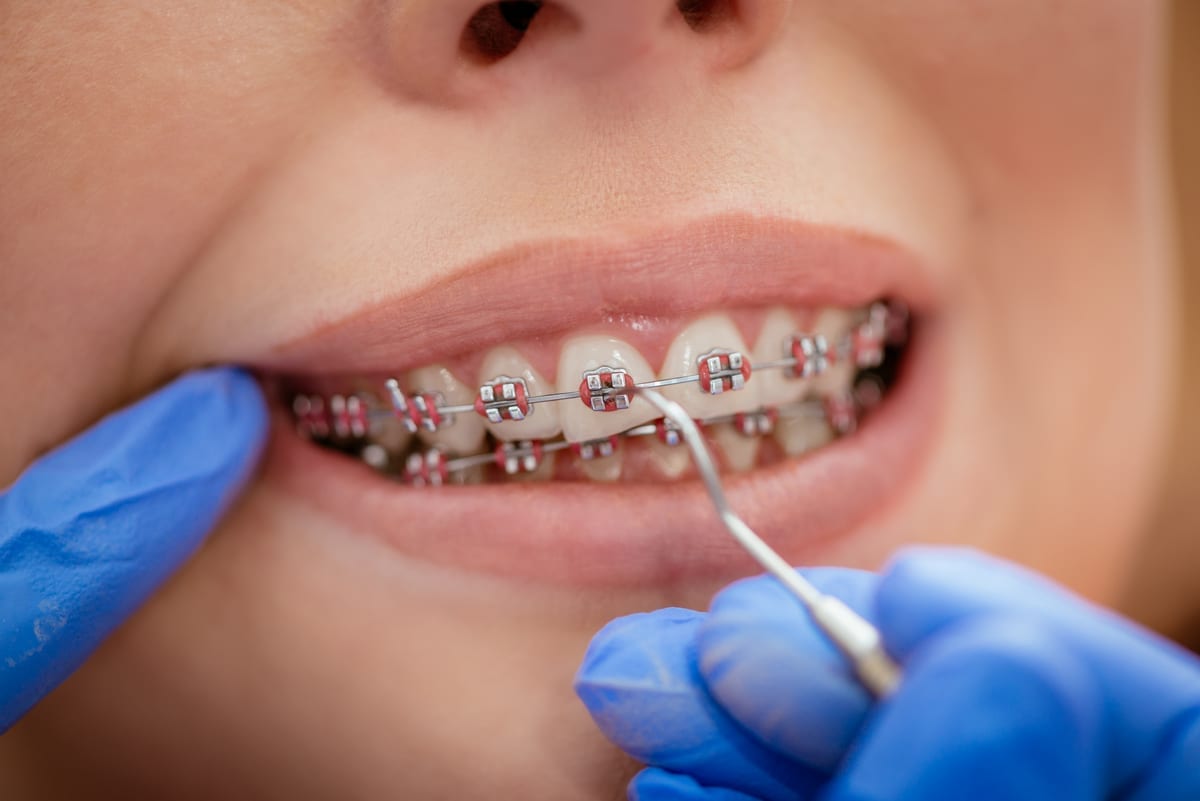
Understanding what to expect after your restorative dental treatment in Blue Mound can make your recovery much smoother. Many patients feel anxious about the days following a procedure. Knowing what is normal — and what is not — helps you heal with confidence. At Flossophy Dental Studio, Dr. Matthew Le and the team are committed to guiding you every step of the way.
Your Recovery Timeline After Restorative Treatment
Recovery time depends on the type of restorative procedure you received. Simple treatments like fillings or crowns typically involve minimal downtime. More involved procedures, such as dental implants or root canal treatment, may require a few days to a week of careful recovery.
Here is a general timeline to help you plan ahead:
- First 24 hours: Expect some swelling, tenderness, and mild discomfort. Rest as much as possible.
- Days 2–3: Swelling should begin to decrease. Sensitivity around the treated area is still normal.
- Days 4–7: Most patients return to normal routines. Discomfort should be significantly reduced by this point.
- Week 2 and beyond: Full healing continues. Follow-up visits may be scheduled to check your progress.
Every patient heals differently. Age, overall health, and the complexity of your procedure all play a role. Always follow Dr. Le’s specific post-treatment instructions for the best results.
What to Eat After Your Restorative Procedure in Blue Mound
Your diet plays a major role in how quickly and comfortably you heal. Choosing the right foods protects your restoration and reduces irritation. Avoiding the wrong ones prevents unnecessary setbacks during recovery.
Here are some smart food choices to follow after treatment:
- Soft foods: Yogurt, mashed potatoes, scrambled eggs, and oatmeal are gentle on sensitive areas.
- Cool or lukewarm foods: Avoid extremes in temperature. Hot soups and cold ice cream can trigger sensitivity.
- Hydration: Drink plenty of water to support healing and keep your mouth clean.
- Foods to avoid: Stay away from hard, crunchy, sticky, or chewy foods until your dentist clears you.
Chewing on the opposite side of your mouth is a simple way to protect a newly treated area. Most patients can return to a normal diet within a week. Ask Dr. Le if you have any specific dietary concerns for your type of restoration.
Managing Discomfort and Pain After Restorative Dentistry
Some level of discomfort after restorative dental work is completely normal. Your mouth has been through a procedure, and it needs time to adjust. The good news is that most post-treatment discomfort is manageable with the right approach.
Here are effective strategies for staying comfortable during recovery:
- Take over-the-counter pain relievers like ibuprofen or acetaminophen as directed.
- Apply a cold compress to your cheek for the first 24 hours to reduce swelling.
- Avoid smoking or using tobacco products, which slow healing significantly.
- Sleep with your head slightly elevated to minimize throbbing and pressure.
Prescription pain medication is sometimes provided after more complex treatments. Always take medications exactly as prescribed. If your pain is worsening after the third day instead of improving, contact our office right away.
Maintaining good oral hygiene also supports recovery. Gently brush around the treated area using a soft-bristled toothbrush. Rinse with warm salt water two to three times daily to keep the area clean.
Warning Signs: When to Contact Flossophy Dental Studio
Most recovery experiences are straightforward, but complications can occasionally arise. Knowing the warning signs helps you act quickly when something needs attention. Early intervention always leads to better outcomes.
Contact our office if you experience any of the following:
- Severe or worsening pain that does not improve with medication
- Fever above 101°F, which may indicate infection
- Unusual or persistent bleeding from the treated site
- Swelling that grows larger after the first 48 hours
- A restoration that feels loose, cracked, or significantly changed
These symptoms are not always serious, but they should never be ignored. Dr. Matthew Le and the team take all patient concerns seriously. If you are unsure whether something is normal, it is always better to call than to wait.
For urgent situations, our Emergency Dentistry services are available to Blue Mound patients who need prompt care. Do not hesitate to reach out if something feels wrong.
Long-Term Care to Protect Your Restoration
Restorative treatments are investments in your oral health. Protecting them long-term requires consistent habits and regular professional care. The effort you put in now will extend the life of your restoration for many years.
Follow these long-term care tips after your restorative procedure:
- Schedule regular cleanings and checkups at least twice a year.
- Wear a custom nightguard if you grind your teeth during sleep.
- Avoid using your teeth as tools to open packages or bite nails.
- Floss daily and brush twice a day with a fluoride toothpaste.
Restorative work pairs well with ongoing cosmetic care for many patients. If you are interested in enhancing your smile further, explore our Cosmetic Dentistry services at Flossophy Dental Studio.
Dr. Le will monitor the health of your restoration at every routine visit. Catching small issues early prevents larger problems down the road. Consistent care is the single best thing you can do to protect your smile.
Your Recovery Is Our Priority at Flossophy Dental Studio
Recovering well after restorative dental care is entirely achievable with the right guidance. Following your aftercare instructions, eating wisely, and managing discomfort effectively all make a meaningful difference. Blue Mound patients trust Dr. Matthew Le for honest, thorough dental care that does not stop when you leave the chair.
We are here to support you through every stage of your treatment and recovery. Whether you have a quick question or a pressing concern, our team is just a call away. Book Now to schedule your appointment with our team.
Frequently Asked Questions
How long does it take to recover from restorative dental treatment?
Recovery time varies depending on the procedure. Simple restorations like fillings may resolve discomfort within 24 to 48 hours. More complex treatments like implants or root canals may take up to a week or longer for full comfort to return.
Is it normal to feel sensitivity after a crown or filling?
Yes, mild sensitivity after a crown or filling is completely normal. It usually fades within a few days to a couple of weeks. If sensitivity is severe or persists longer than two weeks, contact your dentist for an evaluation.
What foods should I avoid right after a restorative procedure?
Avoid hard, crunchy, sticky, and chewy foods immediately after treatment. Also limit very hot or very cold items, which can trigger temperature sensitivity. Stick to soft, room-temperature foods for the first few days.
When should I call the dentist after my restorative treatment?
Contact your dentist if you experience worsening pain, fever, unusual swelling, persistent bleeding, or a restoration that feels loose or broken. These signs may indicate a complication that needs prompt attention. It is always better to call early rather than wait.
How do I care for my restoration long-term?
Brush twice daily with fluoride toothpaste and floss every day. Visit Flossophy Dental Studio for regular cleanings and checkups. Avoid habits like tooth grinding or biting hard objects, which can damage restorations over time.