$29 Emergency Exam - Walk-Ins Welcome - Same-Day Dental Appointments Available

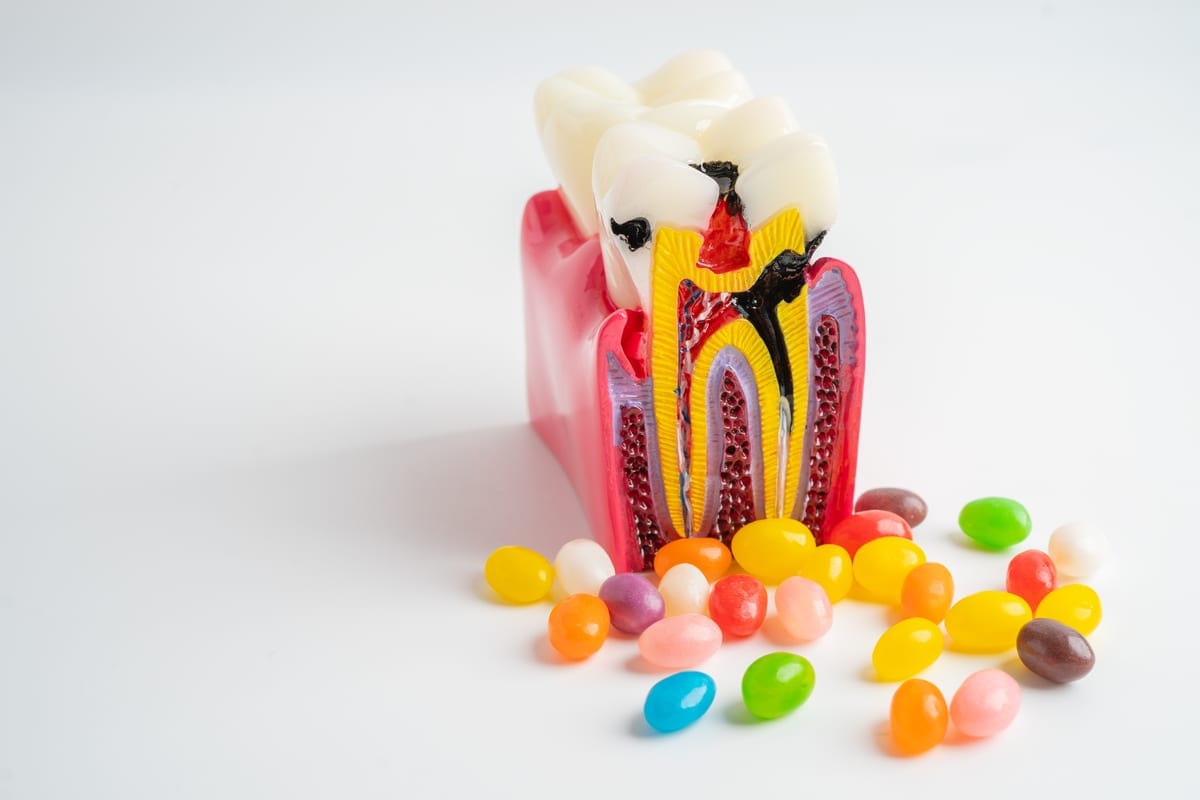
If you’ve been told you need a root canal, your first question is probably about pain. Does a root canal actually hurt? What should you really expect in Fort Worth? The honest answer might surprise you. Modern dentistry has transformed this procedure into something far more manageable than its reputation suggests.
At Flossophy Dental Studio, Dr. Matthew Le hears this concern from patients every single week. Fear of pain keeps many people from getting the care they need. This article breaks down exactly what happens during a root canal — and what you’ll actually feel.
Why Root Canals Have a Bad Reputation for Pain
The root canal’s scary reputation comes from decades-old dental experiences. Older techniques involved less effective anesthesia and longer, more invasive procedures. Things have changed dramatically since then.
Most patients today report that the procedure itself is no more uncomfortable than getting a filling. The pain people associate with root canals is usually the toothache before treatment — not the treatment itself. That’s an important distinction worth understanding.
Infected or inflamed dental pulp causes intense, throbbing pain. A root canal actually relieves that pain by removing the source of infection. Think of it as the solution, not the problem.
What Happens During a Root Canal — and What You Actually Feel
Understanding the procedure helps reduce anxiety. Here’s what Dr. Le does during a standard root canal at Flossophy Dental Studio:
- He numbs the tooth and surrounding tissue with local anesthesia
- He places a small rubber dam to keep the area clean and dry
- He creates a small opening in the crown of the tooth
- He removes the infected pulp tissue from inside the canals
- He cleans, shapes, and disinfects each canal thoroughly
- He fills the canals with a biocompatible material called gutta-percha
- He seals the tooth and places a temporary or permanent crown
During this process, you should feel pressure and movement — but not sharp pain. The local anesthetic blocks pain signals effectively. If you ever feel discomfort, tell Dr. Le immediately so he can add more numbing medication.
Some patients with severe infections may find that numbing takes slightly longer to achieve full effect. Dr. Le accounts for this and won’t proceed until you’re completely comfortable. Your comfort is the priority, not speed.
Does a Root Canal Actually Hurt After the Procedure?
Post-treatment soreness is real and worth discussing honestly. After the anesthesia wears off, you’ll likely notice some tenderness around the treated tooth. This is completely normal and expected.
Here’s what most Fort Worth patients experience after their root canal:
- Mild to moderate soreness in the jaw or tooth area for 2–3 days
- Sensitivity when biting on the treated tooth for several days
- Slight swelling in the surrounding gum tissue in some cases
- Gradual improvement each day following treatment
Over-the-counter pain relievers like ibuprofen or acetaminophen typically manage post-treatment discomfort well. Dr. Le will provide specific aftercare instructions tailored to your situation. Most patients return to normal activities the very next day.
Serious or worsening pain after a root canal is uncommon. If your pain intensifies significantly after 48 hours, contact Flossophy Dental Studio right away. That could signal a complication that needs prompt attention.
How Modern Anesthesia Makes Root Canals Comfortable
Local anesthesia is the cornerstone of a painless root canal experience. Dr. Le uses highly effective numbing agents that work quickly and last throughout the entire procedure. The goal is complete numbness before any treatment begins.
Many patients are surprised by how little they actually feel once the area is numb. You may notice vibrations from dental instruments. You may feel pressure or movement. But sharp, shooting pain should not be part of your experience.
Dental anxiety is a real concern for many Fort Worth residents. If you’re particularly nervous, talk to Dr. Le about additional comfort options before your appointment. Addressing anxiety ahead of time makes a significant difference in how you experience the procedure.
When Should You Not Wait for a Root Canal?
Delaying a root canal when you need one always makes the situation worse. An untreated infection can spread to surrounding teeth, bone, and even other areas of the body. Waiting longer means more pain, not less.
If you’re experiencing severe tooth pain, prolonged sensitivity to hot or cold, swollen gums, or a darkened tooth, these are signs you may need prompt treatment. Our Emergency Dentistry services are available for patients who need urgent dental care in Fort Worth.
Getting treatment sooner rather than later protects your overall health. It also preserves your natural tooth, which is always the best long-term outcome. A root canal today prevents far more painful problems tomorrow.
What Comes After a Root Canal
After your root canal, the treated tooth typically needs a crown for long-term protection. The crown restores the tooth’s strength and appearance. Dr. Le will guide you through this next step during your follow-up visit.
A restored tooth can last a lifetime with proper care. Brush twice daily, floss regularly, and keep up with routine checkups. The investment in saving your natural tooth pays off for decades.
If you’re also interested in improving how your smile looks after treatment, explore our Cosmetic Dentistry options. Many patients combine restorative work with cosmetic enhancements for a complete smile transformation.
Conclusion: The Truth About Root Canal Pain in Fort Worth
So, does a root canal actually hurt? In Fort Worth and beyond, the honest answer is: not the way most people expect. The procedure itself — with proper anesthesia — is typically comfortable and manageable. The real discomfort is the infected tooth you had before walking in.
Dr. Matthew Le and the team at Flossophy Dental Studio are committed to making every procedure as comfortable as possible. We take your concerns seriously and explain every step before we begin. You’ll never feel rushed or uninformed here.
Don’t let fear of pain keep you from protecting your dental health. Book Now to schedule your appointment with our team.
Frequently Asked Questions
Does a root canal hurt while it’s happening?
Most patients feel little to no pain during the procedure itself. Local anesthesia numbs the tooth and surrounding tissue effectively. You may feel pressure or movement, but sharp pain should not occur. If you feel discomfort, Dr. Le will add more anesthetic before continuing.
How long does root canal soreness last after treatment?
Mild soreness and sensitivity typically last 2–3 days after a root canal. Most patients manage this discomfort with over-the-counter pain relievers. Each day usually feels better than the last. Contact your dentist if pain worsens significantly after 48 hours.
Is the pain before a root canal worse than the root canal itself?
Yes, in most cases. The infection or inflammation causing your toothache is usually more painful than the root canal procedure. The treatment removes the source of infection and relieves that intense, throbbing pain. Most patients feel significant relief within a day or two of treatment.
What if I’m very anxious about getting a root canal in Fort Worth?
Dental anxiety is completely understandable and very common. Talk to Dr. Le about your concerns before your appointment. He will walk you through every step of the procedure and discuss options to help you feel more comfortable. You are never alone in managing anxiety at Flossophy Dental Studio.
How do I know if I need a root canal?
Common signs include severe tooth pain, prolonged sensitivity to hot or cold, a darkened tooth, swollen or tender gums, and a persistent pimple on the gums. These symptoms suggest the pulp inside the tooth may be infected or inflamed. Only a dental examination and X-rays can confirm whether a root canal is necessary.