$29 Emergency Exam - Walk-Ins Welcome - Same-Day Dental Appointments Available

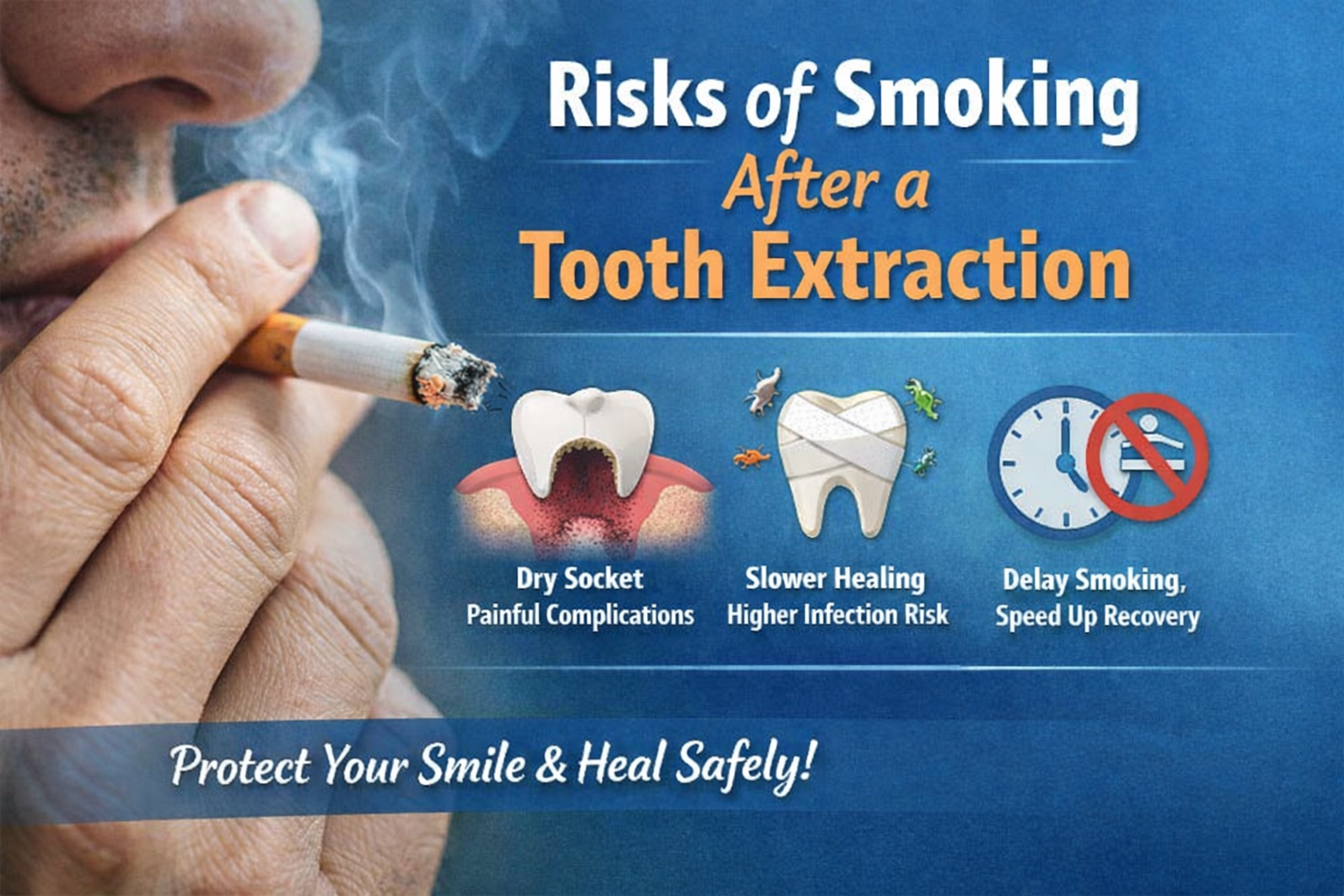
If you’ve recently had a tooth pulled, your mouth needs time—and the right conditions—to heal properly. One of the most important things your dentist will recommend is avoiding smoking after a tooth extraction. While it may feel difficult to pause the habit, smoking can seriously interfere with healing and increase your risk of painful complications.
At Flossophy Dental Studio, we care deeply about helping our patients heal comfortably and confidently. If you smoke and have had an extraction, this guide will help you understand why waiting matters and how you can protect your smile during recovery.
What Happens After a Tooth Extraction?
Once a tooth is removed, your body immediately begins the healing process. A blood clot forms in the empty socket, acting like a natural bandage. This clot:
- Protects exposed bone and nerves
- Helps stop bleeding
- Allows new tissue to grow
Keeping this blood clot in place is critical. Anything that disturbs it can delay healing and cause significant discomfort.
Why Smoking Is Especially Harmful After an Extraction
Smoking affects healing in more ways than most people realize. Here’s why it’s such a big concern:
1. Smoking Can Dislodge the Blood Clot
The suction created when inhaling a cigarette, cigar, or vape can pull the blood clot right out of the socket. When that happens, the extraction site is left exposed and vulnerable.
2. Nicotine Slows Healing
Nicotine restricts blood flow, which means less oxygen and fewer nutrients reach the extraction site. This slows down tissue repair and makes recovery take longer than it should.
While avoiding nicotine is critical for healing your extraction site, it is also a vital part of managing systemic inflammation. To see how we prioritize your whole-body health through modern protocols, explore our Beyond the Chair: The 2026 Guide to Integrative Dentistry
3. Tobacco Increases Bacteria in the Mouth
Smoking introduces harmful chemicals that encourage bacterial growth, increasing your risk of infection at the extraction site.
Dry Socket: A Painful Complication
One of the most common and uncomfortable risks of smoking after tooth extraction is dry socket.
What Is Dry Socket?
Dry socket occurs when the blood clot dissolves or becomes dislodged too early. Without it, the bone and nerves beneath are exposed.
Symptoms may include:
- Severe pain a few days after extraction
- Pain radiating to the ear, jaw, or neck
- Bad breath or a foul taste
- Slow or stalled healing
Smokers are significantly more likely to develop dry socket compared to non-smokers.
Higher Risk of Infection and Prolonged Pain
Because smoking reduces your body’s ability to heal, it also raises the risk of infection. Signs of infection may include:
- Swelling that worsens over time
- Persistent pain
- Fever
- Pus or unusual discharge
Even without infection, smokers often experience longer-lasting pain and swelling, meaning more discomfort and additional dental visits.
How Long Should You Avoid Smoking?
For the best possible recovery:
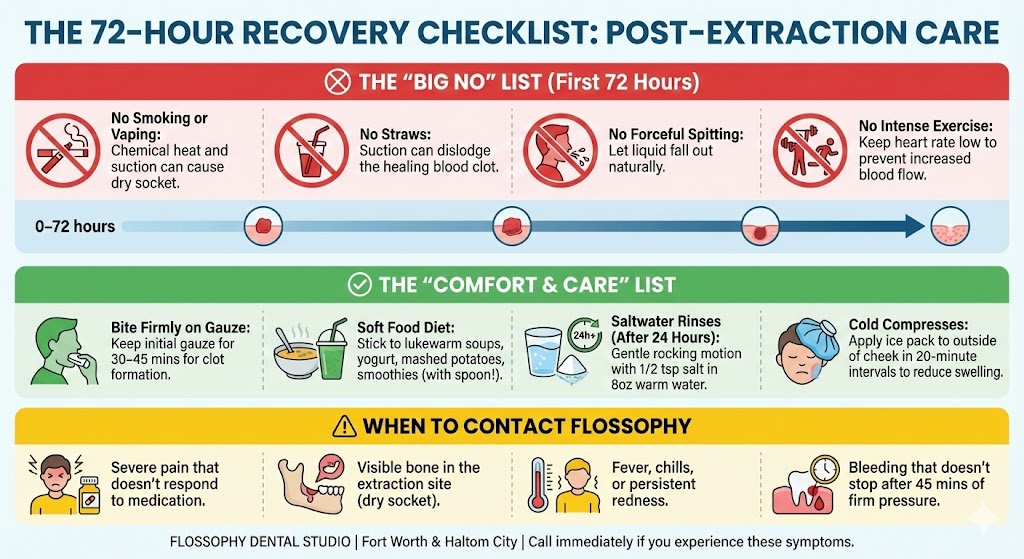
- Avoid smoking for at least 72 hours (3 days)
- Ideally, wait 7 days or more
The longer you wait, the better your chances of healing quickly and without complications. Some patients even use this time as an opportunity to cut back or quit altogether.
Is Vaping or Smokeless Tobacco Safer?
Many people assume alternatives are less harmful—but they still pose risks.
- Vaping creates suction and delivers nicotine, which can disrupt healing
- Chewing tobacco irritates the gums and exposes the wound to harmful chemicals
Neither option is recommended during the healing period.
Tips for a Smoother Recovery
If you’ve had a tooth extraction, these tips can help protect your smile:
- Follow your dentist’s post-op instructions carefully
- Avoid smoking, vaping, or tobacco products
- Eat soft foods and stay hydrated
- Keep your mouth clean without disturbing the socket
- Call your dentist if pain worsens or healing doesn’t improve
We’re Here to Support Your Healing
At Flossophy Dental Studio, we understand that every patient’s situation is different. Our team is here to answer questions, ease concerns, and help you recover comfortably after a tooth extraction.
If you’re experiencing unusual pain or have questions about healing, don’t hesitate to reach out.
📍 Proudly caring for patients in Fort Worth, Haltom City, TX, and surrounding communities. Contact one of our dental offices to learn more about post-extraction care.
Your smile deserves the best care—even after treatment. Taking a short break from smoking can make a big difference in how quickly and comfortably you heal.