$29 Emergency Exam - Walk-Ins Welcome - Same-Day Dental Appointments Available

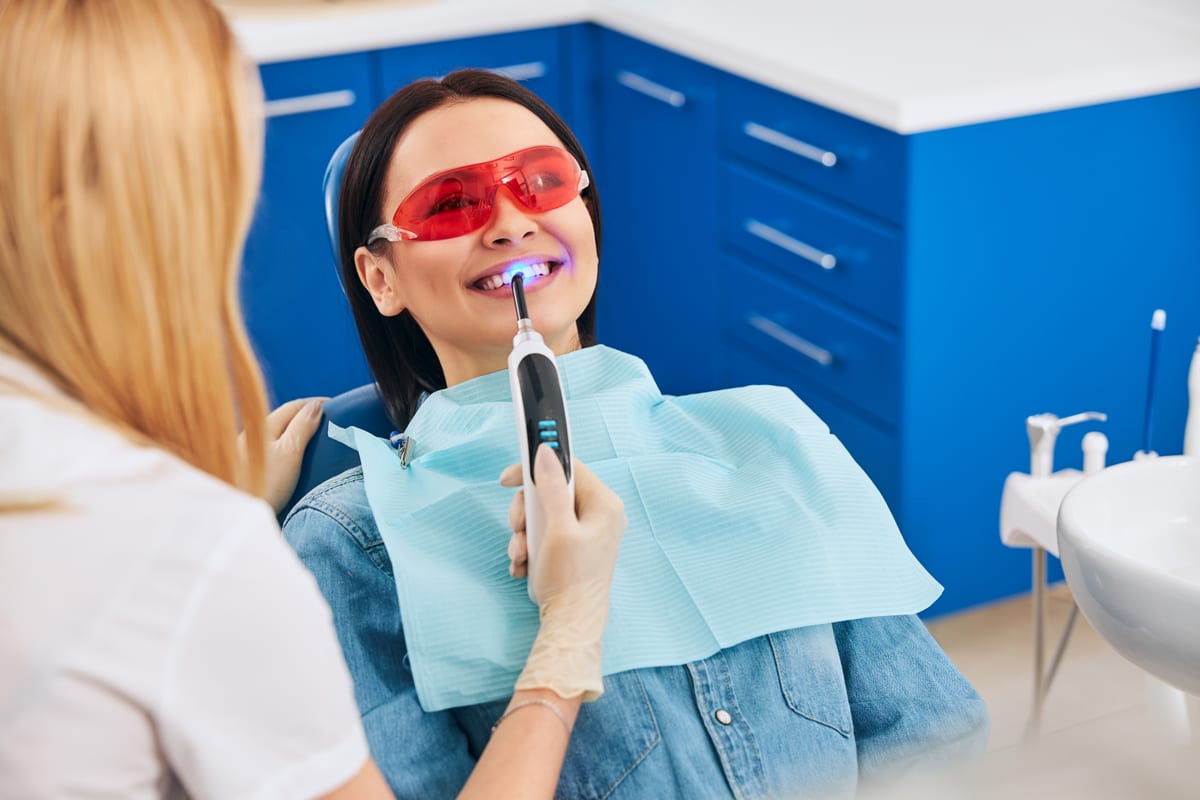
Teeth whitening sensitivity is one of the most common concerns patients in Keller bring up before starting treatment. You want a brighter smile — but not at the cost of sharp, uncomfortable tooth pain. Understanding teeth whitening sensitivity, why it happens, and how to prevent it can make the entire process far more comfortable. At Flossophy Dental Studio, Dr. Matthew Le helps patients achieve beautiful results while keeping sensitivity to a minimum.
Why Teeth Whitening Sensitivity Happens
Whitening products use peroxide-based agents to break down surface stains. These agents can temporarily open the tiny pores in your enamel, called dentinal tubules. When those tubules are exposed, outside stimuli — like cold air or hot drinks — reach the nerve more easily. That is what causes the brief, sharp sensitivity many patients feel.
Not everyone experiences this equally. Some patients have naturally thinner enamel, which offers less protection. Others may have existing gum recession or minor cracks that make the teeth more reactive. Pre-existing sensitivity can also be amplified during the whitening process. Knowing your starting point helps Dr. Le tailor a safer treatment plan for you.
The concentration of the whitening agent also plays a role. Higher-strength gels whiten faster but can increase sensitivity risk. Over-the-counter strips often use lower concentrations, but patients wear them longer — which can have a similar effect. Professional supervision allows for a more controlled, safer approach overall.
How Dentists in Keller Minimize Whitening Sensitivity
One major advantage of professional whitening is that your dentist can take steps to reduce sensitivity before it starts. Dr. Le may recommend a desensitizing treatment applied to the teeth before the whitening session begins. This helps block the dentinal tubules and reduces nerve reactivity during the procedure. A little preparation goes a long way.
Professional-grade whitening gels often contain potassium nitrate or fluoride. These ingredients actively calm the nerve and strengthen enamel during treatment. Over-the-counter products rarely include these protective compounds. That is one of the biggest differences between at-home kits and in-office whitening.
Custom-fitted whitening trays are another key advantage. Ill-fitting trays allow gel to leak onto the gums, causing irritation and increased sensitivity. A dentist creates trays that fit your exact bite. This keeps the gel where it belongs — on the teeth, not the soft tissue.
- Pre-treatment desensitizing gel applied directly to teeth
- Custom trays that prevent gum exposure to whitening agents
- Controlled peroxide concentrations matched to your sensitivity level
- Fluoride treatments after whitening to re-mineralize enamel
- Shorter whitening sessions spaced out over time when needed
What You Can Do at Home to Prevent Sensitivity
Managing sensitivity does not stop at the dental office. There are simple steps Keller patients can take at home to make the process more comfortable. Starting these habits a week or two before your whitening appointment can make a real difference.
Switch to a sensitivity toothpaste containing potassium nitrate or stannous fluoride. Use it consistently in the days leading up to treatment. These ingredients work by filling and sealing the dentinal tubules over time. The longer you use them, the more effective they become.
Avoid very hot or cold foods and drinks around your whitening appointments. Temperature extremes are the most common triggers for post-whitening sensitivity. Give your teeth time to settle — usually 24 to 48 hours after each session. Most sensitivity fades quickly once the enamel begins to remineralize.
- Use sensitivity toothpaste at least one week before treatment
- Avoid extreme food and drink temperatures for 48 hours after whitening
- Do not over-whiten — follow your dentist’s recommended schedule
- Rinse with a fluoride mouthwash to support enamel recovery
- Skip acidic foods like citrus and vinegar immediately after treatment
When Sensitivity May Signal Something More Serious
Mild sensitivity during and after whitening is completely normal. However, prolonged or severe pain is not something to ignore. If sensitivity lasts more than a few days or feels intense, it may indicate an underlying issue. Conditions like deep decay, a cracked tooth, or exposed roots can all be aggravated by whitening agents.
This is another reason professional evaluation matters before starting any whitening treatment. Dr. Le will examine your teeth and gums thoroughly first. If any concerns are found, they will be addressed before whitening begins. Treating problems early protects both your comfort and your long-term oral health.
In some cases, whitening may not be the right immediate step. Patients dealing with severe sensitivity may benefit from restorative care first. Cosmetic Dentistry options can be discussed once the underlying sensitivity is properly managed. Your comfort always comes first at Flossophy Dental Studio.
If you ever experience sudden, severe tooth pain unrelated to whitening, do not wait. Emergency Dentistry services are available to address urgent dental pain quickly and effectively. Prompt care can prevent a small issue from becoming a larger problem.
Is Professional Whitening Worth It for Sensitive Teeth?
For many patients, the answer is yes — when done correctly. Professional whitening gives Dr. Le control over every step of the process. He can adjust concentrations, timing, and protective measures based on your individual needs. That level of customization simply is not possible with store-bought kits.
Patients in Keller with sensitive teeth are not automatically disqualified from whitening. Many people with mild to moderate sensitivity achieve great results with a carefully managed approach. The key is honest communication with your dentist about what you are experiencing. Together, you can build a plan that balances results with comfort.
Whitening treatments have improved significantly in recent years. Newer formulas include built-in desensitizers that work simultaneously with the whitening agents. Results are often just as impressive as older formulas — with noticeably less discomfort. Flossophy Dental Studio uses modern whitening systems designed with patient comfort in mind.
Frequently Asked Questions
How long does teeth whitening sensitivity last?
Most patients experience sensitivity for 24 to 48 hours after a whitening session. It typically fades on its own as the enamel remineralizes. Using a sensitivity toothpaste and avoiding temperature extremes during this window helps speed recovery.
Can I whiten my teeth if I already have sensitive teeth?
Yes, in many cases. Dr. Le will evaluate your teeth before recommending any whitening treatment. With the right desensitizing preparation and a controlled whitening protocol, many patients with pre-existing sensitivity still achieve great results comfortably.
Are over-the-counter whitening strips safe for sensitive teeth?
They can be used, but with caution. Over-the-counter strips do not include professional desensitizers and offer no custom fit. Patients with sensitivity often find professional whitening more comfortable because of the protective measures dentists can apply before and after treatment.
What ingredients should I look for in a sensitivity toothpaste?
Look for potassium nitrate or stannous fluoride as active ingredients. These compounds help seal dentinal tubules and calm nerve activity over time. Using this toothpaste consistently for one to two weeks before whitening can significantly reduce discomfort.
How do I know if my sensitivity is normal or a sign of a dental problem?
Normal whitening sensitivity is mild to moderate and fades within 48 hours. If you experience severe pain, sensitivity that worsens over several days, or pain unrelated to temperature, contact your dentist. These could be signs of decay, a crack, or another condition that needs attention before whitening continues.
Dr. Matthew Le and the team at Flossophy Dental Studio are here to help Keller patients whiten safely and comfortably. You deserve a brighter smile without unnecessary pain. Book Now to schedule your appointment with our team.