$29 Emergency Exam - Walk-Ins Welcome - Same-Day Dental Appointments Available

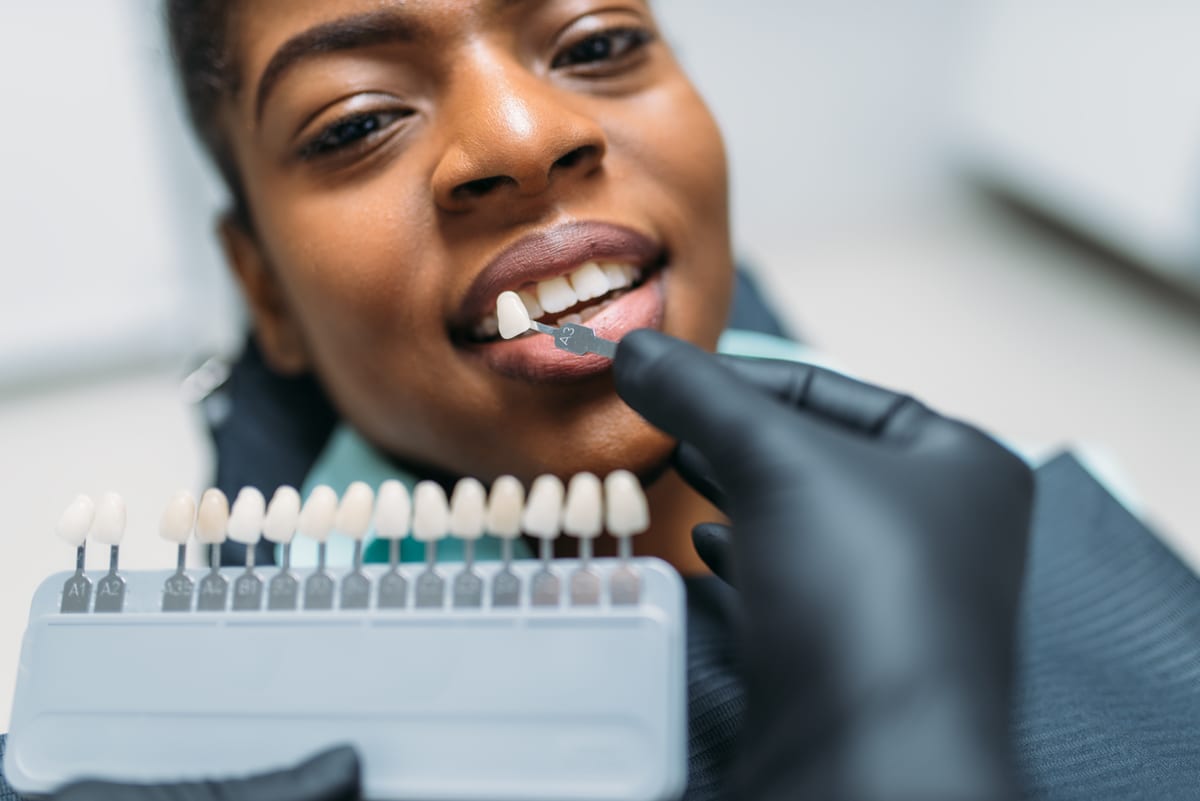
Getting veneers is an exciting investment in your smile. But your new veneers won’t last without these 5 essential care steps in Blue Mound — and most patients don’t learn this until it’s too late. Veneers are durable, but they aren’t indestructible. The right daily habits and professional maintenance make all the difference between a smile that lasts a decade and one that chips, stains, or loosens within a few years.
At Flossophy Dental Studio of Haltom City, Dr. Matthew Le works with patients across Blue Mound and the surrounding areas. He sees firsthand how small care mistakes can shorten the life of even the best veneers. This guide covers exactly what you need to know to protect your investment.
Step 1 — Avoid These Foods and Habits That Damage Veneers in Blue Mound
Veneers are made of thin porcelain or composite resin. They bond to the front surface of your teeth. But certain foods and habits create stress that can crack or loosen them over time.
Hard foods are one of the biggest threats. Biting into ice, hard candy, or crusty bread puts significant pressure on veneers. That pressure can cause micro-fractures you won’t notice right away — but they add up quickly.
Watch out for these common veneer-damaging habits:
- Biting your nails or chewing on pens
- Using your teeth to open packages or bottles
- Chewing on ice regularly
- Grinding or clenching your teeth at night
- Biting directly into very hard fruits like raw apples
Nail biting is especially common and especially harmful. The repetitive stress weakens the bonding agent holding your veneer in place. Break this habit as soon as your veneers are placed.
Step 2 — Protect Your Veneers From Staining Drinks and Foods
Porcelain veneers resist staining better than natural teeth. However, the bonding material around the edges can still discolor. That creates an uneven appearance over time.
Coffee, red wine, tea, and dark sodas are the most common culprits. Berries, tomato-based sauces, and soy sauce can also stain the bonding edges. You don’t have to eliminate these completely, but moderation matters.
Here are simple strategies to reduce staining risk:
- Drink staining beverages through a straw when possible
- Rinse your mouth with water immediately after consuming dark drinks
- Brush within 30 minutes of eating staining foods
- Avoid smoking or tobacco — it causes significant discoloration
Tobacco use is one of the fastest ways to ruin the appearance of veneers. Nicotine yellows the bonding material and damages gum health beneath the veneer. Quitting smoking protects both your veneers and your overall oral health.
Step 3 — Use the Right Products for Veneer-Safe Oral Hygiene
Not all toothpastes and mouthwashes are safe for veneers. Some products contain abrasives or chemicals that scratch porcelain or weaken the bond. Choosing the wrong products accelerates wear.
Avoid whitening toothpastes with harsh abrasives. They can dull the shine of your veneers over time. Also avoid mouthwashes that contain high levels of alcohol — alcohol softens the bonding resin with repeated exposure.
Instead, look for these veneer-friendly product features:
- Non-abrasive toothpaste labeled safe for restorations
- Soft-bristled toothbrush — never medium or hard bristles
- Alcohol-free mouthwash with fluoride
- Waxed dental floss or a water flosser for gentle cleaning between teeth
Dr. Matthew Le recommends asking your hygienist for specific product recommendations at your next visit. The right tools protect both your veneers and the natural teeth beneath them.
Step 4 — Wear a Night Guard if You Grind Your Teeth
Bruxism — teeth grinding — is one of the most destructive forces your veneers will face. Many people grind or clench at night without realizing it. Over time, this wears down the porcelain surface and can even crack a veneer completely.
A custom night guard acts as a protective barrier between your upper and lower teeth. It absorbs the pressure from grinding so your veneers don’t have to. This small investment significantly extends the lifespan of your veneers.
Signs you may be grinding your teeth include waking up with jaw soreness, headaches in the morning, or noticing your teeth feel sensitive. If any of these sound familiar, talk to Dr. Le at your next appointment. Getting fitted for a night guard is simple and comfortable.
Step 5 — Keep Up With Professional Maintenance Visits Near Blue Mound
Your new veneers won’t last without these 5 essential care steps in Blue Mound — and professional maintenance is the one most patients skip. Routine dental visits do more than clean your teeth. They protect the longevity of your veneers in several important ways.
During each cleaning, your hygienist uses veneer-safe polishing techniques. They check the bonding edges for early signs of wear or separation. Catching small issues early prevents costly repairs later.
Dr. Le also evaluates your bite alignment at regular visits. If your bite shifts, it can put uneven pressure on your veneers. Addressing this early protects the entire restoration.
If a veneer does chip or loosen unexpectedly, don’t wait. Reach out for Emergency Dentistry right away. Acting quickly prevents damage to the underlying tooth and makes repair much simpler.
Veneers are one of the most beautiful and effective services within Cosmetic Dentistry. Protecting them with regular professional visits ensures your smile stays bright and healthy for years to come.
What to Expect During Long-Term Veneer Care
Porcelain veneers typically last 10 to 15 years with proper care. Composite resin veneers last around 5 to 7 years. Both types benefit enormously from consistent daily habits and professional oversight.
As time passes, your dentist may recommend minor adjustments. Bonding edges may need re-sealing. Gum tissue naturally shifts slightly with age, which can affect how veneers look at the gumline. These are normal and manageable with routine care.
Think of your veneers like a quality piece of furniture. They require attention and respect to maintain their appearance. Neglect accelerates wear — consistent care keeps them beautiful.
Patients in Blue Mound who commit to all five of these steps consistently report that their veneers look and feel great well beyond the average lifespan. The effort you invest in daily care pays off in a lasting, confident smile.
Schedule Your Veneer Maintenance With Dr. Matthew Le
Your veneers represent real time, money, and trust in your dental care. Protecting them doesn’t require complicated routines — it requires consistent, informed habits. The five steps above give you a clear roadmap to follow starting today.
At Flossophy Dental Studio of Haltom City, Dr. Matthew Le and his team are proud to serve patients in Blue Mound and across the area. Whether you need a routine cleaning, a night guard fitting, or guidance on veneer-safe products, we’re here to help you get the most from your smile investment.
Don’t wait until something goes wrong. Proactive care is always easier and more affordable than repair. Book Now to schedule your appointment with our team.
Frequently Asked Questions
How often should I visit the dentist after getting veneers?
Most patients should visit every six months for a professional cleaning and veneer check. Dr. Le may recommend more frequent visits depending on your individual needs and bite patterns. Regular visits catch small issues before they become expensive problems.
Can I still whiten my teeth if I have veneers?
Traditional whitening treatments do not work on porcelain or composite veneers. Whitening gels affect natural tooth enamel only. If you want a brighter smile with veneers, talk to Dr. Le about options that keep everything looking uniform and natural.
What should I do if a veneer chips or falls off?
Contact Flossophy Dental Studio of Haltom City as soon as possible. A chipped or detached veneer is a dental concern that needs prompt attention. Keep the veneer piece safe if you can, and avoid eating on that side of your mouth until you’re seen.
Is it normal for veneers to feel sensitive right after placement?
Some mild sensitivity is common in the first few days after veneer placement. Your teeth adjust to the new bonding material and the slight reduction in enamel during preparation. If sensitivity is severe or lasts more than two weeks, call the office for an evaluation.
Are there specific foods I can never eat with veneers?
You don’t need to eliminate entire food groups, but moderation and technique matter. Cut hard foods into smaller pieces rather than biting into them directly. Limit staining foods and drinks when possible, and rinse with water after consuming them. Simple adjustments protect your veneers long-term.