$29 Emergency Exam - Walk-Ins Welcome - Same-Day Dental Appointments Available

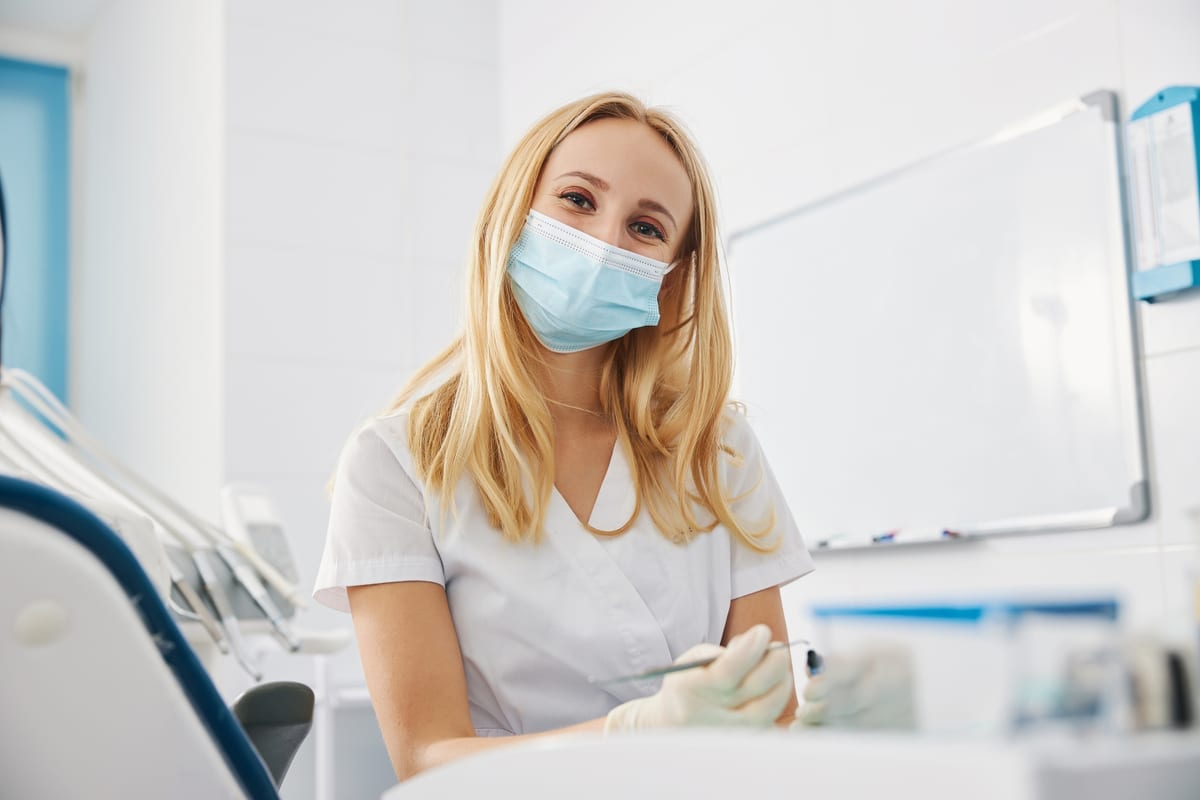
You just left your dental cleaning feeling great. Your teeth feel smooth, fresh, and polished. But here is the truth most patients never hear: what you do after your cleaning determines how long results last in Fort Worth just as much as the cleaning itself. The next few hours are critical. The choices you make right after your appointment can either protect your newly cleaned teeth or undo a lot of that hard work.
At Flossophy Dental Studio, Dr. Matthew Le wants every patient to walk away with more than just clean teeth. He wants you to keep them that way. This guide covers exactly what to do — and what to avoid — so your results last as long as possible.
Why the Hours After Your Cleaning Matter Most
During a professional cleaning, your hygienist removes built-up plaque, tartar, and surface stains. Your enamel and gum tissue are freshly exposed and slightly more sensitive right after treatment. That sensitivity makes your teeth more vulnerable to staining agents and bacteria in the short term.
Think of it like a freshly washed car. You would not immediately drive it through mud. The same logic applies to your teeth after a cleaning. The enamel surface is clean and temporarily more porous. What touches your teeth in the first 24 to 48 hours matters significantly.
Plaque also begins reforming within hours of a cleaning. Your habits right after the appointment set the tone for how quickly bacteria rebuild. Protecting that clean foundation early gives you a real advantage over time.
What to Avoid Right After Your Cleaning in Fort Worth
Certain foods and drinks are especially harmful in the hours following a cleaning. Staining beverages like coffee, tea, and red wine should be avoided for at least 24 hours. Your enamel is more susceptible to absorbing pigments during this window.
Here is a quick list of what to skip after your appointment:
- Coffee and dark teas
- Red wine and dark juices
- Tomato-based sauces and curries
- Tobacco products of any kind
- Sugary snacks and sticky candies
- Acidic foods like citrus fruits and vinegar-based dressings
Tobacco is especially damaging. Smoking or chewing tobacco right after a cleaning introduces staining chemicals directly onto freshly cleaned surfaces. It also slows gum healing if any inflammation was present. Avoiding tobacco for at least 24 hours gives your gums a better chance to recover.
Acidic foods weaken enamel temporarily. Even healthy options like oranges or lemonade can cause minor erosion when consumed right after a cleaning. Give your enamel a few hours to settle before reintroducing acidic foods into your diet.
What You Should Do in the First 24 Hours
Now for the good news — there is plenty you can do to actively protect your results. Start with water. Drinking water after your cleaning helps rinse away any residual debris and keeps your mouth hydrated. Hydration also supports healthy saliva production, which naturally protects your enamel.
Here are the best aftercare habits to follow right away:
- Drink plenty of water throughout the day
- Brush gently with a soft-bristled toothbrush before bed
- Floss carefully, especially if your gums feel tender
- Use a fluoride toothpaste to strengthen enamel
- Rinse with an alcohol-free mouthwash if recommended by your hygienist
- Eat soft, light-colored foods like yogurt, bananas, or white rice
If your gums feel sore after a deeper cleaning, that is completely normal. A light saltwater rinse can soothe tender gum tissue. Mix half a teaspoon of salt into a glass of warm water and swish gently for 30 seconds. Repeat two to three times during the day for relief.
Sensitivity to hot or cold foods is also common after a cleaning. It typically fades within 24 to 48 hours. If sensitivity persists beyond that, contact Flossophy Dental Studio so Dr. Le can take a closer look.
How to Make Your Cleaning Results Last Longer Between Visits
A professional cleaning is a reset button — but your daily habits determine how long that reset lasts. Brushing twice daily for two full minutes removes the plaque that reforms throughout the day. Most people rush this step. Taking the full two minutes makes a real difference.
Flossing once daily is non-negotiable. It cleans the spaces between your teeth that your toothbrush simply cannot reach. Bacteria thrive in those tight spaces and are a leading cause of both cavities and gum disease. Flossing disrupts that bacterial buildup before it hardens into tartar.
Diet plays a long-term role too. Reducing your intake of sugary drinks and processed snacks limits the fuel bacteria need to grow. Crunchy vegetables like carrots and celery can actually help scrub tooth surfaces naturally between brushings.
If you are interested in enhancing your smile beyond a cleaning, explore what Cosmetic Dentistry Fort Worth has to offer at Flossophy Dental Studio. Options like teeth whitening and veneers can complement your fresh-cleaned smile beautifully.
When to Call Your Dentist After a Cleaning
Most patients feel fine after a routine cleaning. But certain symptoms deserve attention right away. Do not ignore pain that worsens after the first 48 hours instead of improving. That could signal an underlying issue your hygienist noticed during the visit.
Bleeding gums that do not settle within a day or two are worth a call. Some light bleeding during and just after a cleaning is normal, especially if gum inflammation was present. Persistent or heavy bleeding is not.
If you experience a sudden toothache or sharp pain after your cleaning, reach out immediately. You may need Emergency Dentistry Fort Worth services if the pain is severe or accompanies swelling. Dr. Le and the team at Flossophy Dental Studio are here to help when something does not feel right.
Staying proactive after your cleaning is just as important as the cleaning itself. When in doubt, call the office and describe what you are experiencing. Early action almost always leads to better outcomes.
Conclusion: Protect Your Clean Smile Every Day
A professional cleaning from Dr. Matthew Le at Flossophy Dental Studio gives your smile a powerful head start. But what you do after your cleaning determines how long results last in Fort Worth — and that part is entirely in your hands. Avoid staining foods and tobacco for the first 24 hours. Stay hydrated. Brush and floss consistently. And reach out if anything feels off. Your clean smile is worth protecting. Book Now to schedule your appointment with our team.
Frequently Asked Questions
Can I eat right after a dental cleaning?
Yes, but choose wisely. Stick to soft, light-colored foods for the first few hours. Avoid staining foods like coffee, red wine, and tomato sauce for at least 24 hours after your cleaning. Your enamel is temporarily more porous and absorbs pigments more easily during this window.
How long does tooth sensitivity last after a cleaning?
Mild sensitivity to hot or cold is normal and usually fades within 24 to 48 hours. If your sensitivity persists beyond two days or feels severe, contact Flossophy Dental Studio so Dr. Le can evaluate what is happening.
Is it normal for my gums to bleed after a cleaning?
Some light bleeding right after a cleaning is common, especially if you had any gum inflammation. It should stop within 24 hours. If bleeding continues beyond that or is heavy, call the office. Persistent bleeding may signal gum disease that needs further attention.
How often should I get a professional teeth cleaning?
Most patients benefit from a cleaning every six months. However, some people with a history of gum disease or heavy plaque buildup may need more frequent visits. Dr. Le will recommend the right schedule based on your individual oral health needs.
What can I do to make my cleaning results last longer?
Brush twice daily for two full minutes using fluoride toothpaste. Floss once a day to remove plaque between teeth. Limit sugary snacks and staining beverages. Stay hydrated with water throughout the day. And keep your regularly scheduled dental appointments so small issues do not become bigger problems.