$29 Emergency Exam - Walk-Ins Welcome - Same-Day Dental Appointments Available

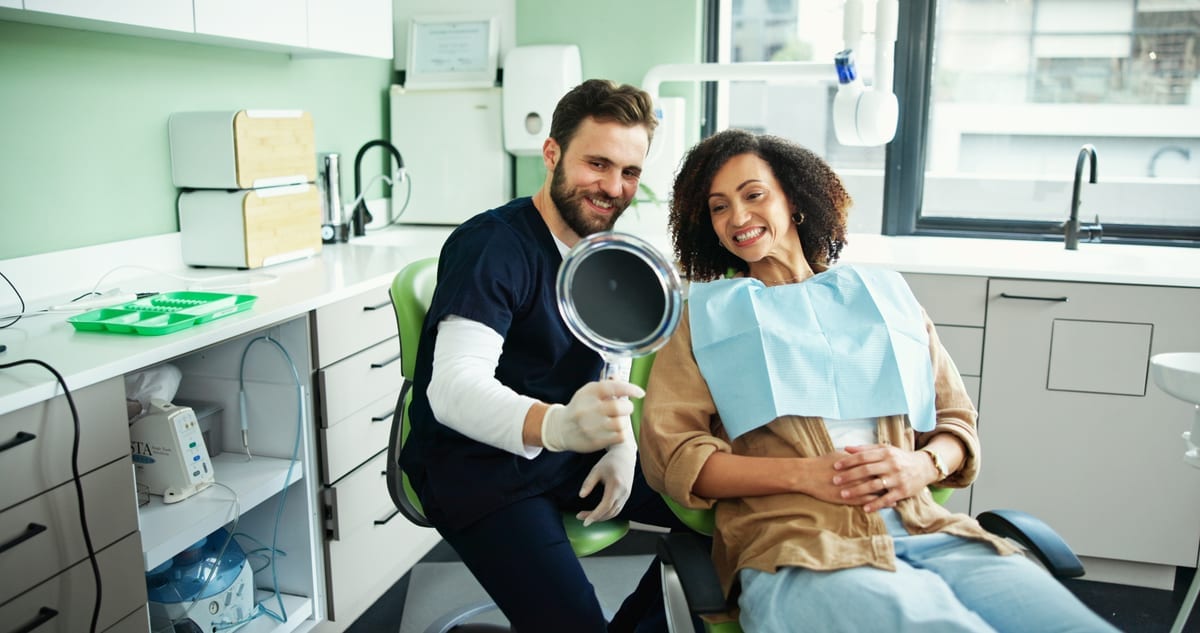
Will your dental restoration last 10 years or 20? It depends on this Fort Worth patients often overlook — daily habits, material choice, and professional upkeep. A crown, implant, or veneer is an investment in your smile. How long that investment lasts is largely in your hands. At Flossophy Dental Studio, Dr. Matthew Le helps patients in Fort Worth, TX understand exactly what drives restoration longevity.
What Determines How Long a Dental Restoration Lasts in Fort Worth?
Not all dental restorations are created equal. The material, placement technique, and your oral environment all play major roles. A porcelain crown placed over a damaged molar faces different stresses than a composite veneer on a front tooth.
Here are the core factors that determine restoration lifespan:
- Material type: Zirconia and porcelain-fused-to-metal crowns typically outlast composite resin restorations.
- Bite force and alignment: Misaligned bites place uneven pressure on restorations and shorten their life.
- Oral hygiene habits: Poor brushing and flossing accelerate decay around restoration margins.
- Grinding or clenching: Bruxism is one of the fastest ways to crack or chip a restoration.
- Underlying tooth health: A restoration placed on a weakened tooth will not last as long as one on a healthy structure.
Understanding these variables helps you make smarter decisions. Dr. Le always discusses material options and risk factors before beginning any restorative work.
Average Lifespans by Restoration Type
Different restorations have different timelines. Knowing what to expect helps you plan and budget accordingly.
- Dental implants: 20–25 years or longer with proper care — often considered permanent.
- Porcelain crowns: 10–15 years on average, sometimes 20 with excellent home care.
- Composite fillings: 5–10 years before they typically need replacement.
- Porcelain veneers: 10–20 years depending on bite, habits, and maintenance.
- Dental bridges: 10–15 years with routine professional cleanings and good hygiene.
These are averages, not guarantees. Fort Worth patients who follow preventive care protocols consistently outperform these benchmarks. Those who skip cleanings or neglect home care often fall short of them.
The type of restoration matters, but your daily behavior matters just as much. That is the core message Dr. Le shares with every patient at Flossophy Dental Studio.
Habits That Shorten — or Extend — Your Restoration’s Life
Your daily choices directly impact how long your dental work holds up. Some habits silently damage restorations over time. Others actively protect them.
Habits that shorten lifespan:
- Chewing ice or hard candy regularly
- Using teeth as tools to open packaging
- Grinding teeth at night without a nightguard
- Skipping flossing around crowns and bridges
- Drinking excessive acidic beverages that erode margins
Habits that extend lifespan:
- Brushing twice daily with a soft-bristle toothbrush
- Flossing around every restoration, every day
- Wearing a custom nightguard if you grind your teeth
- Attending biannual professional cleanings at Flossophy Dental Studio
- Addressing chips or sensitivity early before damage spreads
Small habit shifts compound over years. A patient who protects their porcelain crown carefully may still have it functioning at 18 years. One who grinds nightly without a guard may need replacement at seven.
The Role of Professional Maintenance in Fort Worth
Professional maintenance is not optional — it is essential. Even perfect home care cannot substitute for a trained eye evaluating your restoration. Dr. Le checks margins, bite alignment, and surrounding tissue at every visit.
During routine cleanings, the hygiene team at Flossophy Dental Studio removes buildup that accumulates where restorations meet natural tooth structure. That buildup, if left unchecked, leads to secondary decay and early restoration failure.
Dental X-rays catch problems invisible to the naked eye. A hairline crack under a crown or early decay at a filling margin can be addressed before it becomes a major issue. Catching problems early saves time, money, and tooth structure.
For patients with more complex restorations — such as implants or full-arch work — Dr. Le may recommend more frequent check-ins. This is not excessive caution. It is proactive stewardship of a significant investment.
When Restorations Fail Early — and What to Do in Fort Worth
Sometimes restorations fail before their expected lifespan. This can feel discouraging, but it is important to respond quickly. Delaying treatment after a restoration fails often creates larger, more expensive problems.
Signs your restoration may need attention include sensitivity to temperature, visible cracks, looseness, or pain when biting. Do not wait for your next scheduled appointment if you notice these symptoms. Emergency Dentistry Fort Worth services exist precisely for these situations — prompt care protects both the restoration and the underlying tooth.
In many cases, early intervention means a simple repair rather than full replacement. The sooner you call, the more options you have. Fort Worth patients who address issues early consistently achieve better long-term outcomes.
Combining Restorative and Cosmetic Goals for Lasting Results
Many patients in Fort Worth pursue dental work for both function and aesthetics. A crown must hold up to chewing forces and look natural. Veneers must resist staining and maintain their shape for years.
When restorative and cosmetic goals align, patients often get the best of both worlds. Cosmetic Dentistry Fort Worth at Flossophy Dental Studio is designed with longevity in mind, not just immediate results. Dr. Le selects materials and techniques that deliver beauty and durability together.
Patients who invest in both restorative quality and cosmetic outcomes tend to care for their smiles more attentively. That attentiveness pays off in longer-lasting results across the board.
Your Next Step Toward a Longer-Lasting Smile in Fort Worth
The difference between a restoration that lasts a decade and one that lasts two decades is not luck. It comes down to material quality, professional placement, ongoing maintenance, and daily habits. Every one of those factors is within your control — especially with the right dental partner.
Dr. Matthew Le and the team at Flossophy Dental Studio are committed to helping Fort Worth patients get the most from every dental investment. Whether you are considering a new restoration or maintaining an existing one, we are here to guide you at every stage. Book Now to schedule your appointment with our team.
Frequently Asked Questions
How long do dental crowns typically last in Fort Worth?
Dental crowns typically last between 10 and 15 years. With excellent oral hygiene and regular professional maintenance, many patients in Fort Worth see their crowns last 20 years or more. Material choice and bite alignment are key factors in crown longevity.
What is the longest-lasting dental restoration available?
Dental implants are generally considered the longest-lasting restoration option. With proper care, they can last 20–25 years or even a lifetime. The implant post integrates with the jawbone, creating a stable and durable foundation that other restorations cannot match.
Does teeth grinding really damage dental restorations?
Yes, bruxism — chronic teeth grinding — is one of the most common causes of early restoration failure. It places excessive pressure on crowns, veneers, and fillings. Dr. Le often recommends a custom nightguard to protect restorations for patients who grind at night.
How often should I visit the dentist to maintain my restoration?
Most patients benefit from visiting Flossophy Dental Studio every six months for a professional cleaning and examination. Patients with more complex restorations like implants or bridges may benefit from more frequent visits. Regular check-ups allow Dr. Le to catch small issues before they become major problems.
Can a failed dental restoration be repaired instead of replaced?
In many cases, yes. Minor chips, loose crowns, or early margin breakdown can often be repaired rather than fully replaced — especially if addressed promptly. The key is not to delay. Contacting Flossophy Dental Studio as soon as you notice a problem gives you the best chance of a simple, affordable fix.