$29 Emergency Exam - Walk-Ins Welcome - Same-Day Dental Appointments Available

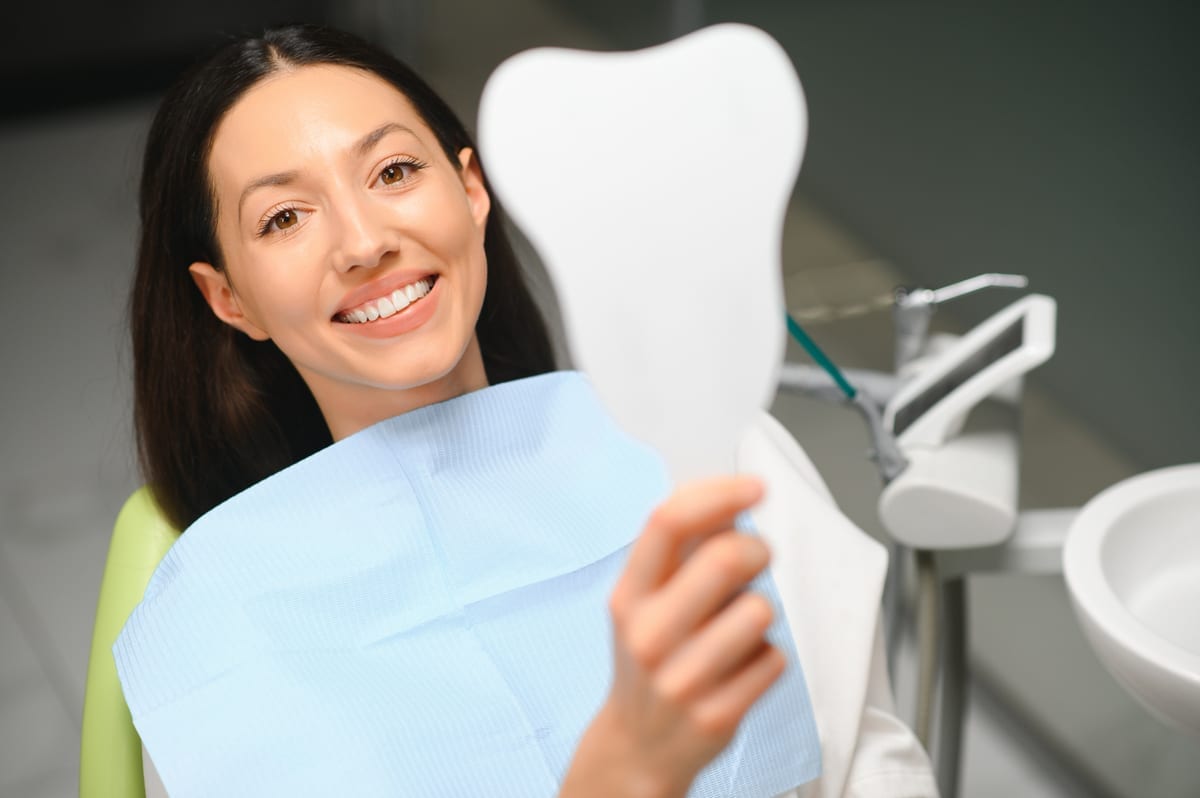
A dental crown is a significant investment in your smile. Most patients in Fort Worth expect their crown to last well over a decade. In fact, when properly placed and maintained, your dental crowns will last 15 years—here’s why some don’t in Fort Worth, and what you can do to make sure yours goes the distance. Understanding the factors that affect crown longevity can save you time, discomfort, and money down the road.
How Long Do Dental Crowns Actually Last in Fort Worth?
The average dental crown lasts between 10 and 15 years. Many last even longer with the right care. However, lifespan varies based on materials, placement, and daily habits.
Porcelain crowns look natural but can chip under heavy pressure. Porcelain-fused-to-metal crowns offer more durability. Full metal or zirconia crowns tend to last the longest of all options.
At Flossophy Dental Studio, Dr. Matthew Le helps Fort Worth patients choose the right crown material for their lifestyle. Getting that choice right from the start makes a huge difference in long-term results.
Top Reasons Your Dental Crown Won’t Last 15 Years
Several common habits and conditions cut crown lifespan short. Knowing these risks helps you take action before damage occurs.
- Teeth grinding (bruxism): Nighttime grinding puts enormous pressure on crowns. A custom night guard can protect your crown significantly.
- Poor oral hygiene: Bacteria collect at the crown margin. This leads to decay beneath the crown and eventual failure.
- Chewing hard foods: Ice, hard candy, and popcorn kernels can crack porcelain crowns instantly.
- Skipping dental checkups: Small problems go undetected without regular professional exams.
- Gum disease: Receding gums expose the crown margin and weaken the supporting tooth structure.
- Using teeth as tools: Opening packages or bottles with your teeth stresses the crown unnecessarily.
Many Fort Worth patients don’t realize that what happens after crown placement matters just as much as the procedure itself. Lifestyle choices are often the deciding factor between a crown that lasts 8 years and one that lasts 20.
What Extends the Lifespan of a Dental Crown?
The good news is that most crown-shortening factors are within your control. Building a few simple habits can add years to your restoration.
Brush twice daily with a soft-bristled toothbrush. Floss carefully around the crown every day. Use a non-abrasive fluoride toothpaste to protect the tooth beneath.
Visit Flossophy Dental Studio for cleanings and exams at least twice a year. Dr. Le checks crown integrity at every visit. Catching micro-fractures or margin gaps early prevents larger problems later.
- Wear a custom night guard if you grind your teeth
- Avoid biting fingernails or chewing on pens
- Stay hydrated — dry mouth increases decay risk around crowns
- Eat a balanced diet low in sugary and acidic foods
- Report sensitivity or changes in bite immediately to your dentist
These steps are straightforward but genuinely effective. Patients who follow them consistently see their crowns perform at the high end of the expected lifespan range.
The Role of Crown Placement in Long-Term Success
Even the best habits cannot compensate for a poorly placed crown. The quality of the original procedure matters enormously for longevity.
A well-fitted crown should sit flush at the gum line without gaps. Any space between the crown and natural tooth creates a pathway for bacteria. Over time, this leads to decay that destabilizes the entire restoration.
Bite alignment is equally important. If your crown sits even slightly too high, the extra pressure accelerates wear on the porcelain. Dr. Le carefully checks bite balance after every crown placement at Flossophy Dental Studio.
The cement used to bond the crown also affects longevity. Modern dental adhesives create strong, long-lasting bonds. Older crowns placed with outdated cements are more prone to loosening over time.
When to Seek Emergency Care for a Crown Problem in Fort Worth
Sometimes a crown fails unexpectedly. Knowing when to act quickly can prevent a minor issue from becoming a major one.
If your crown falls off, keep it safe and call your dentist right away. The exposed tooth is vulnerable to damage and sensitivity. Prompt attention protects both the tooth and the original crown if it can be re-cemented.
Pain around a crowned tooth is never normal. It may indicate decay beneath the crown or an infection in the root. These situations require urgent professional evaluation.
If you experience a crown emergency, Emergency Dentistry Fort Worth services at Flossophy Dental Studio are available to help you get fast relief. Do not wait and hope the problem resolves on its own.
Crowns, Cosmetics, and Your Long-Term Smile Plan
Dental crowns often work alongside other cosmetic treatments. Understanding how they fit into your broader smile goals helps you plan smarter.
Crowns can restore a broken tooth while also improving its appearance. They are frequently combined with whitening, veneers, or implants for full smile transformations. If you are exploring multiple options, Cosmetic Dentistry Fort Worth at Flossophy Dental Studio offers comprehensive consultations to map out the best path forward.
Planning treatments in the right sequence protects your results. For example, whitening should happen before crown color is matched. Dr. Le guides Fort Worth patients through these decisions with clarity and care.
Conclusion: Protect Your Crown Investment in Fort Worth
A dental crown is built to serve you for well over a decade. The right material, skilled placement, and consistent daily care are the three pillars of crown longevity. Fort Worth patients who stay proactive with their dental care regularly enjoy crowns that outlast the average lifespan estimate.
Dr. Matthew Le and the team at Flossophy Dental Studio are committed to helping you get the most from every restoration. Whether you need a new crown, a checkup on an existing one, or guidance on protecting your smile long-term, we are here to help. Book Now to schedule your appointment with our team.
Frequently Asked Questions
How long do dental crowns typically last?
Most dental crowns last between 10 and 15 years with proper care. Some crowns, particularly those made from zirconia or metal, can last 20 years or more. Daily oral hygiene and regular dental visits play a major role in determining the actual lifespan.
What is the most durable type of dental crown?
Full metal and zirconia crowns are generally the most durable options available. They resist chipping and cracking better than porcelain alone. Dr. Matthew Le at Flossophy Dental Studio can help you choose the best material based on the location of the tooth and your bite habits.
Can a dental crown fail even with good oral hygiene?
Yes, although good oral hygiene significantly reduces the risk of failure. Crowns can still fail due to teeth grinding, bite misalignment, or wear over many years. Regular checkups allow your dentist to spot early signs of crown trouble before failure occurs.
What should I do if my crown feels loose or falls off?
Contact your dentist as soon as possible if your crown feels loose or comes off completely. Keep the crown in a safe place and avoid eating on that side of your mouth. Prompt attention can often save the original crown and protect the underlying tooth from further damage.
Does getting a new crown mean the tooth has to be reshaped again?
When a crown needs replacement, the underlying tooth structure is already shaped from the original preparation. The dentist will evaluate the tooth and take new impressions for the replacement crown. In most cases, the reshaping required is minimal compared to the original procedure.