$29 Emergency Exam - Walk-Ins Welcome - Same-Day Dental Appointments Available

If your dentures once felt snug but now feel loose, you are not alone. Many Fort Worth patients ask why their dentures stop fitting and what to do next. The answer almost always comes down to one silent, ongoing process: bone resorption. Understanding this process helps you make smarter decisions about your oral health. Dr. Matthew Le at Flossophy Dental Studio is here to walk you through exactly what happens and what your options are.
Why Dentures Stop Fitting Over Time in Fort Worth
When you lose natural teeth, the jawbone underneath begins to shrink. This process is called bone resorption. Your bone needs the stimulation of tooth roots to maintain its shape and density. Without that stimulation, the bone gradually changes in size and contour.
Bone resorption happens slowly but steadily. Most patients lose noticeable bone volume within the first year after tooth loss. Over five to ten years, the changes become significant enough to affect how a denture fits. A denture made for your original jawbone shape simply no longer matches your current jaw.
The result is a denture that slips, clicks, or causes sore spots. Some patients notice it becomes harder to chew or speak clearly. Others find their face looks different because their jaw support has shifted. These are all signs that your denture fit has changed and needs attention.
Warning Signs Your Dentures Need Adjustment
Recognizing the warning signs early can prevent bigger problems down the road. Loose or shifting dentures put pressure on uneven spots in your gums. This leads to irritation, sores, and even accelerated bone loss over time.
Watch for these common signs that your dentures no longer fit properly:
- Slipping or shifting when you eat or speak
- Clicking sounds during normal jaw movement
- Sore spots or irritated areas on your gums
- Difficulty chewing foods you previously handled easily
- Noticeable gaps between the denture base and your gums
- Changes in your facial appearance or lip support
If you notice any of these signs, schedule a visit with Dr. Le as soon as possible. Waiting too long allows bone changes to progress further. Early intervention typically means simpler, more affordable solutions.
Your Options: Relining, Rebasing, and Replacement
Once you understand why your dentures stopped fitting, the next step is knowing what to do about it. There are three main solutions: relining, rebasing, and full replacement. The right choice depends on how much bone change has occurred and the overall condition of your existing dentures.
Relining is the most common and conservative option. A dentist adds new material to the tissue-side of your existing denture to improve the fit. This reshapes the base to match your current gum contours. Relining works well when the teeth and overall structure of the denture are still in good shape.
Rebasing goes a step further than relining. The entire base of the denture is replaced with new acrylic while keeping the existing artificial teeth. This is a good option when the base has worn out but the teeth themselves still look and function well.
Replacement becomes necessary when the denture is too old or damaged to be reworked. Most dentures have a lifespan of five to eight years. After that, the materials wear down and bone changes become too significant for relining to fully correct. A new denture is made to fit your current jaw shape precisely.
When to Consider Dental Implants as a Long-Term Solution
Dentures and bone resorption exist in a difficult cycle. The more your bone shrinks, the worse your dentures fit. The more poorly they fit, the more pressure they place on your gums and bone. This can actually accelerate bone loss over time.
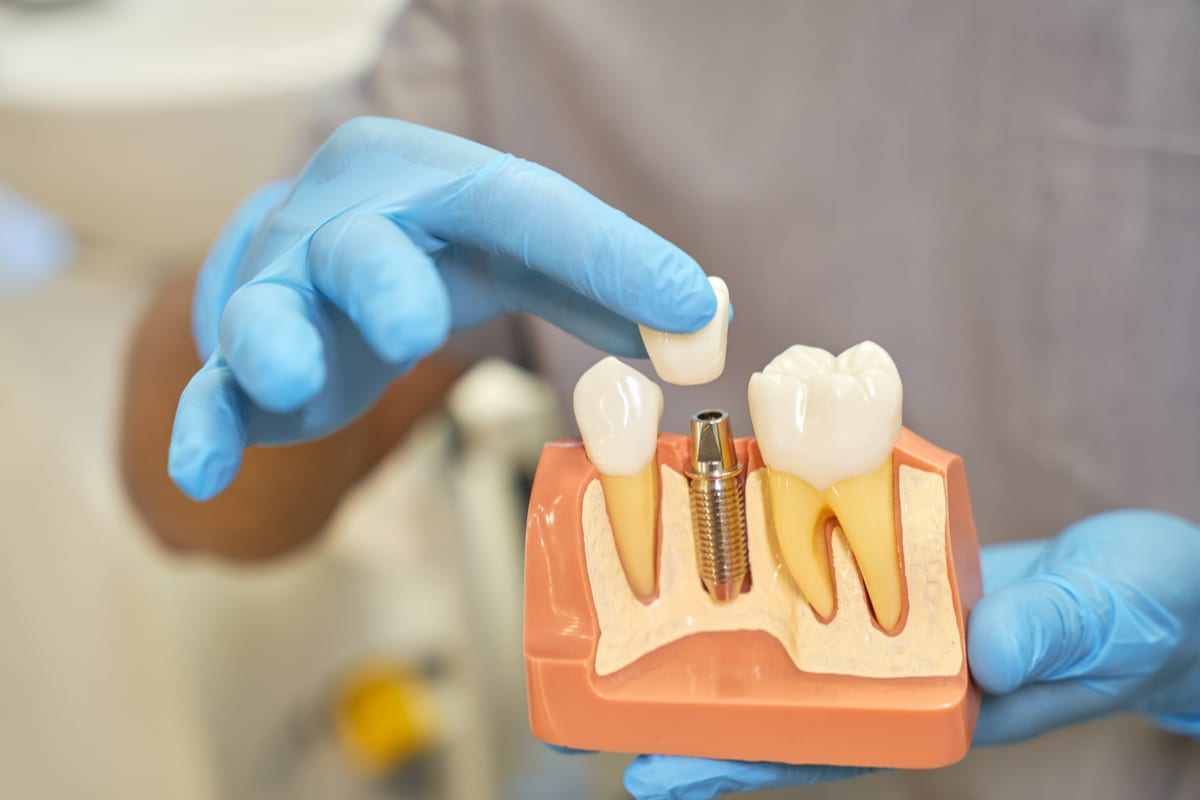
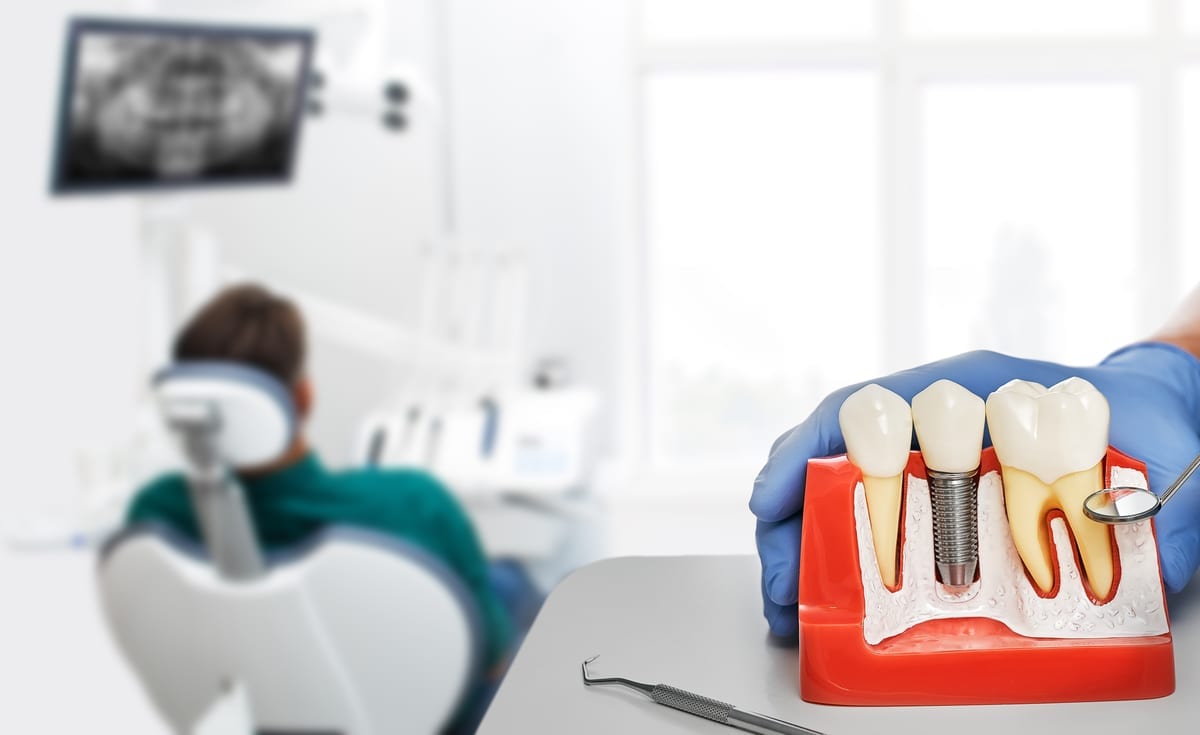
Dental implants offer a way to break that cycle. Implant posts are placed directly into the jawbone, mimicking the role of a natural tooth root. This stimulation helps preserve bone density and prevents further resorption. Implant-supported dentures and bridges provide a much more stable and lasting solution for many patients.
Implants are not the right fit for everyone. Bone volume, overall health, and personal goals all factor into the decision. Dr. Le can evaluate your specific situation and explain whether implants are a suitable option for you. This conversation is worth having if you are tired of dealing with ongoing denture fit issues.
What to Expect at Your Denture Evaluation in Fort Worth
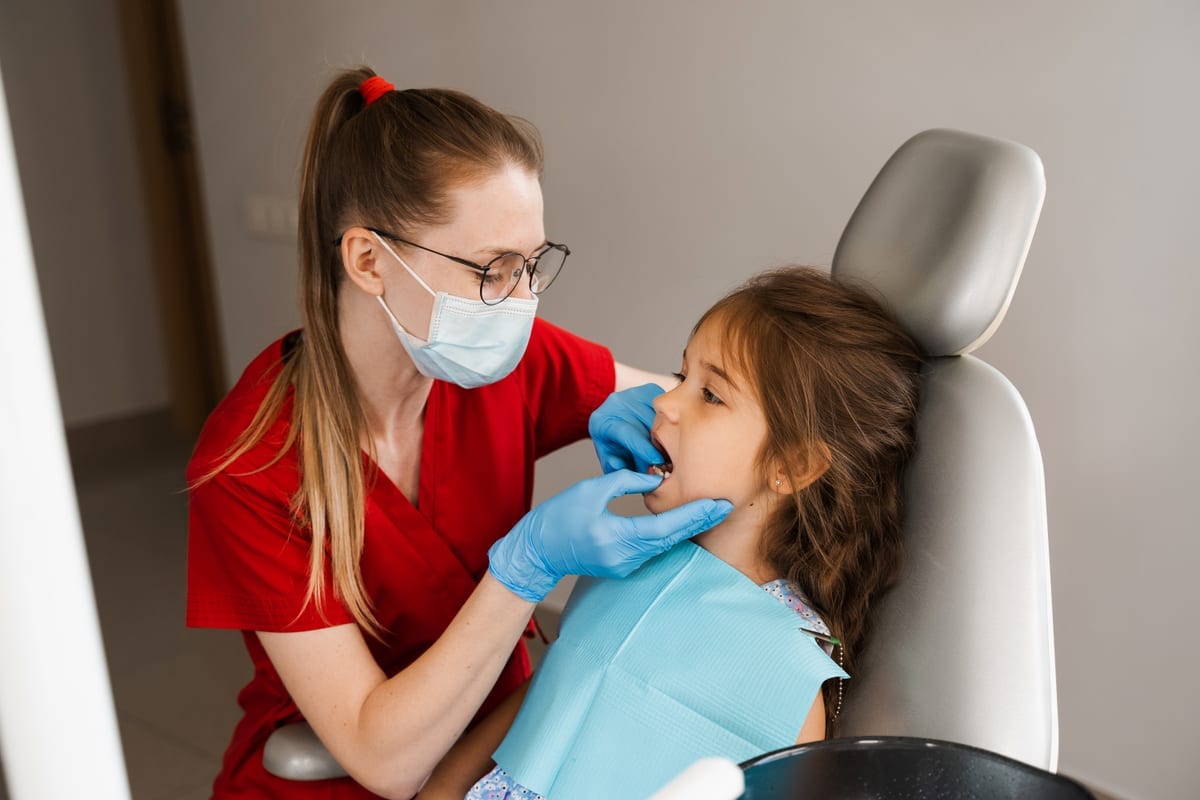
At Flossophy Dental Studio, a denture evaluation is thorough and patient-focused. Dr. Le will examine how your current dentures fit against your gum tissue and bone. He will also assess the overall condition of the denture materials themselves.
Here is what a typical evaluation visit looks like:
- A review of your dental and medical history
- A visual and hands-on fit assessment of your current dentures
- Digital or physical impressions of your jaw if adjustments are needed
- A clear explanation of your options with honest guidance on next steps
- A personalized treatment plan based on your specific bone structure and goals
The goal is never to push unnecessary treatment. The goal is to help you eat, speak, and smile comfortably. Dr. Le takes the time to explain each option clearly so you can make an informed decision that fits your life.
It is also worth knowing that certain situations require urgent attention. If your denture breaks, causes severe pain, or suddenly becomes unwearable, that qualifies as a dental emergency. In those cases, reaching out for Emergency Dentistry Fort Worth services right away is the right move. Fast care prevents further injury to your gum tissue and bone.
For patients also interested in improving the appearance of their smile beyond function, options like Cosmetic Dentistry Fort Worth services can complement denture work beautifully. Achieving a natural-looking result is absolutely possible with today’s dental technology.
Conclusion
Understanding why your dentures stop fitting and what to do next in Fort Worth puts you in control of your oral health. Bone resorption is natural, but its effects on your denture fit are manageable. Whether you need a simple reline, a full replacement, or want to explore implant options, help is available. Dr. Matthew Le and the team at Flossophy Dental Studio are ready to guide you every step of the way. Book Now to schedule your appointment with our team.
Frequently Asked Questions
How quickly does bone resorption affect denture fit?
Bone resorption begins soon after tooth loss and progresses gradually. Most patients notice a meaningful change in denture fit within two to five years. Regular dental check-ups help catch fit issues early before they become significant problems.
Can I use denture adhesive instead of getting my dentures relined?
Denture adhesive can provide temporary relief for minor looseness. However, it is not a substitute for proper professional adjustment. Using adhesive long-term to compensate for a poor fit may mask ongoing bone changes and delay necessary treatment.
How often should dentures be professionally evaluated?
Dentists generally recommend a professional denture evaluation at least once a year. Even if your dentures feel comfortable, subtle bone changes can affect fit and function over time. Regular visits allow Dr. Le to catch and address issues early.
What is the difference between a denture reline and a rebase?
A reline adds new material to the tissue side of an existing denture base to improve the fit. A rebase replaces the entire acrylic base while keeping the existing artificial teeth. Both procedures refresh the fit without requiring a completely new denture.
Are implant-supported dentures worth considering for Fort Worth patients?
Implant-supported dentures offer significantly better stability and help preserve jawbone over time. They are an excellent long-term investment for patients who qualify. Dr. Matthew Le can assess your bone volume and overall health to determine if this option is right for you.