$29 Emergency Exam - Walk-Ins Welcome - Same-Day Dental Appointments Available


Your teeth change after 60 in ways that can catch you off guard. What senior smile care looks like in Fort Worth is quite different from what it looked like at 30. Gums recede. Medications cause dry mouth. Root surfaces become vulnerable. Understanding these changes helps you stay ahead of serious problems. At Flossophy Dental Studio, Dr. Matthew Le works with older adults every day to protect and restore their smiles.
Why Your Oral Health Shifts After Age 60
Aging affects every part of the body — including your mouth. Bone density decreases. Gum tissue pulls back from teeth over time. These changes create new hiding spots for bacteria and decay.
Many seniors take multiple daily medications. A very common side effect is dry mouth, also called xerostomia. Saliva is your mouth’s natural defense against bacteria. Without enough of it, cavities and gum infections develop faster.
Root surfaces are softer than enamel. As gums recede, those surfaces become exposed. Root decay is one of the most common dental problems adults over 60 face. It progresses quickly and is often painless until it becomes serious.
- Reduced saliva production from medications
- Gum recession exposing soft root surfaces
- Decreased bone density affecting jaw support
- Higher risk of fungal infections like oral thrush
- Worn enamel from decades of use
Managing Dry Mouth and Gum Recession in Fort Worth Seniors
Dry mouth is not just uncomfortable — it is a serious oral health risk. Seniors in Fort Worth dealing with dry mouth should drink water consistently throughout the day. Sugar-free gum or lozenges with xylitol can also stimulate saliva flow.
Prescription-strength fluoride treatments play a big role in protecting exposed root surfaces. Dr. Matthew Le may recommend a custom fluoride tray for home use. This targets the areas most vulnerable to root decay.
Gum recession treatment depends on its severity. Mild recession can be managed with careful brushing technique and professional cleanings. More advanced cases may require a referral for a gum graft procedure.
Your toothbrush matters more than you think after 60. A soft-bristled brush and a non-abrasive toothpaste protect sensitive gum tissue. Electric toothbrushes can make brushing easier for patients with arthritis or limited hand strength.
Restorative Options: Dentures, Implants, and What Works Best
Many seniors in Fort Worth are either living with dentures or considering them. Traditional dentures are removable and can restore basic chewing function. However, they do not stop bone loss in the jaw.
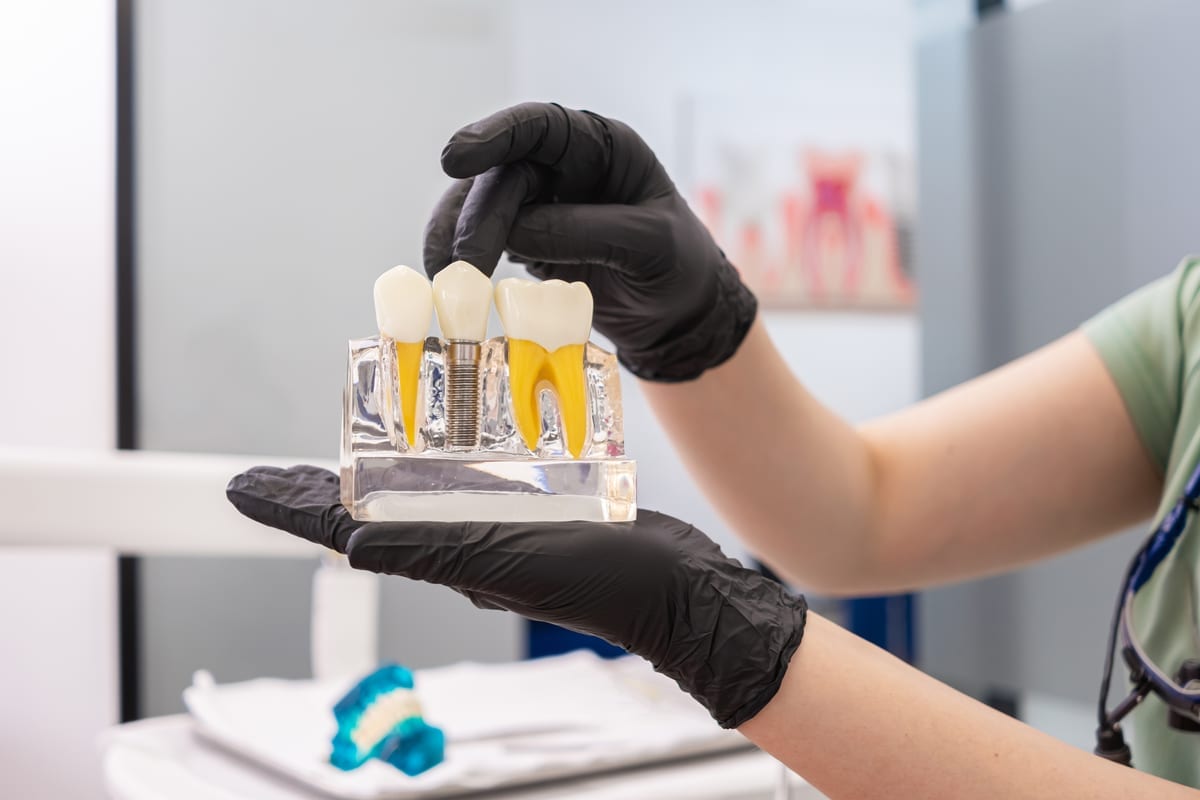
Dental implants are a stronger long-term solution for most patients. They fuse with the jawbone and function like natural teeth. Bone loss slows significantly once an implant is in place.
Not every patient is an immediate implant candidate. Dr. Matthew Le evaluates bone density, overall health, and healing ability before recommending implants. Some patients benefit from bone grafting first to create a solid foundation.
- Implants preserve jawbone and facial structure
- Dentures are removable and require daily cleaning
- Implant-supported dentures combine stability with removability
- Bridges replace one or more teeth without implant surgery
- Each option has different timelines and healing requirements
If a tooth becomes severely infected or broken beyond repair, extraction may be necessary. Prompt replacement planning prevents the surrounding teeth from shifting. A missing tooth left untreated accelerates bone loss in that area.
When to Seek Emergency Dentistry After 60
Dental emergencies happen at any age, but seniors face unique risks. A cracked tooth, sudden abscess, or broken denture can disrupt eating and daily life quickly. Knowing when to act fast matters.
Seniors with heart conditions, diabetes, or compromised immune systems must treat dental infections urgently. An untreated oral infection can spread and become life-threatening. Never wait out pain or swelling without calling your dentist first.
If you or a loved one experiences a dental emergency in Fort Worth, Emergency Dentistry Fort Worth at Flossophy Dental Studio is available to help. Dr. Le and the team prioritize urgent cases and get patients seen quickly. Fast treatment protects your overall health and saves your smile.
Cosmetic Dentistry and Confidence After 60
Looking good and feeling confident does not have an age limit. Many seniors in Fort Worth choose cosmetic treatments to refresh their smiles. Teeth naturally darken and yellow with age — that is completely reversible.
Professional teeth whitening is safe and effective for older adults. Veneers can cover cracks, chips, and deep staining. Both treatments can dramatically change how you feel when you smile.
If you are curious about aesthetic improvements, explore Cosmetic Dentistry Fort Worth services at Flossophy Dental Studio. Dr. Le takes a conservative, patient-focused approach. The goal is always to enhance your natural smile without over-treating.
Building a Senior Dental Care Routine That Works
Consistency is the most powerful tool in protecting your smile after 60. Routine professional cleanings every six months — or more frequently if you have gum disease — make a real difference. Your dentist can catch problems before they become painful or expensive.
At home, brush twice daily with fluoride toothpaste. Floss once a day, or use an interdental brush if flossing is difficult. An antibacterial mouthwash adds an extra layer of protection against gum infections.
Stay hydrated, limit sugary foods, and avoid tobacco products. These habits directly affect how quickly decay and gum disease progress. Small, consistent choices protect your smile for decades to come.
Regular dental visits also let Dr. Le screen for oral cancer, which becomes more common after age 60. Early detection dramatically improves treatment outcomes. Do not skip your checkups just because your teeth feel fine.
Conclusion: Your Smile Deserves Expert Care at Every Age
Dental care after 60 requires a more targeted approach than it did in your younger years. From managing dry mouth to evaluating implant candidacy, the details matter. Dr. Matthew Le and the team at Flossophy Dental Studio in Fort Worth, TX are here to guide you through every stage of your oral health journey. Book Now to schedule your appointment with our team.
Frequently Asked Questions
Why do I get more cavities now that I am older?
As you age, gum recession exposes root surfaces that are softer and more decay-prone than enamel. Many seniors also experience dry mouth from medications, which reduces saliva that normally fights bacteria. These two factors together significantly increase cavity risk after 60.
Are dental implants safe for seniors over 70?
Age alone does not disqualify someone from receiving dental implants. Dr. Matthew Le evaluates bone density, overall health, and healing capacity to determine candidacy. Many patients in their 70s and 80s are excellent implant candidates and enjoy great long-term results.
How often should seniors visit the dentist?
Most seniors benefit from dental checkups every six months. Patients with active gum disease, dry mouth, or a history of frequent cavities may need visits every three to four months. Your dentist will recommend the schedule that best fits your personal needs.
What can I do about dry mouth caused by my medications?
Drink plenty of water throughout the day and use sugar-free xylitol gum or lozenges to stimulate saliva. Your dentist may also recommend a prescription fluoride treatment to protect your teeth from the increased decay risk. Never stop or change a medication without consulting your physician first.
Can teeth whitening work on older teeth that are deeply stained?
Professional teeth whitening can effectively lighten age-related yellowing and staining. For very deep or intrinsic stains, veneers may provide a more complete result. Dr. Le will assess your specific situation and recommend the option that gives you the best outcome.