$29 Emergency Exam - Walk-Ins Welcome - Same-Day Dental Appointments Available

If you’ve invested in a full-mouth restoration, one question stays top of mind: how long will these results actually last? Patients across Fort Worth ask Dr. Matthew Le this exact question every week. Full-mouth restoration results in Fort Worth can last anywhere from 5 to 25 years — depending on several key factors. Understanding those factors helps you protect your investment and keep your smile looking its best.
A full-mouth restoration combines multiple dental treatments into one comprehensive plan. It may include dental implants, crowns, veneers, bridges, and more. Each component has its own lifespan. How well those components hold up depends on the materials used, your oral hygiene habits, and the quality of ongoing care you receive.
What Affects How Long Full-Mouth Restoration Results Last in Fort Worth
Not all restorations age the same way. Several variables directly influence how long your results hold up. Some factors are within your control. Others depend on biology and lifestyle choices.
Here are the most common factors that shorten restoration lifespan:
- Grinding or clenching your teeth (bruxism)
- Skipping routine dental visits
- Poor brushing and flossing habits
- Smoking or using tobacco products
- Eating hard or sticky foods frequently
- Untreated gum disease
Bruxism is one of the biggest threats to restorations. Grinding places enormous pressure on crowns, veneers, and implant components. A custom nightguard can significantly extend the life of your work. Ask Dr. Le whether you need one as part of your restoration plan.
Gum disease is equally damaging. Implants especially depend on healthy bone and gum tissue for long-term stability. Letting gum disease go untreated puts the entire restoration at risk. Prevention is always easier — and less costly — than replacement.
Expected Lifespan by Restoration Type
Different components within a full-mouth restoration have different durability ranges. Knowing what to expect from each piece helps you plan ahead. It also motivates smarter daily habits when you understand what’s at stake.
Here’s a general breakdown of lifespan by treatment type:
- Dental implants: 15–25+ years with proper care
- Porcelain crowns: 10–15 years on average
- Dental veneers: 10–20 years depending on material
- Tooth-supported bridges: 10–15 years
- Composite bonding: 5–10 years
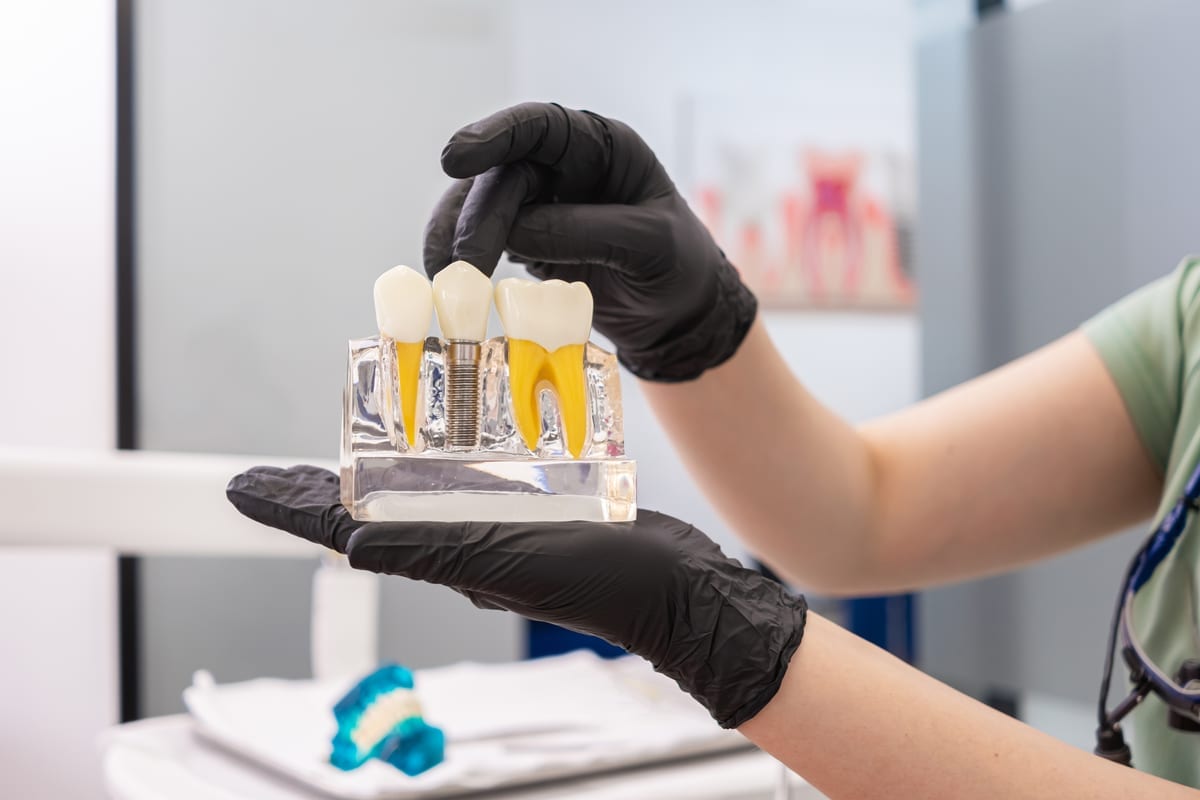
Dental implants tend to last the longest. The titanium post fuses with your jawbone and becomes a permanent part of your anatomy. The crown placed on top may need replacement after 15 years or so. The implant itself, however, can last a lifetime with proper maintenance.
Veneers made from porcelain are more durable than composite options. They resist staining better and maintain their appearance longer. However, porcelain veneers can still chip or crack under excessive force. Protecting them from impact and pressure is essential.
How Fort Worth Patients Can Extend Their Restoration Results
You have more control over longevity than you might think. Small daily habits add up to big differences over a decade. Fort Worth patients who follow a consistent care routine consistently get more years from their restorations.
Start with the basics. Brush twice daily with a soft-bristled toothbrush. Floss once a day, paying close attention to restoration margins. Use a non-abrasive toothpaste to avoid scratching porcelain surfaces. Electric toothbrushes can improve plaque removal without extra effort.
Dietary choices matter more after a full-mouth restoration. Avoid biting hard objects like ice, pen caps, or popcorn kernels. Limit acidic drinks like soda and citrus juices. These erode natural enamel and can weaken restoration edges over time. Drinking water throughout the day helps neutralize acids in the mouth.
Wearing a nightguard if you grind your teeth is non-negotiable. Even mild grinding can crack porcelain within a few years. A custom-fitted guard from Flossophy Dental Studio provides protection that over-the-counter options simply can’t match. It’s a small investment with a large return.
The Role of Ongoing Maintenance and Regular Dental Visits
Routine visits are the backbone of restoration longevity. Dr. Le recommends professional cleanings and check-ups every six months for most restored patients. Some patients may need more frequent visits depending on their gum health or restoration complexity.
During each visit, Dr. Le evaluates every component of your restoration. He checks for signs of wear, chips, shifting, or gum recession. Catching small issues early prevents costly repairs down the road. Think of these appointments as scheduled maintenance for your smile.
Professional cleanings also remove tartar buildup that home care misses. Buildup around implant bases and crown margins leads to inflammation. Inflammation is the first step toward gum disease and bone loss. Consistent cleanings keep that process from starting.
If you ever experience sudden pain, sensitivity, or a loose component, don’t wait for your next scheduled visit. Contact Flossophy Dental Studio right away. Prompt attention can often save a restoration that would otherwise fail. Emergency Dentistry Fort Worth services are available for exactly these situations.
When It’s Time to Refresh or Replace Part of Your Restoration
Even with excellent care, some components will eventually need updating. That’s completely normal. The goal is to maximize the time between replacements, not to avoid them forever.
Signs that a component may need attention include:
- Visible cracks or chips in crowns or veneers
- Increased tooth sensitivity around a restored area
- Darkening or discoloration at restoration margins
- Loosening or movement of a crown or bridge
- Gum recession exposing the base of an implant or crown
Addressing these signs early usually means a simpler, less expensive fix. Ignoring them often leads to more extensive work. Dr. Le will always give you a clear, honest assessment of what’s needed and why.
Some patients also choose to refresh their smile aesthetics even when restorations are structurally sound. Teeth whitening or updated veneers can bring renewed brightness to an aging restoration. Explore your options through Cosmetic Dentistry Fort Worth services at Flossophy Dental Studio.
Conclusion: Protecting Your Investment in Fort Worth
A full-mouth restoration is one of the most transformative investments you can make in your health and confidence. With the right habits and consistent professional care, your results can last well beyond the average estimates. Dr. Matthew Le and the team at Flossophy Dental Studio are committed to helping Fort Worth patients get the most from every restoration. Book Now to schedule your appointment with our team.
Frequently Asked Questions
How long does a full-mouth restoration typically last?
The lifespan varies by component. Dental implants can last 25 years or more. Porcelain crowns and veneers typically last 10–20 years. Composite bonding may need refreshing after 5–10 years. Good oral hygiene and regular dental visits extend all of these timelines.
What is the biggest threat to restoration longevity?
Teeth grinding, also called bruxism, is one of the most damaging habits for restorations. It creates excessive pressure that cracks porcelain and loosens implant components. A custom nightguard significantly reduces this risk. Untreated gum disease is an equally serious threat.
How often should I visit the dentist after a full-mouth restoration?
Most patients benefit from professional cleanings and evaluations every six months. However, patients with a history of gum disease or complex restorations may need more frequent visits. Dr. Le will recommend a schedule based on your specific needs.
Can I whiten my teeth after a full-mouth restoration?
Whitening treatments affect natural tooth structure but do not change the color of crowns, veneers, or implants. If your natural teeth shift in shade, your restorations may look mismatched. Talk to Dr. Le before whitening to understand how it might affect your overall smile appearance.
What should I do if part of my restoration feels loose or painful?
Contact Flossophy Dental Studio as soon as possible. A loose or painful component is a sign that something needs prompt attention. Waiting can turn a minor fix into a major repair. Emergency dental appointments are available for urgent restoration concerns.