$29 Emergency Exam - Walk-Ins Welcome - Same-Day Dental Appointments Available


If you live with frequent headaches, you may have tried everything to find relief. You might have blamed stress, dehydration, or too much screen time. But could your jaw problems be causing your chronic headaches in Fort Worth? The answer might surprise you — and it starts with understanding your jaw joint.
Many Fort Worth residents suffer from headaches that never seem to fully go away. They visit their doctor, try medications, and still struggle. What they often never consider is that their temporomandibular joint — the TMJ — could be the root cause of all that pain.
What Is TMJ and Why Does It Cause Headaches in Fort Worth Patients?
The temporomandibular joint connects your lower jaw to your skull. It works like a sliding hinge on both sides of your face. This joint is involved in nearly every jaw movement — chewing, talking, and yawning. When something goes wrong here, the effects can ripple far beyond your mouth.
TMJ disorders, often called TMD, affect the muscles and joints around the jaw. When these structures become strained or misaligned, they create tension. That tension travels upward through the muscles of your face and head. The result is often a persistent, dull headache — or even a full migraine.
Many patients are shocked to learn that their recurring headaches are jaw-related. The symptoms can feel identical to tension headaches or migraines. This makes TMJ disorders one of the most commonly missed causes of chronic head pain.
Common Signs That Your Jaw Could Be Causing Your Headaches
It helps to recognize the warning signs of a TMJ problem. These symptoms often appear alongside chronic headaches. If you notice several of these together, your jaw deserves a closer look.
- Morning headaches that feel worse right after waking up
- Jaw soreness, stiffness, or clicking when you open or close your mouth
- Pain near your temples or behind your eyes
- Neck and shoulder tension that does not improve with rest
- Difficulty chewing or a feeling that your bite is uneven
- Teeth grinding or clenching, especially during sleep
- Earaches or a ringing sensation in the ears
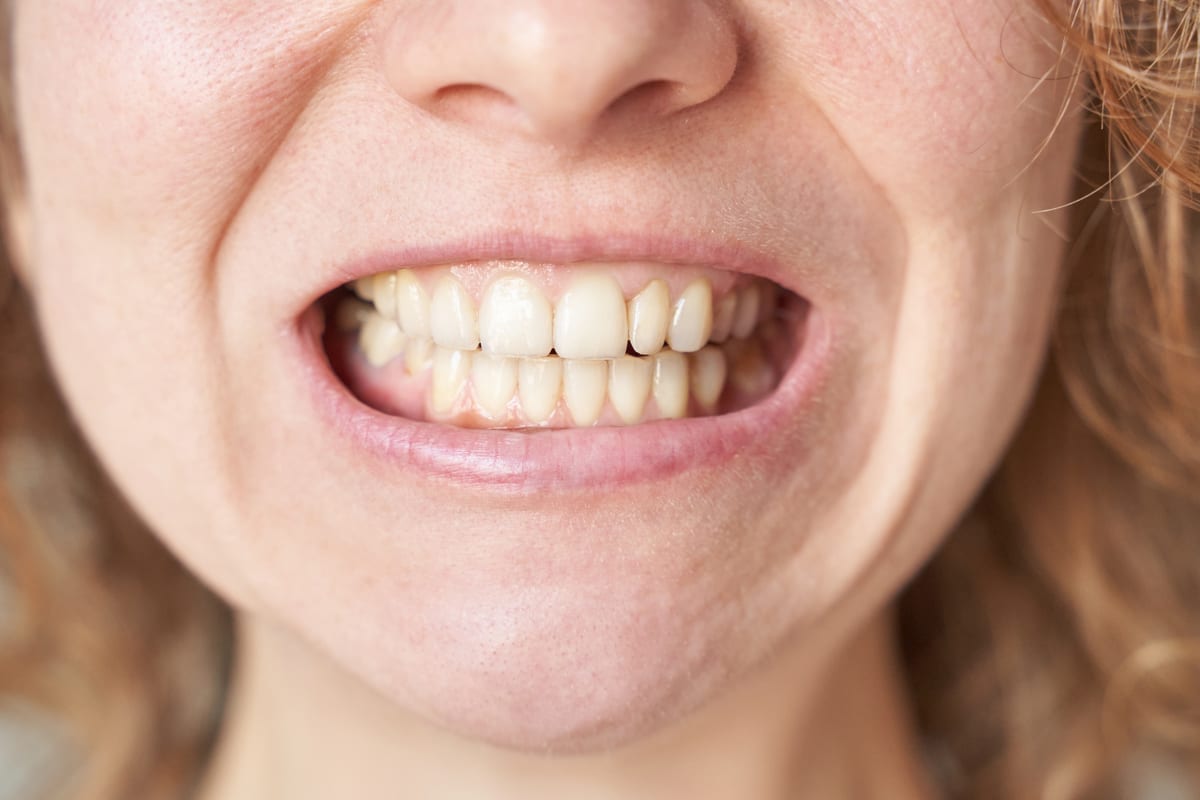
Teeth grinding — called bruxism — is one of the biggest contributors to TMJ-related headaches. Most people grind their teeth at night without knowing it. The constant pressure overworks the jaw muscles and triggers pain that feels like a headache by morning.
If you wake up with a sore jaw and a pounding head, bruxism and TMJ dysfunction may both be involved. A dental evaluation can help confirm what is actually happening.
How a Dentist in Fort Worth Can Help Diagnose TMJ Disorders
You might not think of visiting a dentist for headaches. But dentists are trained to evaluate the jaw joint, bite alignment, and surrounding muscle groups. Dr. Matthew Le at Flossophy Dental Studio takes a comprehensive approach to diagnosing TMJ issues.
During your visit, Dr. Le will assess your bite, examine your jaw movement, and look for signs of grinding or clenching. He may also review your symptoms in detail to understand the pattern of your headaches. This helps rule out other causes and pinpoint TMJ dysfunction as the likely culprit.
Early diagnosis matters. The longer TMJ disorders go untreated, the more chronic the pain becomes. Identifying jaw-related headaches early can prevent months or even years of unnecessary suffering.
If you experience a sudden flare-up of severe jaw pain alongside your headaches, do not wait. Seeking Emergency Dentistry Fort Worth care can provide fast relief and prevent further damage to the joint.
Treatment Options That Address Jaw Problems and Chronic Head Pain
The good news is that TMJ disorders are treatable. There are several effective approaches that can reduce or eliminate TMJ-related headaches. Treatment depends on the severity of your symptoms and the underlying cause.
- Custom night guards: A custom-fitted oral appliance prevents grinding and cushions the jaw joint during sleep
- Bite correction: Adjusting misaligned teeth can relieve the uneven pressure that strains the jaw
- Orthodontic treatment: Straightening the teeth can improve bite alignment and reduce jaw tension over time
- Jaw exercises and physical therapy: Targeted exercises stretch and relax the muscles around the joint
- Stress management techniques: Reducing stress can lower clenching habits that aggravate TMJ symptoms
- Anti-inflammatory care: Warm compresses and guided dental care can reduce inflammation in the joint
Night guards are often the first line of treatment for bruxism-related TMJ disorders. They are simple, non-invasive, and highly effective for many patients. Dr. Le custom-fits each guard to ensure maximum comfort and protection.
In some cases, the appearance of worn or damaged teeth may also need to be addressed. Grinding can cause serious enamel damage over time. Cosmetic Dentistry Fort Worth solutions like veneers or bonding can restore the look and strength of affected teeth.
When to Stop Blaming Stress and Start Checking Your Jaw
It is easy to chalk up chronic headaches to a busy lifestyle. Fort Worth is a vibrant, fast-paced city — and stress is real. But stress alone rarely causes the specific pattern of pain that comes with TMJ dysfunction.
If your headaches are frequent and seem worse in the morning, your jaw is worth investigating. If over-the-counter pain relief only works temporarily, that is another clue. Recurring headaches that do not respond to standard treatments deserve a dental evaluation.
Do not continue suffering without exploring all possible causes. A simple dental visit could reveal the missing piece of the puzzle. Many patients find significant relief once their TMJ disorder is properly treated.
Dr. Matthew Le and the team at Flossophy Dental Studio are here to help Fort Worth patients connect the dots between jaw health and overall wellbeing. You deserve to wake up without a headache. Book Now to schedule your appointment with our team.
Frequently Asked Questions
Can a jaw problem really cause chronic headaches?
Yes, absolutely. The temporomandibular joint sits very close to the muscles and nerves that run through your head and neck. When the jaw joint is stressed or misaligned, it creates tension that radiates upward and causes headaches. This is a well-recognized pattern in dentistry and is often missed by general physicians.
How do I know if my headaches are from TMJ or something else?
TMJ-related headaches often come with other jaw symptoms — like clicking, soreness, or a tight jaw in the morning. They tend to be worse upon waking and may be accompanied by neck or shoulder tension. A dental evaluation with Dr. Le can help determine whether your jaw is involved.
Is TMJ treatment painful or invasive?
Most TMJ treatments are non-invasive and comfortable. Night guards are the most common first step — they are custom-fitted and worn during sleep. More involved treatments are only recommended when conservative options are not enough. Dr. Le always starts with the gentlest, most effective approach for each patient.
How long does it take to see improvement after TMJ treatment begins?
Many patients notice improvement within a few weeks of starting treatment. Results vary depending on the severity of the disorder and the type of treatment used. Consistent use of a night guard and following Dr. Le’s guidance can lead to meaningful relief in a relatively short time.
Do I need a referral to see a dentist for TMJ-related headaches in Fort Worth?
No referral is needed. You can contact Flossophy Dental Studio directly to schedule a consultation with Dr. Matthew Le. He will evaluate your jaw, review your symptoms, and recommend the most appropriate treatment plan for your specific situation.