Services

Tooth Extractions in Fort Worth, Texas

Comfortable, carefully planned extractions from a Fort Worth team that explains every step and protects your healthy smile afterward.

A Painful or Damaged Tooth Doesn't Have to Linger

A tooth that's cracked beyond repair, badly decayed, or crowding your jaw can affect far more than the spot where it sits. The discomfort radiates to nearby teeth, chewing becomes something you avoid on one side of your mouth, and sleep suffers when a flare-up hits overnight. At Flossophy Dental Studio, we see patients across Fort Worth who have put off dealing with a problem tooth because the idea of an extraction feels bigger than it needs to be.

Removing a tooth is sometimes the healthiest path forward, whether it's a severely fractured molar, a wisdom tooth pressing into its neighbors, or a baby tooth that won't release on its own. Our team takes time to confirm extraction is genuinely the right call before anything else, reviewing your x-rays, your bite, and your long-term oral health goals together with you. We'd rather talk through alternatives like a root canal or crown when they make sense than rush to pull a tooth that could be saved.

When extraction is the right decision, our focus shifts to making the appointment as calm and comfortable as possible, with thorough numbing, a gentle technique, and a clear plan for healing and replacement options afterward. You'll leave understanding exactly what to expect, not wondering what happens next.

Schedule a Consultation
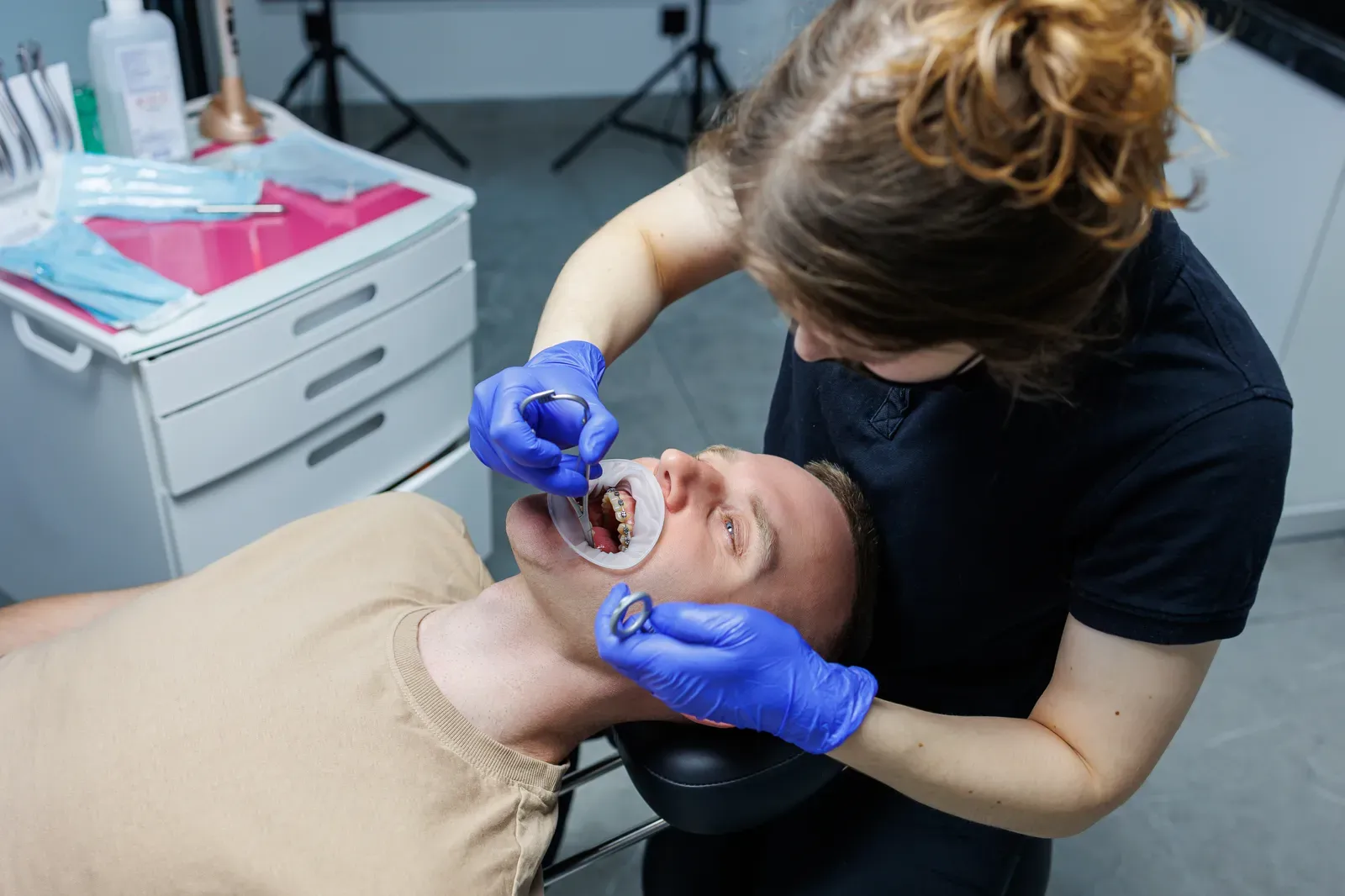
Photo related to tooth extractions

What Relief Can Look Like

A well-planned extraction does more than remove a source of pain. It resolves the underlying problem so infection can't spread, your bite can settle into a healthier pattern, and you can move forward with a clear plan for what fills the space, if anything needs to.

End to Persistent Pain

Once a severely infected or fractured tooth is removed, the throbbing, pressure, or sharp pain tied to it typically resolves within days. Many patients tell us they didn't realize how much the discomfort had been wearing on them until it was gone.

Stopped Infection Spread

An abscessed or badly decayed tooth can send bacteria into surrounding bone and tissue if it's left in place. Removing it closes off that pathway and protects neighboring teeth and your overall health.

Relief From Crowding and Pressure

Impacted wisdom teeth or extra crowded teeth often push on neighboring roots, causing dull aching and shifting. Extraction relieves that pressure, often easing headaches and jaw tension patients didn't connect to their teeth.

A Clear Path to Restoration

We walk through replacement options, such as an implant, bridge, or partial denture, before the extraction so you know your next step. This keeps your bite stable and prevents nearby teeth from drifting into the gap.

Better Sleep and Daily Comfort

Chronic tooth pain disrupts sleep more than most people expect, especially when lying down increases blood flow and pressure to the area. Removing the problem tooth often means the first full night's rest in weeks.

Easier, More Confident Chewing

Avoiding one side of your mouth because of a damaged tooth puts uneven strain on your jaw joint over time. Once the tooth is gone and healing is underway, chewing becomes even and comfortable again.

A Healthier Foundation for Orthodontics

In some cases, extraction creates the space needed for braces or clear aligners to move teeth into proper alignment. This gives orthodontic treatment a cleaner, more predictable outcome.

Protection for Nearby Teeth and Gum Tissue

A tooth that's deteriorating can trap bacteria and food debris against its neighbors, raising the risk of cavities and gum disease nearby. Removing it eliminates that risk and makes the area easier to keep clean.

Signs an Extraction May Be Needed

Not every damaged or painful tooth needs to come out, but certain warning signs point toward extraction being the most reliable solution. These symptoms show up differently depending on the tooth involved and how long the problem has been developing.

Severe, Ongoing Tooth Pain

Deep, constant pain that doesn't respond to over-the-counter medication often signals decay or infection has reached the nerve. This level of pain rarely resolves on its own and needs a clinical evaluation.

Visible Cracks or Fractures

A tooth split below the gumline or fractured into multiple pieces typically can't support a filling or crown. When the structure is too compromised, extraction protects the surrounding bone.

Swelling in the Gums or Face

Swelling near a specific tooth, especially with warmth or tenderness, often points to an abscess. Left untreated, this infection can spread to surrounding tissue and become a more urgent health concern.

Advanced Bone Loss Around a Tooth

When gum disease has destroyed enough bone that a tooth feels loose or shifts when you bite down, saving it becomes difficult. Extraction can stop further bone loss from spreading to nearby teeth.

Impacted Wisdom Teeth

Wisdom teeth that are trapped beneath the gum or angled against neighboring molars often cause recurring pain, swelling, and infection. Many patients need these removed before the problems escalate.

Recurring Infection After Root Canal

If a previously treated tooth keeps developing infection despite root canal therapy, extraction may be the more dependable long-term solution. This prevents repeated cycles of pain and treatment.

Baby Teeth That Won't Release

When a child's permanent tooth is erupting but the baby tooth above it hasn't loosened, extraction helps the adult tooth come in properly aligned. We handle these cases with extra care for younger patients.

Severe Crowding Before Orthodontics

If your mouth doesn't have enough room for all your teeth to align properly, your orthodontist may recommend removing one or two to make space. This is common before braces or aligner treatment begins.

Visible Decay Beyond Repair

Decay that has destroyed most of the visible tooth structure, leaving little for a filling or crown to attach to, usually calls for extraction. We confirm this with a close exam and imaging before recommending removal.

Bad Taste or Odor From One Area

A persistent foul taste or smell localized to one tooth often indicates draining infection. This symptom deserves prompt attention rather than masking with mouthwash.

Because these symptoms often overlap with other dental issues, a thorough evaluation with x-rays is the only reliable way to know whether extraction, a restoration, or another treatment is the right fit. Catching the problem early typically means a simpler procedure and smoother healing.

Understanding What Leads to an Extraction

Most teeth that need to come out didn't get there overnight. A combination of factors usually builds over months or years before extraction becomes the recommended path.

Untreated Tooth Decay

Cavities that go unaddressed slowly destroy more of the tooth's structure, eventually reaching a point where a filling or crown no longer has enough healthy tooth to attach to.

Advanced Gum Disease

Periodontal disease breaks down the bone and ligament that anchor a tooth in place, and once enough support is lost, the tooth becomes too loose to keep.

Trauma or Injury

A sports injury, fall, or accident can fracture a tooth below the gumline or damage its root in ways that can't be reasonably repaired.

Crowded Jaw Anatomy

A jaw that's naturally smaller than the number of teeth it needs to hold often leads to impaction, especially with wisdom teeth that have nowhere to erupt properly.

Failed Previous Treatment

A tooth that has already had a root canal or large restoration can still fail if infection returns or the remaining structure fractures, sometimes leaving extraction as the most dependable option.

Orthodontic Treatment Planning

Some bite and alignment corrections require more room than the mouth currently has, making strategic removal of one or two teeth part of a larger treatment plan.

Delayed Baby Tooth Loss

When a baby tooth doesn't loosen on schedule, it can block the permanent tooth beneath it from erupting in the correct position.

Chronic Grinding and Wear

Years of clenching or grinding can wear a tooth down and weaken it to the point of fracture, particularly when combined with existing decay or old fillings.

From First Exam to a Comfortable Recovery

Every extraction we perform follows a deliberate sequence designed to confirm it's necessary, keep you comfortable during the procedure, and set you up for a smooth recovery afterward.

1

Listening and Consultation

We start by hearing about your symptoms, how long they've been going on, and any concerns you have about the procedure itself. This conversation shapes how we approach your exam and helps us address your questions upfront.

2

Clinical Exam and Imaging

We examine the tooth, surrounding gum tissue, and bone, backed by digital x-rays that show root position and any bone involvement. This lets us confirm extraction is the right call and plan for the tooth's specific shape and roots.

3

Thorough Numbing and Comfort Measures

We take extra time to fully numb the area before starting, checking in to confirm you're comfortable. For more involved extractions, we discuss sedation options so the appointment feels manageable from start to finish.

4

Careful Tooth Removal

Using a gentle, precise technique suited to the tooth's position and root structure, we remove the tooth while minimizing pressure on surrounding bone and gum tissue. Most straightforward extractions take only a short amount of chair time.

5

Clear Aftercare Guidance

Before you leave, we walk through specific instructions for managing swelling, protecting the healing socket, and recognizing anything that warrants a call to our office. You'll also know when to follow up if replacement options are part of your plan.

Why Replacing the Tooth Afterward Matters

An extraction resolves the immediate problem, but the gap it leaves behind has consequences of its own if it goes unaddressed. Neighboring teeth tend to drift toward open space over time, and the tooth in the opposite jaw can gradually shift downward or upward looking for something to bite against. Both of these changes can throw off your bite alignment and eventually make it harder to chew comfortably or keep your teeth clean.

The jawbone itself also responds to tooth loss. Without a tooth root stimulating it, the bone in that area naturally begins to shrink, which can change your facial support and make future replacement options, like an implant, more complex if too much time passes. This is why we talk through replacement options, whether that's a dental implant, bridge, or partial denture, as part of the extraction conversation rather than as an afterthought.

Not every extracted tooth needs immediate replacement; wisdom teeth, for instance, usually don't. But for teeth that play an active role in chewing and bite support, planning ahead protects the rest of your smile from the ripple effects of an empty space left too long.

Supporting Your Recovery at Home

Good healing after an extraction depends heavily on what happens in the days right after your appointment. These habits work alongside our clinical care to help the socket heal cleanly and reduce discomfort.

Protect the Blood Clot

Avoid rinsing forcefully, spitting, or using a straw for the first 24 hours since these actions can dislodge the clot that's essential to proper healing.

Manage Swelling With Cold Therapy

Applying a cold pack to your cheek in short intervals during the first day helps keep swelling down and adds a layer of numbing comfort.

Stick to Soft Foods Initially

Soup, yogurt, and mashed foods give the extraction site a chance to heal without being disturbed by chewing pressure or sharp edges.

Rest and Limit Strenuous Activity

Taking it easy for a day or two keeps blood pressure from rising and reduces the chance of bleeding or clot disruption at the site.

Rinse Gently With Warm Salt Water

Starting the day after your extraction, a gentle warm salt water rinse helps keep the area clean without disturbing healing tissue.

Skip Smoking and Tobacco

Smoking significantly raises the risk of a painful dry socket and slows healing, so avoiding it for at least several days makes a real difference.

These steps support a smooth recovery, but they're not a substitute for professional evaluation if something feels off. If you notice worsening pain, persistent bleeding, or fever, please call our office right away.

Ready to Deal With That Tooth for Good?

If a damaged or infected tooth has been bothering you, waiting rarely makes it easier to treat. Let our Fort Worth team take a look, explain your options clearly, and get you on the path to feeling better.

Visit us in Fort Worth, Texas, or call (817) 555-0192 to speak with our team directly.

Frequently Asked Questions About Tooth Extractions

Here are answers to some of the questions we hear most often from patients considering a tooth extraction in Fort Worth.

Does getting a tooth pulled hurt?

Most patients feel pressure rather than sharp pain during the procedure itself because the area is fully numbed beforehand. Some mild soreness and swelling is normal for a few days afterward, but it's typically well controlled with over-the-counter pain relievers. We also discuss sedation options for patients who feel anxious or are having a more involved extraction.

How long does recovery take after a tooth extraction?

Most of the initial healing happens within the first week, with soreness and swelling noticeably improving after two or three days. Complete bone and gum healing underneath the surface can take several weeks to a few months. We give you a specific recovery timeline based on which tooth was removed and whether the extraction was simple or surgical.

Will I need to replace the extracted tooth?

It depends on which tooth was removed and its role in your bite. Teeth used for chewing, like molars, often benefit from replacement with an implant, bridge, or partial denture to prevent shifting and bone loss. Wisdom teeth, on the other hand, usually don't need to be replaced since they aren't essential for chewing or bite support.

What foods should I eat after an extraction?

Stick to soft, cool, or lukewarm foods for the first day or two, such as yogurt, mashed potatoes, smoothies without a straw, and soup once it's cooled. Avoid hard, crunchy, spicy, or very hot foods until the area feels less tender. Gradually reintroduce your normal diet as healing progresses, usually within a week.

What is dry socket and how do I avoid it?

Dry socket happens when the blood clot protecting the extraction site is dislodged or dissolves too early, exposing bone and nerve endings. It causes sharp, radiating pain usually a few days after the procedure. Avoiding straws, smoking, and vigorous rinsing in the first 24 hours significantly lowers the risk, and we'll walk you through all the precautions.

How do I know if my wisdom teeth need to come out?

Signs include recurring pain or swelling near the back of your jaw, difficulty opening your mouth fully, or teeth shifting out of alignment. X-rays let us see whether your wisdom teeth are impacted, angled against other teeth, or likely to cause problems as they try to erupt. Not every wisdom tooth needs removal, which is why imaging and an exam are the best way to decide.

Can I go back to work or school the same day?

Many patients return to light, desk-based activities the following day, though we recommend resting for the remainder of the day of the procedure. If sedation was used, you'll need someone to drive you home and should plan to take the rest of that day off. More involved surgical extractions may call for an extra day or two of rest.

Is a tooth extraction always the best option?

Not always. We review every option, including root canals, crowns, and other restorative treatments, before recommending extraction. When a tooth can realistically be saved and restored to healthy function, we'll always discuss that path with you first and let you weigh in on the decision.


We are open on Saturdays at our Haltom City office, 8:00am to 2:00pm

Open Saturdays